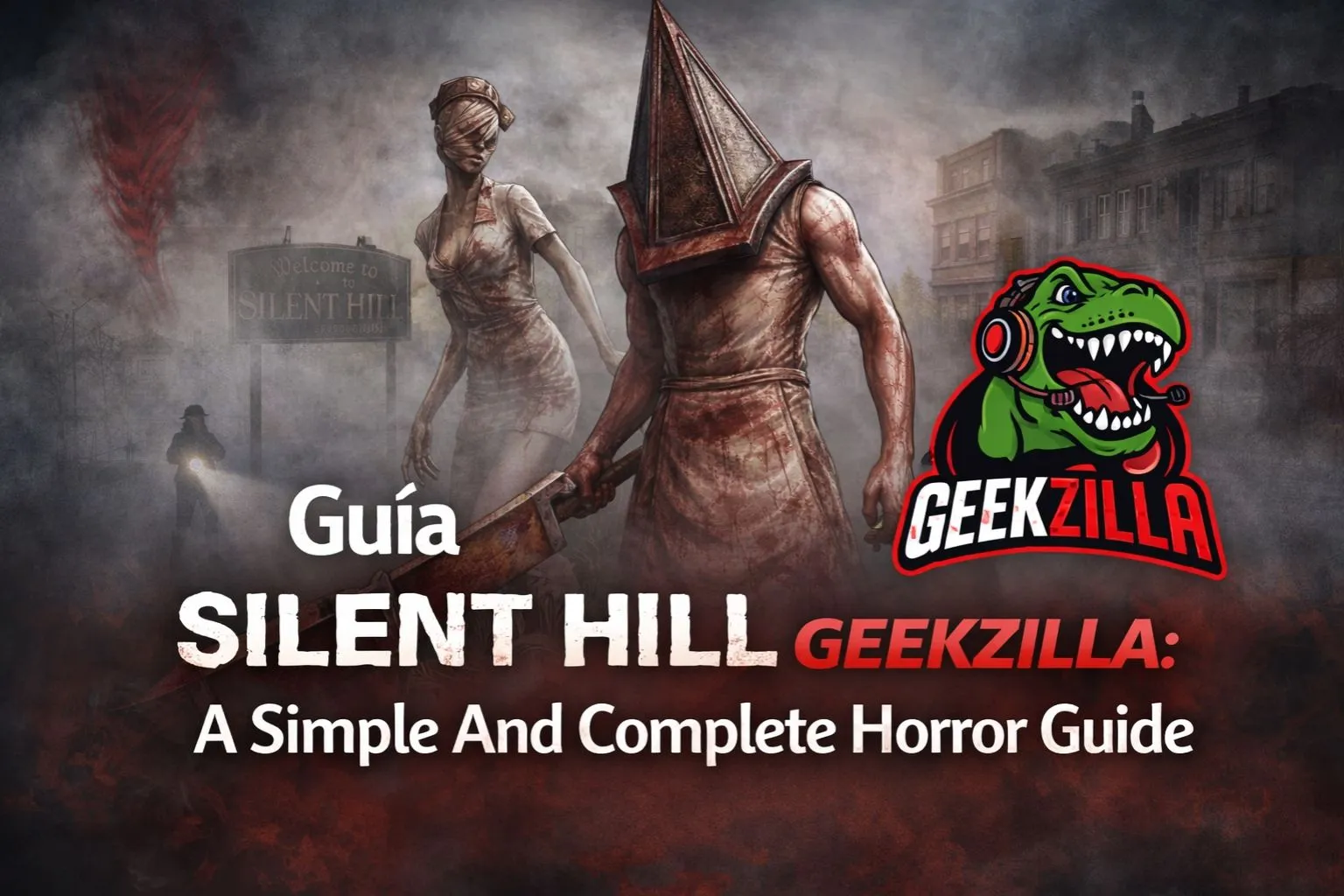
Introduction: The Essential Guide to Silent Hill for Horror Game Enthusiasts
The Silent Hill franchise is more than just a series of video games; it is a profound exploration of fear, trauma, and the human psyche. Whether you’re a seasoned player navigating the foggy streets or a newcomer intrigued by its psychological depths, this comprehensive guide serves as your ultimate companion in understanding one of gaming’s most iconic series. Prepare to delve into the chilling lore, characters, and environments that have captivated generations of players.
Since its inception in 1999, Silent Hill has set a precedent for psychological horror, shifting the focus from mere jump scares to a more profound emotional experience. This guide will unravel the intricate layers of the franchise, offering insights into its characters, locations, and the underlying themes that make Silent Hill unique.
The Distinctive Nature of Silent Hill: A Departure from Conventional Horror
Psychological Horror vs. Traditional Scares
Silent Hill redefined the horror genre by embracing psychological manipulation as its core gameplay element. Unlike traditional horror games that rely heavily on visual gore or cheap scares, Silent Hill delves into the darker corners of the human mind, exploring themes such as guilt, trauma, and the lingering effects of past experiences.
The franchise excels in using symbolism and metaphor to give voice to internal struggles. Each monster, location, and sound serves a purpose, transforming what could be a mere game into a deeply personal journey for players.
The Atmosphere: A Character in Itself
One of Silent Hill’s most significant strengths is its atmospheric storytelling. The omnipresent fog isn’t merely a visual effect; it symbolizes uncertainty and the unknown aspects of human consciousness. The unsettling sound of radio static not only indicates the presence of danger but also heightens the sense of dread and anxiety, tapping into primal fears that resonate with every player.
The town of Silent Hill is as much a character as any of the protagonists, shifting between reality and the haunting “Otherworld,” a reflection of the psychological turmoil experienced by its visitors.
A Comprehensive Guide to Silent Hill Games: From Classics to New Entrants
Must-Play Silent Hill Titles
For anyone venturing into the eerie world of Silent Hill, certain titles are essential:
- Silent Hill (1999) – The entry point into the franchise, following Harry Mason as he searches for his adopted daughter in a town shrouded in fog and horror.
- Silent Hill 2 (2001) – Often hailed as the pinnacle of the series, this installment focuses on James Sunderland’s emotional journey to uncover the truth about his deceased wife, Mary.
- Silent Hill 3 (2003) – A direct sequel to the original, featuring Heather Mason as she confronts her own past and the cult’s sinister plans.
- Silent Hill 4: The Room (2004) – This entry diverges from the typical formula, offering a claustrophobic horror experience centered around Walter Sullivan.
- Silent Hill: Downpour (2012) – Introduces a new protagonist, Murphy Pendleton, navigating through themes of punishment and redemption.
- Silent Hill: Shattered Memories (2009) – A reimagining of the first game, utilizing innovative gameplay mechanics that adapt to the player’s choices and psychological profile.

The Rarest Gems in the Silent Hill Collection
Among collectors, Silent Hill: Shattered Memories for the PlayStation 2 is renowned as the rarest and most sought-after title. Complete copies can fetch between $200-$600, while sealed versions command even higher prices due to their limited availability.
Other valuable items include:
- Silent Hill 2 Director’s Cut – Early pressing versions are particularly coveted.
- Silent Hill 3 Limited Edition – This edition often includes soundtracks and bonus materials that enhance the experience.
- Silent Hill: Origins – Exclusive releases on the PSP, making them rare finds for collectors.
The rarity of these titles stems from their limited production runs and the franchise’s dedicated fanbase, making them increasingly prized possessions among horror game enthusiasts.
Iconic Characters of Silent Hill: Exploring Their Depths
The Female Protagonists: Strength Amidst Horror
Silent Hill features several memorable female characters, each embodying different aspects of the horror experience:
- Heather Mason (Silent Hill 3) – The series’ most notable female lead, her journey represents resilience against supernatural forces and the complexities of teenage identity.
- Maria (Silent Hill 2) – A complex figure born from James Sunderland’s subconscious, representing desire, guilt, and the struggle between fantasy and reality.
- Alessa Gillespie – The original psychic child whose trauma underpins the entire franchise’s mythology.
Diving Deeper: Psychological Archetypes in Silent Hill
Each character in Silent Hill serves as a manifestation of specific psychological archetypes, enriching the narrative depth:
- Guilt and Redemption (James Sunderland)
- Innocence Lost (Heather Mason/Cheryl)
- Religious Fanaticism (Claudia Wolf)
- Parental Protection (Harry Mason)
These characters do not merely advance the plot; they embody universal human experiences and traumas that resonate deeply with players, making Silent Hill a profound narrative experience.
Exploring the Haunting Locations of Silent Hill
Notable Locations That Define the Franchise
Silent Hill’s geography serves as a canvas for its horror, with several key locations that every fan should recognize:
- Alchemilla Hospital – A site of corruption, the hospital’s blood-stained corridors symbolize the perversion of healing and the horrors of mortality.
- Midwich Elementary School – This location encapsulates the theme of corrupted innocence, transforming from a place of learning into a nightmare.
- Lakeside Amusement Park – Once a symbol of joy, it now represents lost happiness amidst the decay, serving as a haunting reminder of childhood trauma.
- Neely’s Bar and Heaven’s Night – These spaces explore themes of escapism and moral ambiguity, showcasing how individuals cope with their inner demons.
The Otherworld: A Distorted Reality
The Otherworld is one of Silent Hill’s most innovative concepts, transforming familiar environments into nightmarish landscapes that mirror the psychological states of its inhabitants:
- Rust and decay symbolize guilt and moral corruption.
- Industrial elements (chains, grating, metal) evoke feelings of entrapment.
- Organic corruption illustrates the spread of psychological disease.
This dynamic transformation of space into a reflection of emotional turmoil deepens the immersive experience, allowing players to feel the weight of their own psychological burdens.
Monsters of Silent Hill: Fear Made Flesh
Deciphering the Symbolism of Silent Hill’s Creatures
Monsters in Silent Hill are not random; they are personifications of psychological fears and traumas:
- Pyramid Head – An emblem of guilt and punishment, representing James Sunderland’s desire for atonement.
- Bubble Head Nurses – These figures symbolize the dehumanization of medical care, turning nurturing roles into sources of horror.
- Abstract Daddy – A creature that embodies sexual abuse and familial trauma, highlighting Angela Orosco’s painful past.
Monsters and Player Psychology
One of the most compelling aspects of Silent Hill is its adaptability. The game adjusts the monsters based on individual players’ psychological states, making every encounter uniquely terrifying. The town reads the subconscious fears of its visitors, crafting an experience that feels personal and intimate.
Examining the Reality of Silent Hill: Hallucination or Actuality?
The question of whether Silent Hill is a tangible place or a mere hallucination permeates the franchise, with answers varying based on character perspectives:
Multiple Interpretations of Reality
James Sunderland’s Journey (Silent Hill 2) – His experiences suggest a psychological limbo where the town serves as a manifestation of his internal struggles.
Harry Mason’s Adventure (Silent Hill 1) – His story embodies a more supernatural reality, with clear threats and consequences shaped by the town’s dark history.
Heather’s Quest (Silent Hill 3) – This narrative blends psychological horror with tangible supernatural elements, influenced by cult activities.
The Framework of Psychological Horror
Silent Hill operates on multiple layers of reality:
- Physical Reality – The town exists as a real location with historical significance.
- Psychological Reality – Each person’s journey is influenced by their individual traumas.
- Supernatural Reality – Elements driven by cult activities and psychic phenomena create genuine horror.
This multi-faceted approach allows players to interpret their experiences through varying lenses, contributing to the series’ lasting impact and the rich discussions it inspires among fans.
Mastering Silent Hill: Tips and Strategies for Survival
Essential Gameplay Strategies
To navigate the treacherous world of Silent Hill, consider these survival tips:
- Resource Management – Ammunition and healing items are limited; prioritize evasion over confrontation whenever possible.
- Listening to Cues – The static from the radio alerts players to nearby monsters, honing in on the psychological tension.
- Puzzle Solving – Many puzzles are tied to the character’s psychological state, requiring players to think beyond mere logic.
Most Silent Hill games feature various endings based on player decisions:
- Good Endings – Achieved through protective actions and positive choices.
- Bad Endings – Result from neglectful or aggressive behaviors.
- Joke Endings – Humorous alternate conclusions that break the tension.
Your choices throughout the game reflect the protagonist’s psychological journey, adding layers of moral weight to each decision.
Silent Hill’s Cultural Impact and Collecting for Enthusiasts
The Franchise’s Influence on Horror
Silent Hill has left an indelible mark on the horror genre, influencing countless games, films, and even academic studies. Its deep psychological themes have been explored in various contexts, showcasing how interactive media can delve into complex emotional experiences.
Its cultural impact extends beyond gaming, encompassing:
- Film Adaptations – Including the 2006 film Silent Hill and its 2012 sequel, which brought the franchise’s horror to the silver screen.
- Literary Analysis – Scholars examine how psychological horror manifests in interactive media.
- Academic Studies – Research focusing on trauma representation in video games.
Building Your Silent Hill Collection
For collectors and enthusiasts, the Silent Hill franchise offers a myriad of valuable items:
- Video Games – Original releases, especially for the PlayStation, can be quite valuable.
- Soundtracks – The haunting scores by Akira Yamaoka are highly sought after.
- Figures and Statues – High-quality collectibles featuring beloved characters and monsters.
- Art Books – Collections of concept art and insights into the game’s development.
Recent Developments in the Silent Hill Franchise
The Anticipated Silent Hill 2 Remake
The upcoming Silent Hill 2 Remake, scheduled for release in 2024, has reignited interest in the franchise. With modern graphics and a renewed focus on psychological horror, both new players and veterans are eager to experience the chilling narrative in a fresh light.
Future Projects on the Horizon
Recent announcements indicate that multiple Silent Hill projects are in development, signaling a potential renaissance for psychological horror gaming. The franchise’s resurgence reflects the enduring appeal of nuanced storytelling over simplistic shock tactics.
Frequently Asked Questions About Silent Hill
What is the rarest Silent Hill collectible?
Silent Hill: Shattered Memories for the PlayStation 2 is regarded as the rarest game, with prices ranging from $200 to $600 for complete copies. Other sought-after items include original soundtrack CDs and limited edition releases.
Who is the main girl in Silent Hill?
The franchise features several key female protagonists: Heather Mason (from Silent Hill 3) serves as the primary female lead, while Maria (from Silent Hill 2) represents a complex psychological construct. Additionally, Alessa Gillespie plays a pivotal role in the overarching mythology.
Is Silent Hill real or a hallucination?
Silent Hill functions on multiple reality levels. While the town exists physically, individual experiences are shaped by personal psychology and trauma. Certain elements are influenced by supernatural aspects, particularly cult activities.
Which Silent Hill game should I play first?
It’s recommended to start with Silent Hill 2 for the best standalone psychological horror experience. Alternatively, beginning with the original Silent Hill can provide a deeper understanding of the franchise’s mythology. Silent Hill 3 serves as a direct continuation of the first game.
What differentiates Silent Hill from other horror games?
Silent Hill distinguishes itself by prioritizing psychological horror over graphic violence, utilizing symbolism, atmospheric storytelling, and personal trauma exploration to create deeply personal horror experiences that resonate uniquely with each player.