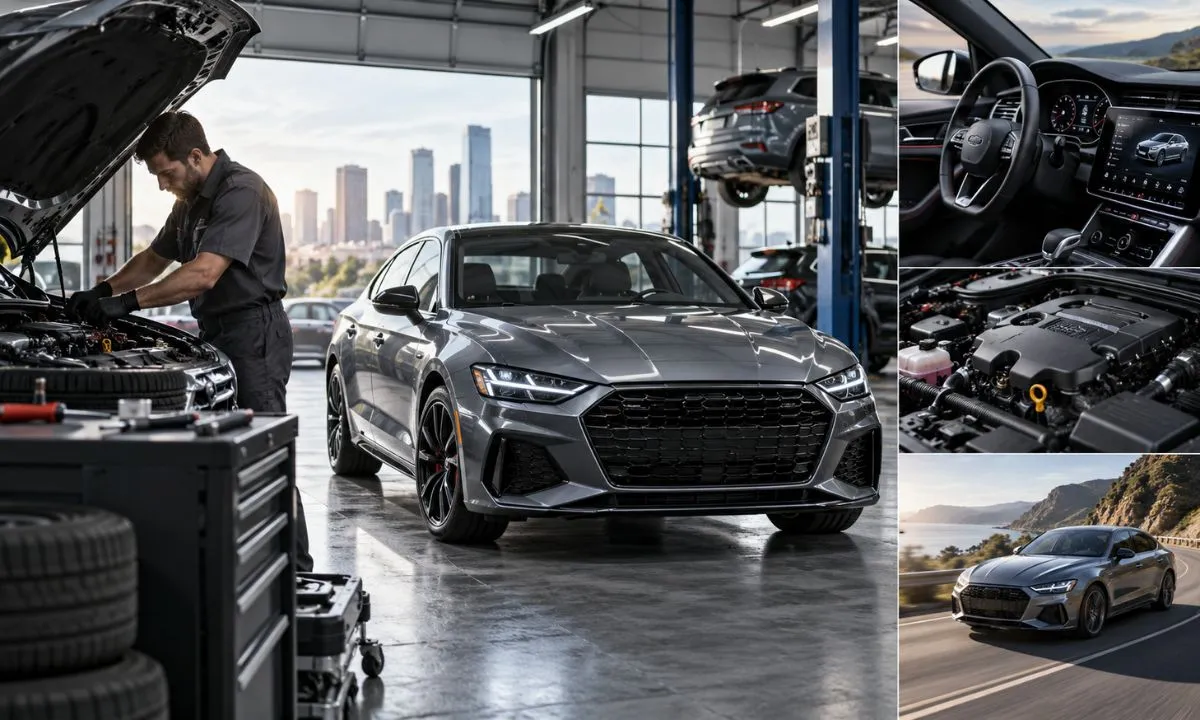
Car News, Maintenance Guides and Diagnostics for U.S. Drivers
Diary OK is a U.S.-focused automotive resource covering car news, new models, electric vehicles, maintenance schedules and step-by-step diagnostics for common problems such as a car that won’t start or a check engine light. Guides focus on likely causes and safe next steps, so you know what to check before paying for repairs.
Find the Automotive Answer You Need
Whether your car is acting up, a service is due or you are researching your next vehicle, these are the four places most drivers start.
Car Problems and Diagnostics
Learn what common symptoms may mean before you replace parts or book a repair.
- Car won’t start
- Check engine light
- Engine overheating
- Battery keeps dying
Vehicle Maintenance
Oil, tires, brakes, filters and fluids explained by mileage and driving conditions.
- Motor oil
- Brake inspection
- Tire rotation
- Fluid checks
Car News and New Models
New vehicles, EVs, pricing and technology from the brands U.S. drivers follow.
- New cars
- Electric vehicles
- Vehicle pricing
- Automotive technology
Free Online Tools
Fast browser-based tools for tech, security, calculations and everyday tasks.
- FPS test
- Password generator
- IP checker
- Calculators
What’s Wrong With Your Car? Six Common Symptoms Explained
Start with what you can see, hear or feel. A symptom is a better starting point than replacing parts based on a guess.
Car won’t start
The cause depends on what happens when you turn the key or press the button.
- Clicking or dim lights: weak battery, corroded terminals or a starter problem.
- Engine cranks but won’t run: fuel delivery, ignition or a sensor fault.
Check engine light
The computer has detected a condition outside its expected range. Causes range from a loose gas cap to sensors, ignition or emissions faults.
- Read the trouble code with an OBD-II scanner before buying parts.
- A code points to a detected condition. It does not always name the failed part.
Flashing light? This usually signals a misfire. Reduce speed and load and get the car checked soon.
More diagnostic guidesEngine overheating
Common causes include low coolant, a leak, a failed cooling fan, a stuck thermostat or a water pump problem.
- Turn off the A/C and turn the heater on to move heat away from the engine.
- Let the engine cool before you check coolant. Never open a hot radiator cap.
Temperature gauge in the red? Pull over safely and stop the engine. Driving on can cause serious damage.
More engine guidesBattery keeps dying
A repeatedly drained battery can be simply old, or it can point to a charging problem or something drawing power while the car is parked.
- Test battery condition and charging voltage first.
- If both are normal, a parasitic draw may need to be tested.
Brakes squeak or grind
Light squealing can come from pad material or moisture. Grinding usually means the pads are worn through to metal.
- Note when it happens: light braking, hard braking or all the time.
- Check for a warning light or a change in pedal feel.
Grinding or a soft pedal? Have the brakes inspected promptly.
More brake guidesCar A/C not cooling
Weak cooling can involve low refrigerant from a leak, compressor operation, condenser fan airflow, electrical controls or blend-door problems.
- Check that the compressor clutch engages and the condenser fan runs.
- Refrigerant pressure testing needs proper service equipment.
This is general educational information, not an in-person diagnosis. Stop driving if a problem could affect braking, steering, engine temperature or safety, and have the vehicle inspected by a qualified technician.
Car Maintenance Schedule by Mileage
Preventive maintenance reduces unexpected breakdowns and extends vehicle life. Use this as a planning guide and always follow the schedule in your owner’s manual.
| Interval | Focus | What to check |
|---|---|---|
| Monthly | Quick checks | Tire pressure, oil and coolant levels, washer fluid, lights and wiper blades. |
| Every 5,000 to 10,000 miles | Oil, tires and inspection | Engine oil at the manufacturer’s interval, tire tread and rotation, visible fluid levels. |
| 15,000 to 30,000 miles | Filters, brakes and wear items | Engine and cabin air filters, brake pads, belts, hoses and battery condition. |
| 30,000 to 60,000 miles | Fluids and major inspections | Transmission fluid, coolant, brake fluid, spark plugs, suspension, steering and drivetrain, depending on the vehicle. |
| 60,000+ miles | Long-term reliability | Cooling system, ignition components, wheel bearings, belts, hoses, transmission operation and fluid leaks. |
Important: no single oil-change or service interval is correct for every vehicle. Your owner’s manual, oil-life monitor, engine design, driving conditions and manufacturer specifications should set the schedule.
Latest Car News and New Vehicles
New cars, electric vehicles, pricing and performance models from manufacturers in the United States and beyond.
2026 Honda Prelude: Release Date, Price, Performance and Features
The returning Honda Prelude, including its hybrid powertrain, technology, fuel economy, pricing and what buyers should know.
Read the Honda Prelude guideTesla Model Y Sales and the Competition From Ford
How Tesla’s popular Model Y compares with Ford in important U.S. markets.
Read the Tesla Model Y sales storyFord Mustang Dark Horse SC Pricing
Pricing and what the latest performance Mustang offers buyers.
See Mustang Dark Horse SC pricing2027 Chevrolet Bolt and the Affordable EV Market
Chevrolet’s affordable electric vehicle strategy and the competitive EV market.
Read the 2027 Chevy Bolt analysisPorsche Taycan and Panamera Strategy
How Porsche could change its luxury performance lineup as technology and costs evolve.
Read the Porsche Taycan and Panamera storyAutomotive News by Brand
Follow new models, pricing, electric vehicles and technology from major automakers.
Practical Advice for U.S. Drivers
Owning a car involves more than fuel. Understanding maintenance, warning signs and routine care helps you make better decisions.
Motor Oil and Engine Care
How oil viscosity, manufacturer specifications, driving conditions and engine design affect maintenance decisions, including synthetic oil, filters, intervals and leaks.
Explore engine and oil guidesCar Buying Guides
Research new and used vehicles using practical information on pricing, reliability, fuel economy, technology and ownership costs before a major purchase.
Research cars before you buyCar Care and Cleaning
How to wash a vehicle safely and avoid the most common paint damage caused by poor cleaning methods.
Read the car wash guideCar Maintenance, Diagnostics and Automotive Technology Explained
Modern cars combine mechanical parts, sensors, software and driver-assistance systems. When something goes wrong, finding the real cause is often harder than replacing the part that seems to be failing. Diary OK guides are written to make those systems easier to understand before you spend money.
Understanding common car problems
A car that will not start may have a weak battery, a poor electrical connection, a starter fault or a fuel-delivery issue. An overheating engine may involve coolant loss, airflow, a cooling fan, the thermostat or the water pump. Similar symptoms can have very different causes.
Good diagnostics starts with symptoms: warning lights, noises, leaks, smells, vibration and changes in performance. A diagnostic trouble code narrows the search, but it usually identifies a detected condition, not automatically the component to replace.
Vehicle maintenance that protects your car
Engine oil, tires, brakes, filters, coolant and batteries need attention at different points in a vehicle’s life. Short urban trips, highway driving, towing, extreme heat, freezing weather and dusty roads all change how quickly parts wear, which is why the owner’s manual matters more than a generic mileage rule.
Electric vehicles and the changing car market
Electric vehicles remove some traditional engine service but add other considerations: battery condition, charging speed, range, thermal management, tires and software. Diary OK follows EV news from Tesla, Ford, Chevrolet, Honda and Porsche alongside gasoline, hybrid and performance vehicles.
How we approach our guides: we explain likely causes before recommending a repair, point you to the manufacturer’s specifications for anything safety-related, and say clearly when a problem needs a qualified technician.
Free Tools You Can Use Right Now
Browser-based utilities for technology, security, calculations and everyday tasks, with nothing to install.
FPS Test
Measure browser frames per second, frame time and estimated display refresh rate in real time.
Start the FPS testPassword Generator
Create strong random passwords for websites, accounts and apps.
Generate a strong passwordWhat Is My IP?
Check your public IP address and useful network information from your browser.
Check my IP addressProfit Margin Calculator
Calculate profit margin, markup and profit from cost and revenue.
Calculate profit marginMore utilities: refrigerator diagnostics, drywall and gypsum calculator, website color palettes, how to test FPS, best free tools, Android tips and all free tools.
Car Maintenance and Diagnostics FAQs
How often should I change my engine oil?
It depends on the vehicle, engine, oil specification and driving conditions. Follow your owner’s manual and oil-life monitoring system instead of a universal mileage number. Many modern cars fall somewhere between 5,000 and 10,000 miles, but some differ.
How do I diagnose a common car problem?
Start with the symptoms. Note warning lights, sounds, smells, leaks, vibration, starting behavior and temperature. A diagnostic trouble code helps narrow the search, but testing is often needed before concluding that a specific part has failed.
Can a diagnostic trouble code tell me exactly which part is bad?
Not always. A code usually identifies a detected fault, circuit or operating condition. Additional inspection and testing may be needed before you replace a component.
What routine car maintenance is most important?
Engine oil, tires, brakes, battery condition, filters, coolant and other fluids. The exact schedule varies by vehicle, mileage, climate and driving conditions.
Is it safe to drive with the check engine light on?
A steady light usually means the car should be scanned soon, and short trips are often possible. A flashing light typically signals a misfire that can damage the catalytic converter, so reduce speed and load and have it checked promptly.
Does Diary OK cover electric vehicles?
Yes. Diary OK covers EV news, battery technology, charging, new models and manufacturer developments, alongside gasoline, hybrid and performance vehicles.
Understand Your Car Before You Spend Money
Start with our automotive guides if you are researching a vehicle or trying to understand a problem. If you need a quick digital solution, try one of our free online tools.