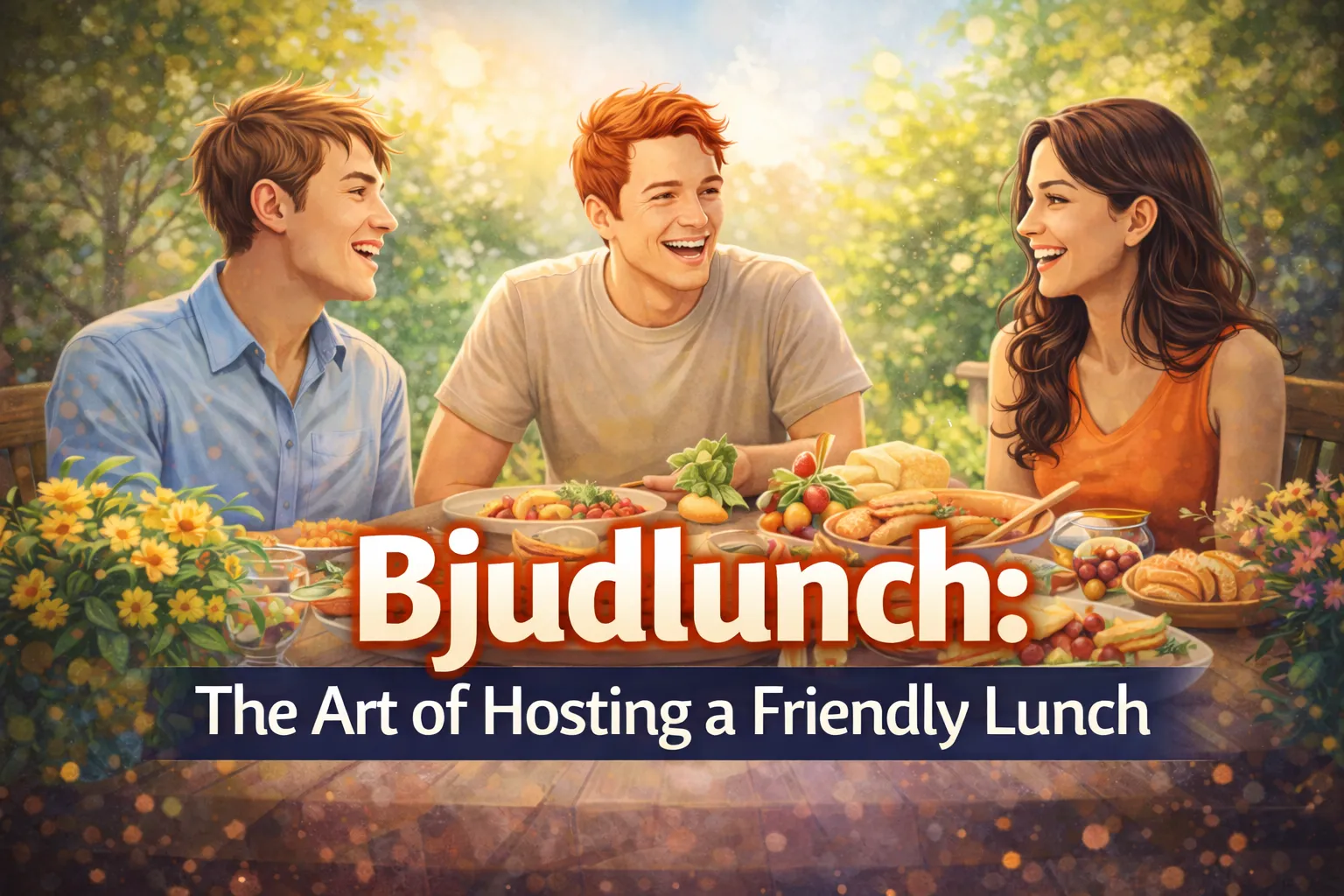
Imagine hosting a gathering where the focus is not just on the food but on the connections being fostered among friends, colleagues, or family. A bjudlunch embodies this spirit—an inviting lunch that blends simplicity with warmth. In this guide, you’ll discover how to transform a casual meal into a delightful experience that strengthens bonds and creates memorable moments.
Whether you’re inviting new neighbors, reconnecting with old friends, or building camaraderie among colleagues, a bjudlunch offers the perfect opportunity to enjoy light-hearted conversation over good food. Let’s dive into the essentials of hosting a successful bjudlunch that leaves everyone feeling valued and satisfied.
Understanding the concept of bjudlunch
The term “bjudlunch” originates from Sweden and translates to “invite-for-lunch.” However, its meaning transcends a mere meal invitation. A bjudlunch is about creating a relaxed atmosphere where guests can engage in meaningful conversations while enjoying uncomplicated food. It’s a celebration of life’s simple pleasures.
At its core, a bjudlunch encourages:
- Connection: Foster relationships by sharing stories and laughter over a table set with delicious food.
- Inclusivity: Everyone feels welcome and valued, regardless of their culinary preferences.
- Mindfulness: The event promotes a slower pace, allowing guests to savor their meals and each other’s company.
Through this guide, you’ll learn how to plan each aspect of your bjudlunch, from selecting the guest list to crafting the perfect menu, ensuring a memorable experience for all.
Why host a bjudlunch?

Hosting a bjudlunch offers numerous benefits that can enhance both personal and professional relationships. Here are some compelling reasons to consider:
- Strengthen relationships: Sharing a meal is a natural way to deepen friendships, ease workplace tensions, or welcome newcomers to your community.
- Keep it attainable: A lunch gathering eliminates the pressure of hosting a formal dinner, making it more approachable while still feeling special.
- Encourage balance: A midday event allows evenings to remain open for family time or relaxation, promoting a balanced lifestyle.
Setting the tone for a bjudlunch
Define the vibe
Establishing the right atmosphere is crucial for a successful bjudlunch. Consider whether you want a cozy, homey environment or a vibrant, café-like setting. This decision will influence:
- Table settings
- Lighting choices
- Music selection
- Food presentation
To clarify your vision, consider selecting a two-word theme such as “fresh & friendly” or “rustic & cheerful” to guide your decisions throughout the planning process.
Choose a date and duration
Typically, a bjudlunch lasts between 60 and 120 minutes. If you’re hosting during the workweek, provide clear start and end times—such as 12:15 to 13:30—so guests can comfortably plan their day. For weekend gatherings, you might opt for a more relaxed pace, letting guests know to enjoy a leisurely afternoon.
Curate the guest list
The guest list can dictate the flow of conversation and the overall enjoyment of the lunch:
- Aiming for 3–6 guests keeps discussions dynamic and avoids cliques.
- Mix familiar faces with newcomers to cultivate new connections.
- For workplace lunches, be mindful of dietary restrictions and interpersonal dynamics.
Build around one centerpiece
Choosing a main dish that is easy to prepare and can be served at room temperature is key. Consider options like:
- Roast chicken or salmon
- A seasonal quiche or savory tart
- A hearty grain bowl base, such as farro, barley, or quinoa
Offer two supporting sides
Complement the main dish with a variety of flavors and textures. Ideal side dishes include:
- A crisp salad drizzled with a bright vinaigrette
- A warm vegetable dish, such as roasted carrots or braised greens
- A simple starch, like new potatoes or artisan bread
Add a light dessert
Simplify dessert by choosing options that can be prepared in advance:
- Fruit compote paired with yogurt or ice cream
- Lemon loaf, berry tart, or cardamom cookies
- A charming plate of chocolates alongside fresh berries
Think about dietary needs
Be considerate of your guests’ dietary preferences by clearly labeling vegetarian, vegan, gluten-free, or nut-free options. Wherever possible, design the menu modularly, allowing guests to assemble their own plates comfortably.
Smart prep timeline
Two to three days before
- Confirm the headcount and dietary notes.
- Shop for non-perishable items and beverages.
- Prepare sauces, dressings, and marinades; bake any desserts that will improve overnight.
One day before
- Wash and chop vegetables, storing them in airtight containers.
- Pre-cook grains or legumes for efficient serving.
- Set the table and organize serving pieces, labeling each platter with sticky notes for easy identification.
Morning of
- Cook the main dish and warm up sides (or bring them to room temperature if served cold).
- Toss salads just before serving to maintain freshness.
- Prepare water pitchers with citrus and herb garnishes, and chill beverages.

Hosting flow: managing the gathering
Welcome and settle
Greet your guests with a refreshing drink and a small snack—consider marinated olives, spiced nuts, or crispbread with a spread. This thoughtful gesture allows late arrivals to feel welcomed while early birds can mingle comfortably.
Buffet or family-style serving
For a bjudlunch, family-style serving is often best. Passing platters creates a friendly atmosphere and encourages guests to sample a bit of everything. Be sure to use trivets and generous serving utensils to streamline the flow and minimize bottlenecks.
Conversation cues
To foster an engaging atmosphere, prepare a few open-ended conversation starters. Ideas include:
- “What’s a small win from your week?”
- “What seasonal dish are you currently enjoying?”
Such light topics can help keep the mood buoyant and inclusive, ensuring all guests feel involved.
Drinks that fit the midday mood
Beverages play a crucial role in setting the tone of your gathering. Consider these options:
- Sparkling water infused with citrus wheels for a refreshing twist
- Iced tea or cold brew, with optional sweeteners available
- Light wine or beer for weekend occasions, complemented by appealing non-alcoholic choices
- A simple mocktail made with tonic, cucumber ribbons, and a squeeze of lime for a refreshing alternative
Budget-friendly tips for hosting
Hosting doesn’t have to break the bank. Here are several budget-friendly suggestions:
- Select one luxurious element—like quality cheese or smoked fish—and keep the rest of the menu simple.
- Utilize seasonal produce, which tends to be more cost-effective and flavorful.
- Consider borrowing serveware from friends or embracing a mix-and-match style that can add charm.
Atmosphere and table styling
Keep it simple
A neutral tablecloth paired with cloth napkins and a low-profile centerpiece, like a bowl of citrus or small herb pots, creates an inviting setting without obstructing sightlines. Soft background music at a conversation-friendly volume will enhance the ambiance.
Thoughtful details
- Consider place cards to help guests who may not know each other.
- A small printed menu or handwritten card detailing dishes and allergens can be a thoughtful touch.
- Have a cozy throw available if you’re hosting outdoors and the weather changes unexpectedly.
Cultural etiquette notes for a successful gathering
In Scandinavian cultures, punctuality is valued, and guests may be expected to remove their shoes upon entering. Ensure a neat area is available for coats and footwear. As a host, it can be helpful to communicate any expectations about gifts upfront—something like, “Just bring yourselves—no need for flowers or wine” can ease potential guest stress.
If you find yourself as a guest, show your appreciation by offering to help clear plates, complimenting a dish you genuinely enjoyed, and sending a brief thank-you message afterwards. These small gestures can extend the warmth of the occasion.
Menu ideas by season
Seasonality can enhance your menu, making it more appealing and relevant:
Spring
- Main: Herb-roasted salmon with lemon
- Sides: Asparagus with mustard vinaigrette; new potato salad with dill
- Dessert: Rhubarb compote paired with vanilla yogurt
Summer
- Main: Tomato-basil tart or grilled chicken thighs
- Sides: Watermelon-feta salad; charred corn with chili-lime butter
- Dessert: Berry pavlova or refreshing peach sorbet
Autumn
- Main: Mushroom and gruyère quiche
- Sides: Roasted beets with hazelnuts; kale salad with apple and pecorino
- Dessert: Spiced pear cake or comforting apple crisp
Winter
- Main: Slow-roasted pork shoulder or a hearty lentil-walnut loaf
- Sides: Warm carrots with harissa honey; braised red cabbage
- Dessert: Rich chocolate pot de crème or a light citrus olive-oil cake
A simple hosting checklist
- Finalize your guest list and dietary preferences.
- Plan components that can be made ahead of time.
- Set the table the day before for a stress-free morning.
- Prepare a welcoming snack to greet your guests.
- Keep beverages cold and clearly labeled for easy access.
- Serve family-style with appropriate utensils to encourage sharing.
- Have containers ready for any leftovers to send home with guests.
Parting thoughts on hosting a bjudlunch
Hosting a bjudlunch is about fostering connections rather than showcasing culinary prowess. By crafting a thoughtful menu, adhering to a gentle timeline, and incorporating hospitable touches, you can create an environment where guests feel relaxed and valued. A bjudlunch celebrates the joy of gathering and the magic that unfolds when good food and great company come together.