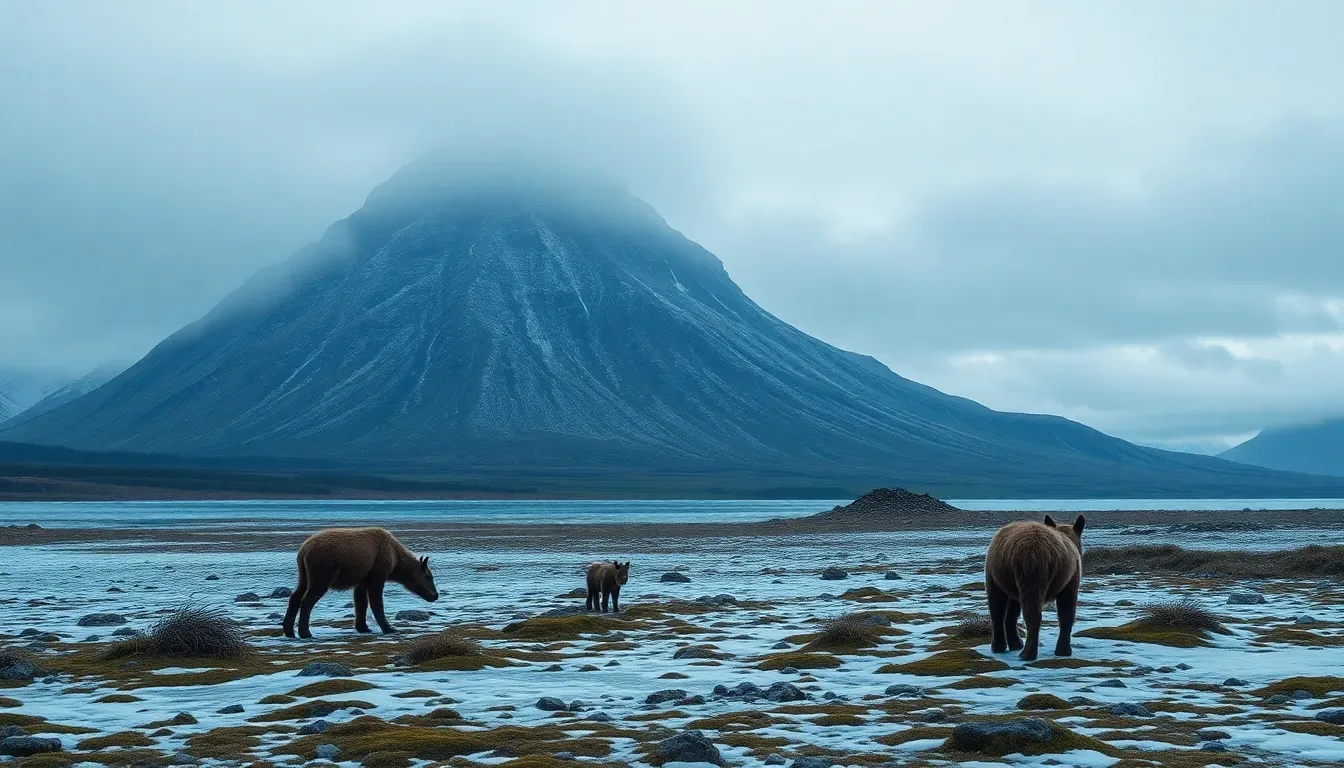
Norway is renowned for its breathtaking landscapes and rich biodiversity, an intricate web of ecosystems where wildlife flourishes. However, managing this diverse array of flora and fauna requires meticulous planning and coordination. This is where Viltnemnda comes into play, an essential component of Norway’s wildlife management structure.
These local wildlife management committees are pivotal in promoting sustainable practices while addressing pressing issues such as overpopulation and habitat conservation. If you’re interested in understanding how Viltnemnda functions and the impact it has on preserving Norway’s natural heritage, continue reading as we explore its history, roles, collaborations, and success stories.
Understanding Viltnemnda and Its Significance
Viltnemnda is a foundational element of Norway’s wildlife management system. Each municipality in Norway is equipped with its own Viltnemnda, consisting of appointed members who possess a wealth of knowledge in ecology, hunting, and nature conservation. This localized approach ensures that decisions are not only scientifically informed but also align with the specific needs and values of the community.
The primary responsibilities of Viltnemnda include:
- Overseeing hunting regulations to ensure sustainable practices.
- Managing animal populations to prevent overpopulation and related issues.
- Addressing human-wildlife conflicts that may arise due to habitat encroachment.
- Facilitating public consultations to involve the community in decision-making.
By mediating between stakeholders such as hunters, farmers, and environmentalists, Viltnemnda fosters a collaborative atmosphere that is essential for effective wildlife management. This engagement not only helps protect biodiversity but also preserves cultural practices associated with traditional hunting.
The Historical Context of Wildlife Management in Norway
The practice of wildlife management in Norway has deep historical roots, tracing back centuries when local communities depended on hunting and fishing for sustenance. This intrinsic connection to nature cultivated a communal sense of responsibility toward wildlife conservation. However, as industrialization surged during the 19th century, urban expansion and agricultural development began to encroach upon natural habitats, leading to the recognition of the need for regulatory measures.
By the mid-20th century, formal wildlife protection guidelines were established. This marked a significant shift from unchecked exploitation to a focus on sustainable resource use. Key developments in this era included:
- The establishment of regulated hunting laws to control animal populations.
- The formation of conservation organizations focused on protecting biodiversity.
- Comprehensive guidelines aimed at balancing ecological integrity with human activities.
These early efforts laid the groundwork for the structured management systems we see today, including the Viltnemnda committees, which integrate local strategies with national conservation goals.
The Integral Role of Viltnemnda in Local Wildlife Management
Viltnemnda serves as a crucial link between governmental regulations and community interests. Its members analyze wildlife populations, set hunting quotas, and develop region-specific strategies to ensure sustainable practices. The committee is composed of elected representatives who understand both ecological challenges and local community needs, making them well-equipped to address the unique circumstances of their respective areas.
Key functions of Viltnemnda include:
- Analyzing local wildlife populations to inform management strategies.
- Setting hunting quotas that reflect ecological balance and community needs.
- Engaging in public consultations to raise awareness about biodiversity.
- Promoting educational outreach to foster a culture of conservation.
Through these efforts, Viltnemnda not only mitigates human-wildlife conflicts but also promotes healthy ecosystems that can thrive alongside human activities. This grassroots involvement ensures that conservation goals are aligned with the values of the community, making Viltnemnda an indispensable element in Norway’s wildlife management framework.
Collaborative Efforts: How Viltnemnda Works with Other Organizations
Collaboration is at the heart of effective wildlife management, and Viltnemnda actively partners with various organizations to enhance its efforts. These partnerships extend to municipal authorities, conservation groups, and research institutions, creating a multifaceted approach to wildlife conservation and sustainable management.
Some collaborative efforts include:
- Working with local authorities to harmonize regulations with community needs.
- Partnering with conservation organizations to raise awareness about local ecosystems.
- Collaborating with research institutions to gather data on species behavior and population dynamics.
By pooling resources and expertise, Viltnemnda fosters a holistic approach that not only addresses environmental sustainability but also incorporates community involvement. This collaborative framework enhances the overall impact of wildlife management initiatives across Norway.
Success Stories: Conservation Efforts Led by Viltnemnda
The conservation initiatives spearheaded by Viltnemnda have yielded significant results, demonstrating the effectiveness of community-driven wildlife management. One notable success story is the revitalization of the moose population in certain regions, where strategic management and regulated hunting practices have helped stabilize their numbers and maintain ecological balance.
Other successful initiatives include:
- Habitat restoration projects aimed at protecting endangered species through reforestation and the creation of wildlife corridors.
- Community engagement programs in local schools that promote wildlife conservation awareness among younger generations.
- Collaborations with local businesses to promote sustainable practices that benefit both wildlife and the economy.
These collective efforts illustrate how proactive measures can lead to thriving habitats and healthier populations of native species. The commitment to conservation demonstrates that when communities unite for a common cause, positive change is achievable.
Challenges Faced by Viltnemnda in Wildlife Management
Despite its successes, Viltnemnda faces numerous challenges in its mission to manage local wildlife effectively. One of the most pressing issues is balancing the interests of conservation with those of local communities. Farmers and landowners often express concerns about wildlife damaging crops or livestock, resulting in conflicts that require sensitive negotiation.
Additional hurdles include:
- Adapting to the impacts of climate change, which complicates wildlife management as habitats shift and animal populations change.
- Securing adequate funding for research, monitoring, and educational programs, as limited budgets can hinder vital activities.
- Addressing public perception and misinformation, which can lead to resistance against necessary conservation actions.
Engaging with the community is a priority for Viltnemnda, but navigating the varied opinions on wildlife management practices can be challenging. Ongoing education and outreach efforts are essential in fostering understanding and support for wildlife conservation initiatives.
Future Perspectives: The Evolution of Wildlife Management in Norway
The outlook for local wildlife management in Norway appears promising, with a growing awareness of biodiversity and a commitment to innovative approaches. The integration of technology into wildlife management is revolutionizing monitoring capabilities, enabling more informed decision-making regarding species conservation. Tools such as drones, camera traps, and data analytics are becoming increasingly prevalent in monitoring wildlife populations and habitats.
Collaboration among various stakeholders will be crucial for the success of future wildlife management strategies. Key aspects of this collaborative vision include:
- Involving local communities, government bodies, and NGOs in the development of effective management strategies.
- Implementing educational initiatives that empower citizens to engage actively in wildlife protection efforts.
- Adopting adaptive management practices to respond to the challenges posed by climate change.
By fostering a strong sense of stewardship within communities, Norway can build resilient ecosystems capable of thriving alongside human activity. The collective commitment to conservation will play a pivotal role in shaping the future of wildlife management in the country.
Exploring Norway’s Diverse Wildlife
Norway’s wildlife is as diverse as its landscapes, boasting a wide range of species that inhabit various ecosystems. From the fjords to the forests, the country is home to numerous animals, including:
- Moose, which are iconic and prevalent in many regions.
- Reindeer, particularly in the northern areas where they are an integral part of Sami culture.
- Brown bears, lynxes, and wolverines, which are protected under wildlife conservation laws.
- Bird species such as the white-tailed eagle and the puffin, which are vital to the ecosystem.
Understanding the specific needs and behaviors of these animals is essential for effective management. Viltnemnda collaborates with researchers to gather data on population dynamics, which informs decision-making and helps implement conservation strategies tailored to each species.
The Unique Wildlife of Northern Norway
Northern Norway is particularly rich in wildlife, characterized by its rugged terrain and harsh climate. The region is home to unique species that have adapted to its distinct environment. Some notable animals found in northern Norway include:
- Reindeer, which roam freely and are crucial to the traditional livelihoods of the Sami people.
- Arctic foxes, which are well-adapted to the cold and are a symbol of the region’s biodiversity.
- Polar bears, primarily found on the Svalbard archipelago, representing the northernmost limit of bear habitats.
- Numerous migratory bird species that nest in the summer months, contributing to the region’s ecological diversity.
The unique challenges faced by wildlife in northern Norway, including climate change and habitat loss, necessitate targeted conservation efforts. Viltnemnda’s role in this region is crucial for balancing ecological integrity with the needs of local communities.
The Impacts of Climate Change on Wildlife Management
As climate change continues to exert pressure on ecosystems globally, its impacts are also felt in Norway. Changes in temperature and precipitation patterns are altering habitats and affecting wildlife populations. Viltnemnda is tasked with adapting management strategies to address these challenges effectively.
Key considerations in responding to climate change include:
- Monitoring changes in animal behaviors and migration patterns due to temperature fluctuations.
- Implementing habitat restoration projects to support species affected by shifting environmental conditions.
- Engaging in research to understand the long-term impacts of climate change on local ecosystems.
By staying informed and proactive, Viltnemnda can play a vital role in ensuring the sustainability of Norway’s wildlife in the face of these ongoing changes.