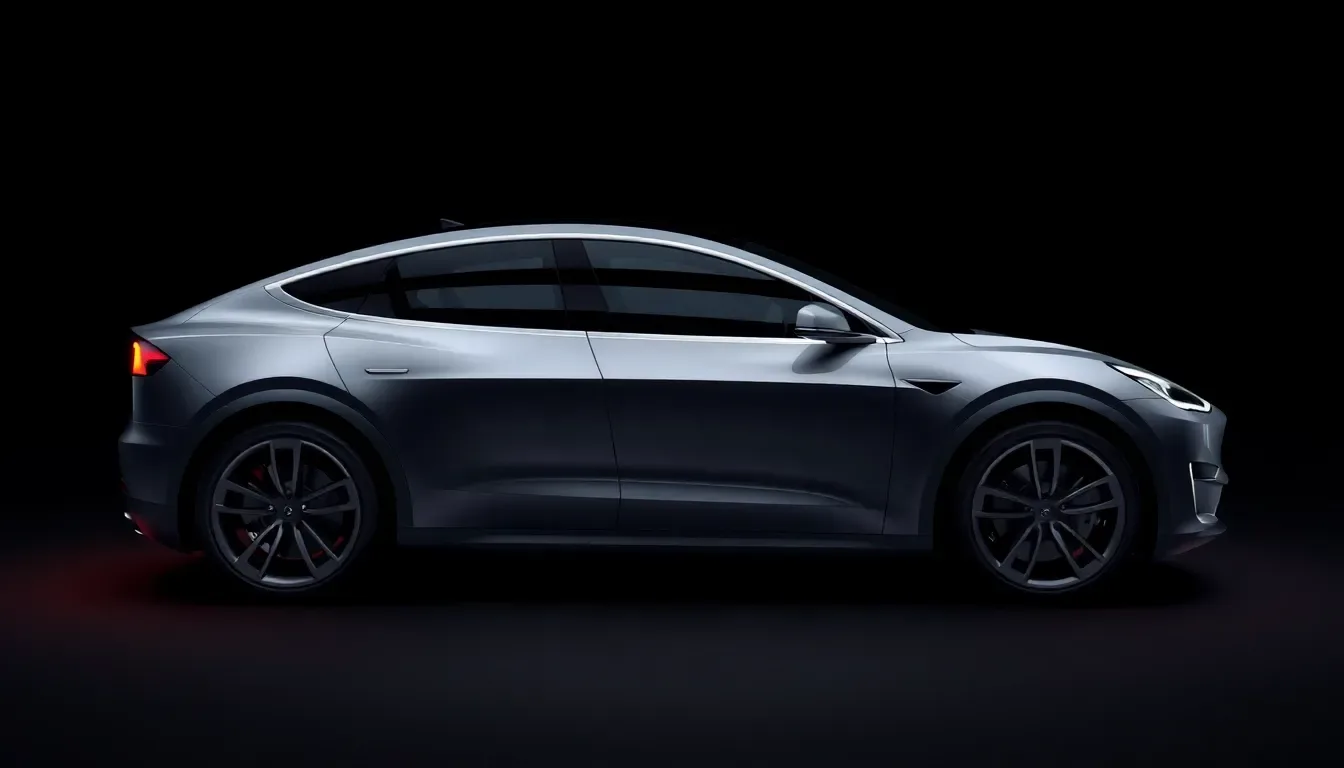
Tesla’s Full Self-Driving (FSD) technology has been a topic of heated debate, especially within the U.S. media landscape. However, the narrative shifts dramatically when we look at how this autonomous driving software is being perceived in other countries. In Japan, recent media reviews have praised FSD for its notable capabilities on real-world streets, hinting at a promising future for Tesla’s technology in that region.
This article delves into the positive reception of Tesla’s FSD in Japan, its potential rollout, and the challenges it faces in a competitive market. Additionally, it will explore how Tesla’s initiatives compare to rival electric vehicle manufacturers, particularly in the realm of charging infrastructure.
FSD receives acclaim from Japanese media
In a recent review by the Japanese news outlet Nikkei, Tesla’s Full Self-Driving has been highlighted for its exceptional situational awareness and smooth control. During tests conducted in bustling Tokyo, FSD demonstrated an ability to react swiftly and effectively to various driving scenarios, often outperforming human drivers.
One particularly impressive instance noted in the review involved a bicyclist unexpectedly entering a crosswalk from the Tesla’s blind spot. FSD detected the cyclist immediately and responded appropriately, prompting the reviewer to exclaim, “Wow!” Another test involved a vehicle that began reversing suddenly in a narrow street, to which FSD smoothly halted, avoiding a potential collision. Throughout a thirty-minute drive, the Tesla Model 3 equipped with FSD required no human intervention, showcasing its reliability and advanced capabilities.
The future of FSD in Japan
While FSD is not yet officially available in Japan, the country is reportedly taking steps to facilitate its introduction. Recent announcements from Japan’s Ministry of Land, Infrastructure, Transport, and Tourism indicate that they will allow retrofitting for vehicles with AI-powered software updates, enabling self-driving features.
Tesla board member Hiro Mizuno commented on this significant development via a post on X, emphasizing the potential for a smooth rollout of FSD in Japan. He stated, “The decision to allow retrofitting of autonomous driving through software updates is significant. Currently, Tesla is the only manufacturer actively pursuing this.” This regulatory support suggests that Japan is keen on embracing advanced automotive technologies, aligning with Tesla’s innovation trajectory.
How Tesla’s FSD stands against global competition
Despite the excitement surrounding FSD, Tesla faces stiff competition in the electric vehicle sector. Rivals have been slow to catch up in critical areas, notably in developing effective charging infrastructures. Tesla has maintained a dominant position in the market, especially in the U.S., where its expansive network of Superchargers has set the standard for EV charging.
- As of Q3 2025, Tesla installed 1,820 new chargers in the U.S., bringing its total to 34,328.
- This represents a market share of 53.2% of all charging stalls in the country.
- In contrast, nine competing networks combined installed only 841 chargers during the same period.
- These competitors include ChargePoint, Electrify America, and EVgo, collectively holding just 15.6% of the U.S. charging infrastructure.
This overwhelming lead in charging infrastructure is vital as the demand for electric vehicles continues to rise. Many consumers rely on public charging options for long-distance travel and daily commutes, making the availability of these stations essential for broader EV adoption.
Significance of charging infrastructure in EV adoption
The availability and convenience of charging stations play a crucial role in the ownership experience of electric vehicles. As Tesla opens its Supercharger network to various EV brands, it not only bolsters its own infrastructure but also positions itself as a leader in the market. However, it raises concerns about competitors lagging behind without significantly improving their offerings.
As electric vehicles become more mainstream, the need for robust charging solutions is paramount. Tesla’s early investments in this area have allowed it to establish a significant competitive advantage. The following factors contribute to the importance of charging infrastructure:
- Accessibility: More charging stations mean greater accessibility for EV owners, reducing range anxiety.
- Convenience: Public charging options are essential for individuals without home charging capabilities.
- Market Growth: A well-developed charging network encourages more consumers to consider transitioning to electric vehicles.
Updates on the Tesla Roadster
As the year progresses, excitement builds around the anticipated Tesla Roadster. Originally slated for release in 2020, the project faced delays as Tesla focused on scaling up production of the Model Y and advancing its autonomous driving technology. However, recent updates indicate that the company is finally ready to showcase the Roadster’s capabilities after years of speculation.
In a recent interview on the Ride the Lightning podcast, Tesla’s Chief Designer Franz von Holzhausen confirmed that the “most epic demo” for the Roadster is still on track for late 2025. He hinted at new features, including exciting paint options, and promised that the capabilities of the Roadster will push the limits of current automotive technology.
Challenges and the road ahead for Tesla
Despite its successes, Tesla faces numerous challenges as it navigates the evolving automotive landscape. The competition continues to intensify, particularly with companies vying for a share of the electric vehicle market. While Tesla’s technology is widely regarded as pioneering, the company must remain vigilant and innovative to maintain its lead.
Key challenges include:
- Regulatory Compliance: As jurisdictions adapt to new technologies, Tesla must ensure that its vehicles meet varying regulatory standards across different markets.
- Market Competition: Emerging manufacturers and traditional automakers are investing heavily in their electric vehicle lineups.
- Public Perception: Negative media narratives in some regions could influence consumer perceptions and buying decisions.
Tesla’s journey is far from over. As it continues to innovate and expand its global footprint, the company’s future in the electric vehicle space will be shaped by its ability to adapt to these challenges while continuing to deliver groundbreaking technology.