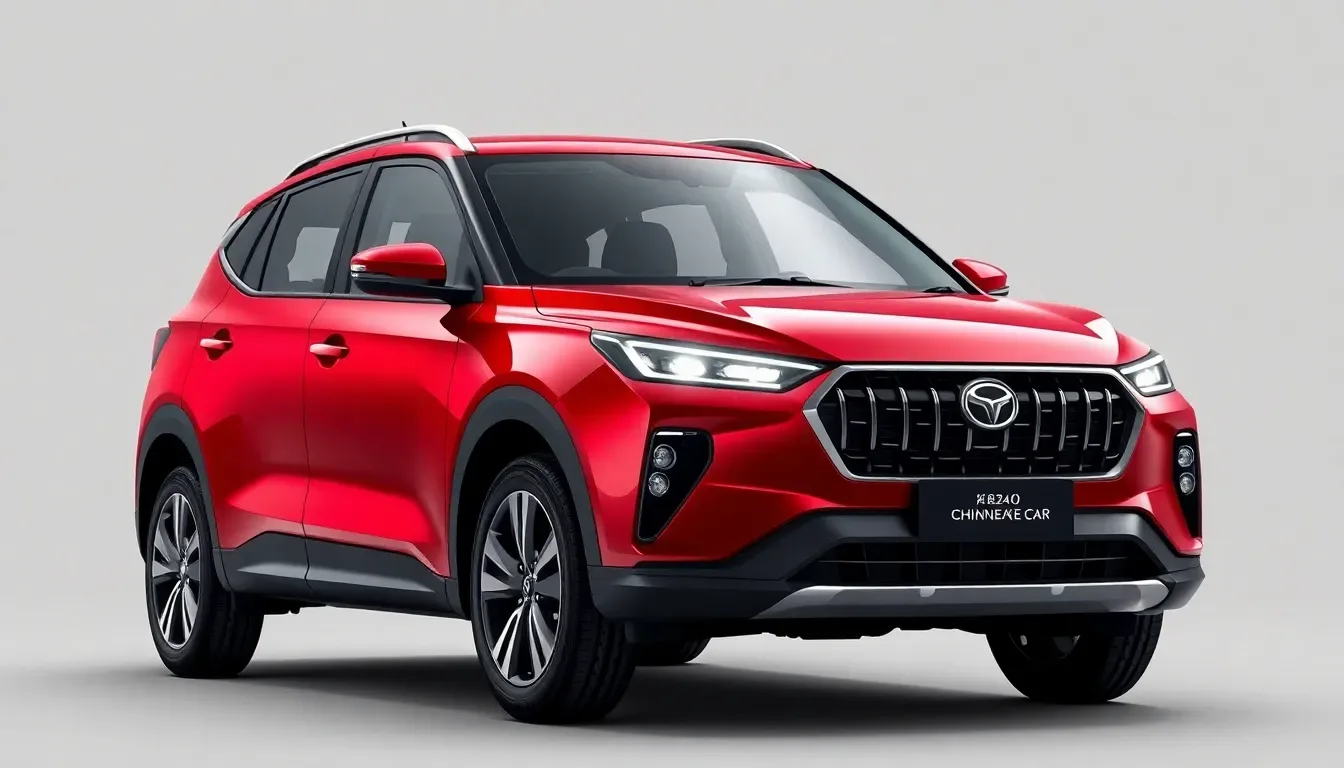
The rapid evolution of the automotive industry has led to fascinating developments, particularly in the realm of Chinese car manufacturers. While the speed of their vehicle production is often lauded, the implications of such a fast-paced development cycle raise questions about quality and reliability. Are these cars truly up to par with their European or Japanese counterparts, or do they suffer from the haste in their creation? To answer these questions, we must delve deeper into the world of Chinese automotive brands and their unique approach to car manufacturing.
The rapid development of Chinese cars: A double-edged sword
Chinese brands are notorious for their ability to develop new car models at a breakneck speed, often bringing them to market in just two years. This contrasts sharply with the traditional seven-year cycle that many European manufacturers adhere to. But is this speed always a benefit? While it allows manufacturers to respond quickly to market demands, it also poses risks.
Several factors contribute to this swift development process:
- Large R&D workforce: China boasts a vast pool of skilled engineers and researchers dedicated to automotive innovation.
- Advanced electronic architectures: Many Chinese vehicles leverage sophisticated technology that allows for easier updates and modifications.
- Vertical integration of components: By producing many parts in-house, companies save time on sourcing and logistics.
- Streamlined decision-making: The governance style in Chinese companies often enables quicker decisions, avoiding bureaucratic delays.
A downside to this rapid development is that it can lead to rushed products that lack thorough testing and refinement. The market is gradually seeing a range of Chinese vehicles appear, but many consumers question their overall quality and reliability.
Examining the quality of Chinese cars
The increasing presence of Chinese automobiles in markets like the UK has led to mixed reviews, especially regarding their performance and technology. Many of these vehicles come with competitive pricing and attractive features, but the execution often leaves much to be desired.
Some of the commonly reported issues include:
- Handling: Many Chinese cars struggle to provide the agility and responsiveness expected by drivers.
- Comfort: Lack of attention to ride quality can result in uncomfortable driving experiences.
- Technology integration: While many models boast high-tech features, the actual implementation can be inconsistent.
- Durability: Concerns have arisen about the longevity of components and overall vehicle lifespan.
These factors can significantly affect a consumer’s loyalty to a brand, particularly when the vehicle does not provide a satisfactory driving experience over time.
Consumer perceptions and brand reputation
The perception of Chinese car brands is still evolving, with many consumers remaining skeptical about their reliability and performance. For those considering a purchase, the question arises: what sets these vehicles apart from established brands?
Some brands have successfully established a unique selling proposition (USP), but often it is their execution that fails to impress. Examples of notable models making waves in China include:
- Xiaomi SU7: A vehicle that has gained significant traction in its home market.
- Avatr range: Known for its modern luxury appeal, showcasing innovative design elements.
- XPeng P7: A model that has garnered attention for its advanced technology and features.
While these brands may be gaining momentum domestically, their success in international markets is still uncertain. The challenge lies in bridging the gap between initial consumer skepticism and delivering quality products that meet or exceed expectations.
Challenges faced by Chinese manufacturers in the global market
As more Chinese brands enter international markets, they face several hurdles:
- Brand Recognition: Many consumers are unfamiliar with these brands, making it challenging to establish trust.
- Regulatory Compliance: Meeting the stringent safety and environmental standards required in different countries can be complex.
- Competition: Established players like Toyota, Volkswagen, and Hyundai have strong brand loyalty and proven reliability.
In the race to capture market share, Chinese manufacturers must not only focus on speed but also on building a reputation for excellence, reliability, and customer satisfaction.
The future of Chinese automotive brands
Looking ahead, it’s clear that Chinese automakers are on a path of rapid evolution. However, several factors will determine their success in the global marketplace:
- Investment in R&D: Continued investment in research and development will be crucial to innovate and improve vehicle quality.
- Consumer Engagement: Brands must work on building relationships with consumers through marketing and customer support.
- Collaboration with International Brands: Partnerships with established manufacturers could help enhance credibility and share expertise.
The ability to balance speed with quality will be essential for Chinese automakers as they strive to position themselves as credible competitors on the global stage.
What can consumers expect from Chinese cars?
For consumers considering a Chinese vehicle, it’s important to set realistic expectations. While many models offer competitive pricing and a host of modern features, the following aspects should be kept in mind:
- Test Drive: Always take a test drive to assess handling, comfort, and technology firsthand.
- Research: Look up reviews and ratings from trusted automotive sources to gauge reliability.
- Warranty and Service: Investigate warranty offerings and the availability of service centers for maintenance and repairs.
By being informed and cautious, consumers can make smarter decisions when considering Chinese automobiles, potentially discovering hidden gems amidst the rapidly expanding market.
Conclusion: The road ahead for Chinese automotive brands
The automotive landscape is evolving, and Chinese manufacturers are gaining traction with their innovative approaches and competitive pricing. While challenges remain, the future holds promise for those brands willing to invest in quality and customer satisfaction. As they continue to refine their offerings and adapt to global markets, it will be interesting to see how they shape the future of the automotive industry.