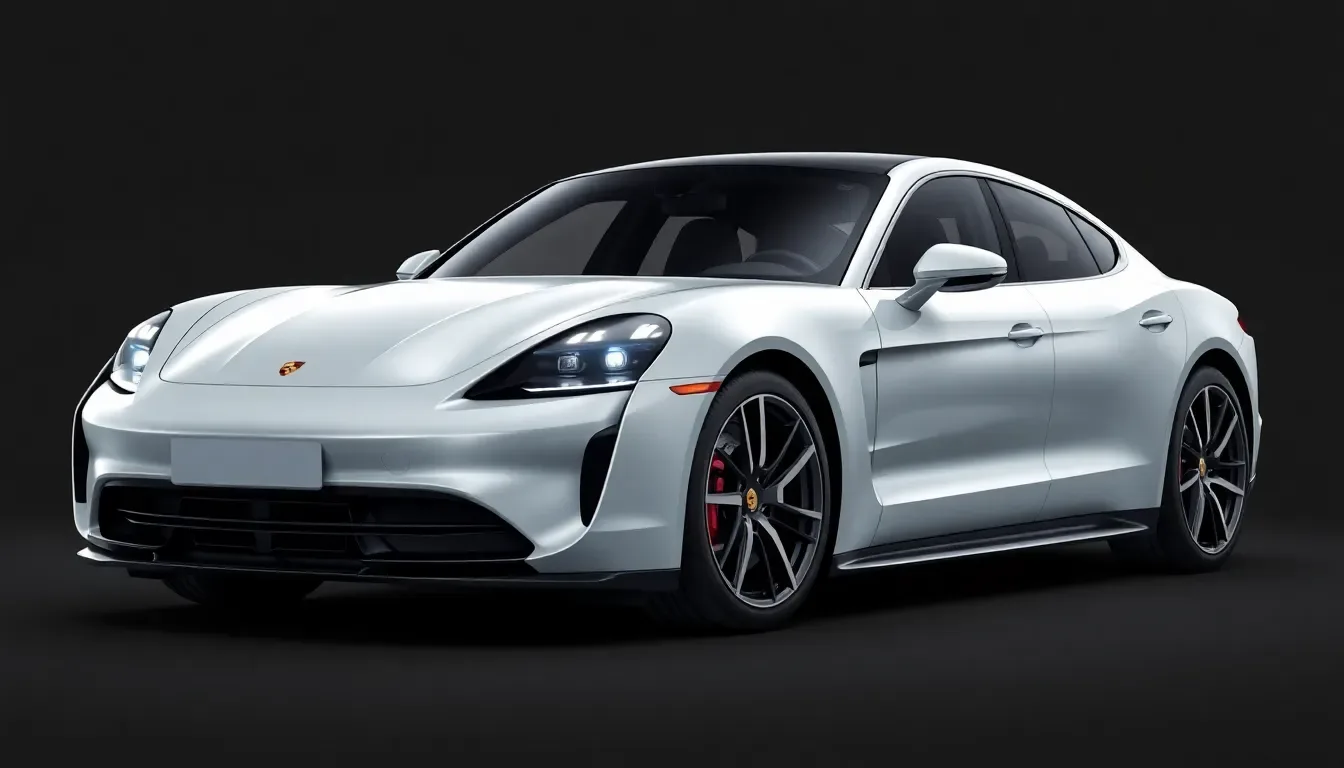
The automotive industry is undergoing rapid transformation, particularly in the luxury sector where electric vehicles (EVs) are reshaping consumer expectations. As companies strive for sustainability while maintaining performance, Porsche is now considering a significant shift in its model lineup.
The potential unification of two of its flagship models, the Taycan and the Panamera, could represent a strategic move to streamline operations and cut costs while continuing to meet the demands of an evolving market.
Porsche’s Current Challenges in a Competitive Market
Porsche is at a critical juncture as it navigates declining sales and increasing competition. Under the leadership of Michael Leiters, who took over from Oliver Blume, the company is grappling with a notable decrease in sales figures. In 2025, Porsche experienced a 10 percent drop in sales, following a 3 percent decline in 2024. This trend is particularly pronounced in China, where demand has plummeted by double digits for three consecutive years, largely due to the rise of domestic competitors offering high-tech alternatives at lower prices.
As the new CEO, Leiters faces the daunting task of revitalizing Porsche’s sales while maintaining its brand prestige. His previous experience at McLaren equips him with a unique perspective on performance and market positioning, which will be crucial as he implements changes to the model lineup.
The Potential Merger of Taycan and Panamera
The idea of merging the Taycan and Panamera lines is gaining traction as a means to cut costs and optimize production. According to reports from Autocar, the unification could lead to a single vehicle that leverages shared components, ultimately simplifying manufacturing and reducing operational costs.
This merger could allow Porsche to:
- Streamline production: By sharing hardware and technology, Porsche can minimize redundancy.
- Enhance performance: A unified model could combine the best features of both vehicles, appealing to a broader audience.
- Reduce costs: Consolidation may lower research and development expenditures, providing more resources for other innovations.
The Distinct Markets of Taycan and Panamera
Historically, the Taycan has catered to the electric vehicle market, while the Panamera has served the internal combustion engine (ICE) enthusiasts. This coexistence has allowed both models to thrive in their respective niches:
- Taycan: Positioned as Porsche’s flagship electric model, emphasizing performance and sustainability.
- Panamera: A luxury sports sedan that appeals to traditional petrolheads, offering powerful ICE options.
However, the automotive landscape is shifting rapidly. With increasing consumer interest in EVs and the impending regulatory changes favoring electric over internal combustion models, Porsche may need to rethink its strategy. The merger could facilitate a smoother transition towards a more electric-focused future while retaining the luxury and performance that define the brand.
Market Trends Impacting Porsche’s Strategy
The luxury automotive market is evolving, and consumers are becoming increasingly price-sensitive. The demand for high-quality, technologically advanced electric vehicles is on the rise, particularly in markets like China. Porsche’s challenge is to remain competitive against an influx of domestic brands that are providing compelling EV options at a fraction of the cost.
In recent years, the sales figures for the Taycan illustrate this trend:
| Year | Global Taycan Sales |
| 2025 | 16,339 |
| 2024 | 20,836 |
| 2023 | 40,629 |
| 2022 | 34,801 |
| 2021 | 41,296 |
| 2020 | 20,015 |
The data indicates a concerning trend, particularly the significant drop in sales from 2023 to 2025. This decline raises questions about the Taycan’s long-term viability in the market, especially as local manufacturers continue to produce high-performance, cost-effective alternatives.
Brand Identity and Future Model Naming
One of the critical factors in merging the Taycan and Panamera lines is the branding strategy. It remains uncertain which name would prevail in the new model. Given the Panamera’s longer history and established reputation, it may have an edge over the Taycan in terms of consumer recognition.
Porsche likely understands the importance of brand equity and may prioritize retaining a name that customers associate with luxury and performance. The company has invested significant resources in building the Panamera’s identity over nearly two decades, making it a strong candidate for the unified model.
Future Developments in Porsche’s Lineup
As Porsche considers this merger, it must also balance the introduction of new models. The company recently announced plans for several significant changes:
- The Macan crossover will receive a gas-powered replacement.
- The Boxster and Cayman sports cars will also see new gas-fueled variants alongside their electric counterparts.
- A new three-row SUV is set to launch with traditional combustion engines, contrary to initial EV-only plans.
These developments indicate Porsche’s dual strategy of catering to both traditional ICE enthusiasts and a growing EV market. As the company moves forward, it will be critical to evaluate how best to position the Taycan and Panamera within this evolving landscape.
Porsche is at a crossroads, facing the dual pressures of declining sales and a rapidly changing market. The merger of the Taycan and Panamera lines could represent a strategic move to consolidate resources, streamline production, and enhance competitiveness. As the brand navigates these challenges, its ability to innovate while remaining true to its heritage will be crucial to its success in the luxury automotive market.