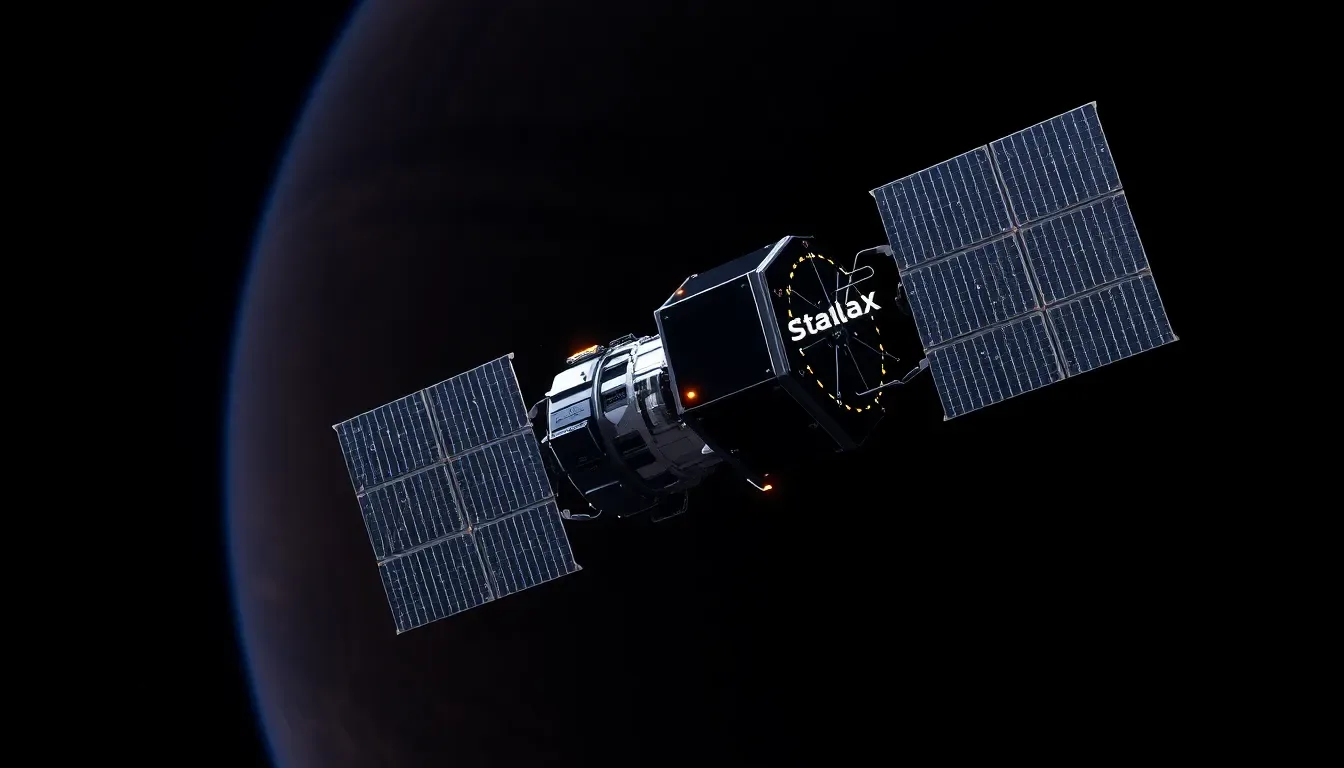
As the technological landscape continues to shift towards space-based solutions, Elon Musk has unveiled ambitious plans that could revolutionize computing as we know it. With the advent of SpaceX’s Starlink V3 satellites, the potential for orbital computing is no longer just a futuristic concept but an emerging reality. In this article, we delve into this fascinating development, exploring the implications, benefits, and challenges that come with establishing data centers in orbit.
SpaceX’s pioneering role in orbital computing
Elon Musk’s vision for SpaceX extends beyond launching rockets and satellites; it encompasses a broader ambition to establish a sustainable infrastructure in space. Recently, Musk hinted at the possibility of utilizing Starlink V3 satellites to create space-based data centers. This announcement has sparked considerable interest among technology enthusiasts and industry experts alike.
One of the most compelling aspects of this vision is the potential to tackle the challenges posed by traditional data centers on Earth. Conventional data centers require extensive land, energy, and cooling resources, which can be detrimental to the environment. In contrast, orbital data centers could harness solar energy and eliminate the need for extensive cooling systems, thus reducing their ecological footprint.
Moreover, the Starlink V3 satellites boast impressive capabilities, with a throughput of up to 1 terabit per second (Tbps). Such bandwidth could enable seamless data processing and storage, positioning SpaceX as a frontrunner in the race for orbital computing.
Understanding the technical feasibility
While the concept of orbital computing is promising, it is essential to evaluate its technical feasibility. Musk’s assertion that scaling up the Starlink V3 satellites could lead to operational data centers is grounded in the satellites’ advanced technology. Key factors influencing this feasibility include:
- High-speed laser links: The V3 satellites are equipped with high-speed laser communication, allowing for rapid data transfer between satellites and ground stations.
- Solar energy utilization: Utilizing solar panels in space can provide a continuous energy source, crucial for sustaining operations.
- Reduced cooling requirements: The absence of atmospheric conditions in space diminishes the need for traditional cooling methods.
Despite these advantages, critics of orbital computing are concerned about potential challenges, including the complexities of maintaining large-scale data systems in a harsh space environment. Issues such as radiation exposure, hardware durability, and the logistics of repairs and upgrades remain significant hurdles that SpaceX must address.
SpaceX’s track record in innovation
SpaceX has built a formidable reputation in the aerospace industry, proving its capability to deliver innovative solutions consistently. The company’s Starlink network has already transformed global internet accessibility, providing high-speed broadband to millions of users, even in remote areas.
Additionally, SpaceX’s Falcon 9 rockets have demonstrated remarkable reliability, successfully landing on both land and ocean platforms. This success not only showcases the company’s engineering prowess but also provides a solid foundation for Musk’s ambitious plans for orbital computing.
Many industry experts believe that SpaceX’s track record makes the idea of space-based data centers plausible. The growing interest in orbital infrastructure is evident, with influential figures like former Google CEO Eric Schmidt and Amazon founder Jeff Bezos expressing interest in developing data storage and processing solutions in space.
Challenges and criticisms of orbital data centers
While the potential benefits of orbital computing are significant, it is crucial to consider the challenges and criticisms that accompany this innovative idea. Key concerns include:
- Economic viability: The cost of launching and maintaining data centers in space could be prohibitively high, raising questions about their long-term sustainability.
- Technological hurdles: Ensuring the reliability and durability of hardware in the harsh conditions of space is a considerable challenge that must be addressed.
- Regulatory considerations: The establishment of orbital data centers would require navigating complex international regulations surrounding space infrastructure.
These challenges highlight the need for thorough research and development before undertaking such a monumental venture.
Future prospects of SpaceX’s orbital computing
If successful, SpaceX’s foray into orbital computing could usher in a new era of data processing, paving the way for advancements in artificial intelligence, machine learning, and big data analytics. The implications of this technology could extend far beyond traditional computing environments, enabling new applications in various sectors, including:
- Climate modeling: Enhanced computational power could improve climate prediction models, allowing for better disaster preparedness.
- Global communications: Improving global connectivity by providing robust internet access to underserved regions.
- Scientific research: Facilitating real-time data analysis for scientific experiments conducted in space.
The possibilities are vast, and if Musk’s vision materializes, it could change the landscape of technology as we know it.
Conclusion: A new frontier in computing
The prospect of utilizing SpaceX’s Starlink V3 satellites for orbital computing represents a transformative shift in how we approach data processing and storage. While challenges remain, the combination of SpaceX’s innovative technology and Musk’s ambitious vision positions the company as a potential leader in this emerging field. As we witness the evolution of computing technology, it becomes increasingly clear that the future may lie beyond our planet.