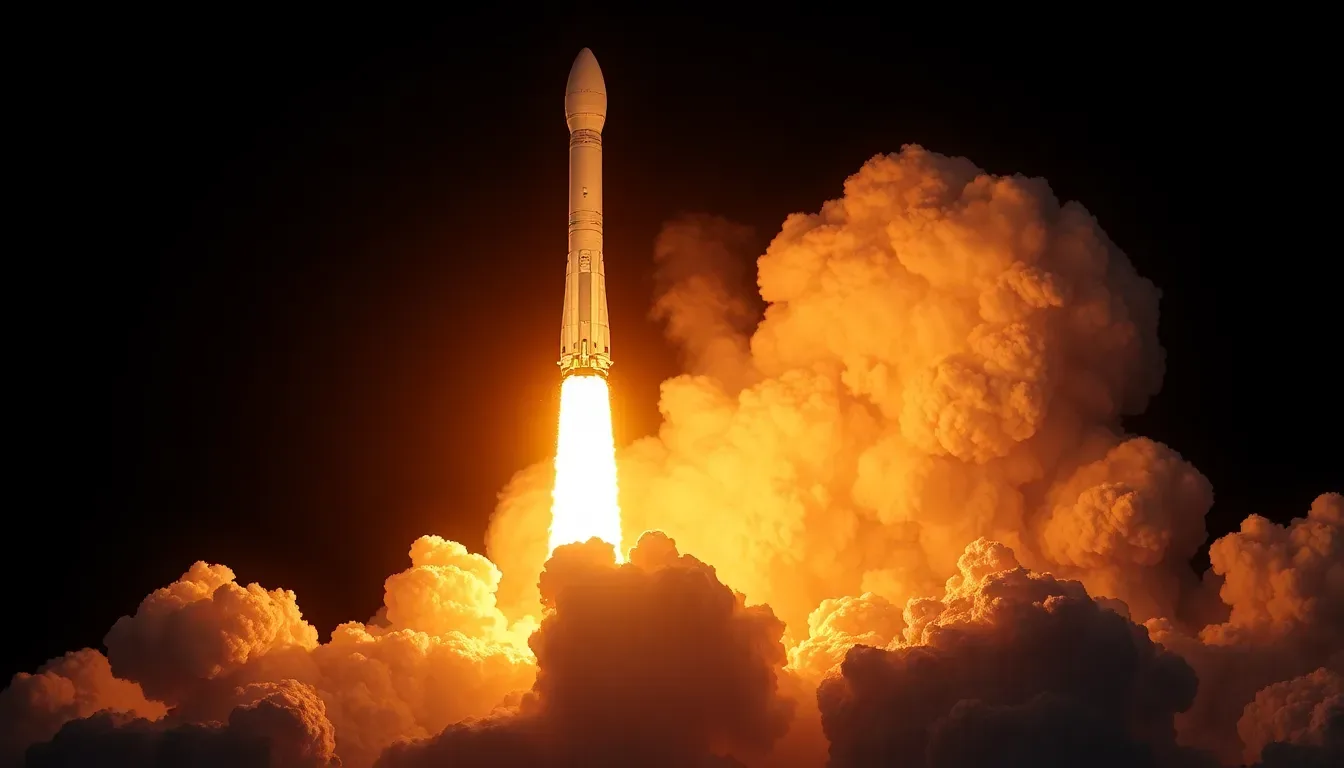
In the rapidly evolving landscape of space exploration and technology, the interplay between companies like SpaceX and influential figures in the industry can significantly impact public perception and policy. Recent remarks made by former NASA administrator Jim Bridenstine have sparked a contentious dialogue about the agency’s reliance on SpaceX’s Starship for the Artemis 3 Moon mission. As this dialogue unfolds, it is essential to dissect the various dimensions of this debate, examining the motivations behind the comments, SpaceX’s response, and the broader implications for lunar exploration.
As the aerospace industry progresses towards ambitious goals, understanding these dynamics becomes crucial. The stakes are high, and the future of lunar missions may hinge on the outcomes of this discourse.
Bridenstine’s comments on Starship and Artemis 3
During a recent symposium, Jim Bridenstine, alongside fellow former NASA chief Charlie Bolden, expressed significant skepticism regarding NASA’s current Artemis strategy. The crux of their argument posits that reliance on SpaceX’s Starship may jeopardize the mission’s timeline, particularly in the context of competition with China for lunar exploration.
Bridenstine emphasized the importance of Starship, stating, “Starship is a tremendously important vehicle for the future.” He acknowledged its potential to revolutionize space transport by delivering substantial payloads to low Earth orbit while decreasing costs. However, he voiced concerns about the timeline needed to develop a lunar lander, indicating doubts about the feasibility of meeting Artemis 3’s deadlines.
This skepticism is noteworthy, particularly given Bridenstine’s position as a former NASA administrator. His insights carry weight, especially when discussing the intricacies involved in lunar exploration. He outlines the critical need for a reliable moon lander that can operate efficiently within the tight schedules established by NASA.
SpaceX’s response to the former NASA administrator’s comments
In a robust counter to Bridenstine’s remarks, SpaceX took to the platform X to articulate its position, suggesting that the former administrator’s comments should not be interpreted as neutral observations. SpaceX expressed gratitude for Bridenstine’s role in initiating the Artemis Program but criticized his current stance as potentially biased.
SpaceX stated, “Like many Americans, we are thankful for Mr. Bridenstine’s service leading NASA at one point. He deserves credit for spearheading the creation of the Artemis Program.” However, they cautioned that Bridenstine’s comments on Starship reflect the interests of his lobbying firm, the Artemis Group, which represents various aerospace companies competing for NASA contracts.
The company further clarified that the selection of Starship for the Artemis III mission was the result of a comprehensive and competitive evaluation process, which determined it to be the most viable option in terms of both technical capability and cost-effectiveness. This assertion highlights the transparent nature of NASA’s decision-making during Bridenstine’s tenure.
SpaceX added, “The decision to select Starship was confirmed repeatedly following protest and litigation from the companies not selected which delayed the start of work on the contract for many months.” This emphasizes the complexities of procurement processes within government contracts, where multiple stakeholders often vie for a piece of the pie.
Understanding the implications of lobbying in aerospace
The intersection of lobbying and public policy in aerospace is a nuanced topic that merits attention. Bridenstine’s transition to a lobbying role raises questions about conflicts of interest and the motivations behind public statements made by former officials.
- Lobbying Influence: The presence of lobbying firms, like Bridenstine’s Artemis Group, can potentially sway public opinion and policy in favor of specific companies.
- Transparency in Procurement: Understanding NASA’s procurement processes and how they assess proposals is vital for fostering trust in their decisions.
- Public vs. Private Interest: The balance between advocating for national interests and representing private companies can create ethical dilemmas for former officials.
As the dialogue progresses, it is crucial for stakeholders, including the public, to critically assess the motivations behind statements from influential figures in the industry.
SpaceX’s achievements and future goals
Amidst the ongoing debate, SpaceX continues to hit notable milestones in its launch capabilities. Recently, the company celebrated its 100th Starlink mission of 2025, showcasing its commitment to expanding satellite internet services globally. This achievement underscores SpaceX’s operational efficiency and its role as a leader in the growing sector of satellite communications.
This particular mission involved a Falcon 9 rocket successfully transporting 28 Starlink satellites to low Earth orbit, further solidifying SpaceX’s position in the space industry. The company has emphasized the importance of reusability in its launch systems, which allows for increased frequency and reduced costs in satellite deployment.
Starlink’s network expansion and global impact
Starlink, as the largest satellite constellation in history, has not only revolutionized internet access for remote regions but has also demonstrated the potential of private companies to address global connectivity challenges. Currently operational in approximately 150 countries, Starlink has over 5 million subscribers, with a notable increase of 2.7 million in the past year alone.
Key features of the Starlink network include:
- High-Speed Internet: Offers low-latency internet services to underserved areas.
- Global Reach: Expands connectivity to regions where traditional infrastructure is lacking.
- Scalability: Continuous launches enable the network to grow and adapt to increasing demand.
This expansion not only highlights SpaceX’s technological prowess but also positions the company as a key player in addressing digital divides across the globe.
Tesla’s innovations and developments in autonomous driving
Meanwhile, Tesla remains at the forefront of automotive innovation with the anticipated release of the Full Self-Driving (FSD) V14 update for the Cybertruck. This update is part of Tesla’s broader strategy to unify the FSD experience across its entire lineup of vehicles, enhancing user experience and safety.
Despite delays in the expected rollout of FSD V14, Tesla’s Director of Autopilot Software has indicated that the update could be available soon, reflecting the company’s commitment to delivering cutting-edge technology to its customers.
Engaging consumers with the Tesla Ride program
To familiarize consumers with its FSD technology, Tesla has launched the “Tesla Ride” program, allowing participants to experience supervised FSD demos in real-world settings. This initiative not only enhances consumer engagement but also serves as a platform for showcasing advancements in autonomous driving technology.
The Tesla Ride program operates under specific guidelines:
- Participants must have a valid driver’s license and insurance.
- Sessions are limited to 45 minutes each.
- Pre-scheduling is advised for participants.
This approach underscores Tesla’s strategy to build trust in its FSD technology while addressing safety concerns and regulatory requirements. The program is currently available in various states, further extending Tesla’s marketing reach.
Conclusion
The ongoing discussions surrounding SpaceX’s Starship and NASA’s Artemis program illustrate the complexities of the aerospace industry, where technological advancements, public policy, and corporate interests intersect. As both SpaceX and Tesla continue to push the boundaries of innovation, the implications of these developments will shape the future of space exploration and autonomous transportation.