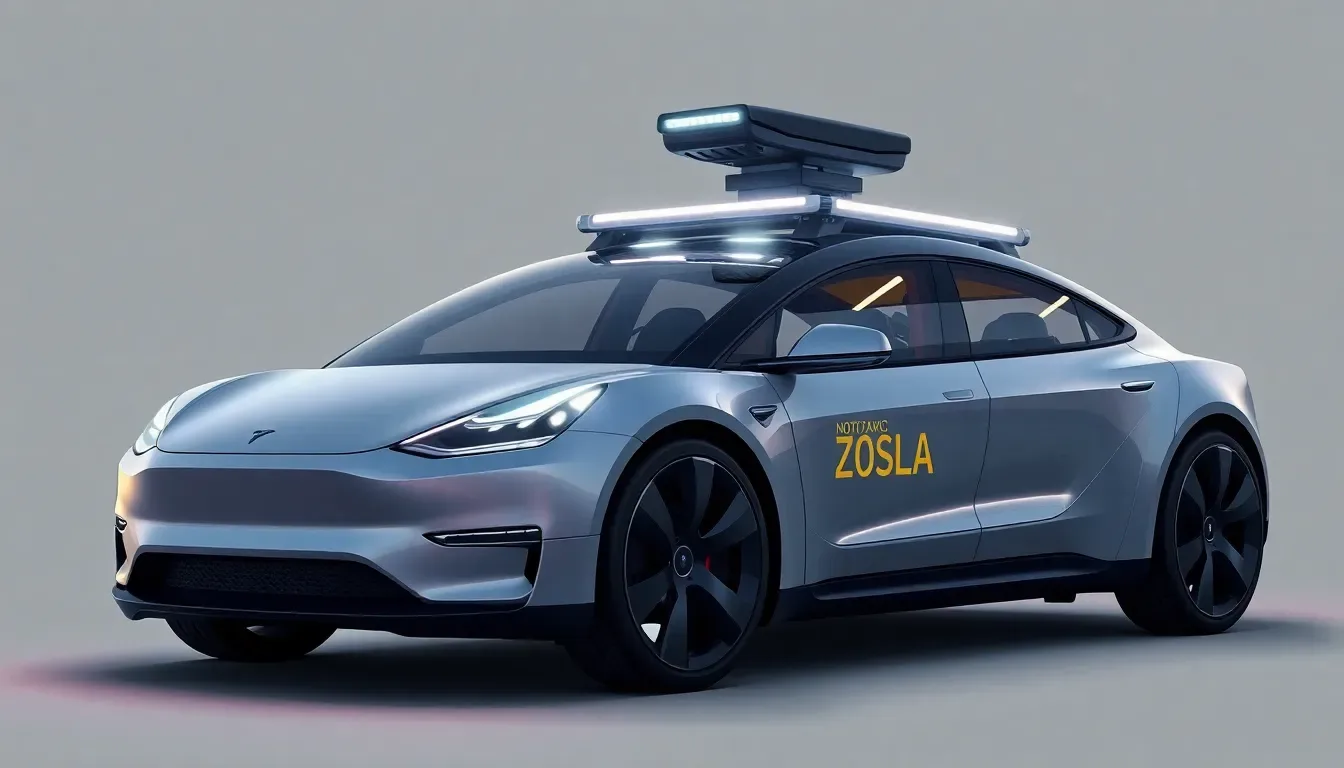
As Tesla accelerates its foray into the robotaxi market, it continues to expand its service area significantly. This expansion raises questions about the scale of its fleet and the operational capacity needed to meet growing demand. Here, we explore the implications of Tesla’s recent decisions and what they mean for the future of autonomous transport.
Tesla expands robotaxi geofence significantly
Tesla has recently broadened its Robotaxi geofence, increasing its operational area almost fourfold. This strategic move allows Tesla to cover a total of 243 square miles (629.367 sq. km), vastly surpassing the 170 square miles (440.298 sq. km) it previously operated. This expansion positions Tesla as a formidable competitor to existing services like Waymo, whose service area is now dwarfed by Tesla’s.
However, this expansion prompts further inquiries: with a larger operational area, how does Tesla plan to scale its fleet? The current fleet size remains ambiguous, leaving both users and enthusiasts speculating about the number of vehicles actively engaged in service.
- The increased geofence enables Tesla to reach more users.
- It reflects Tesla’s commitment to expanding its autonomous vehicle capabilities.
- Questions persist about fleet size, impacting user experience.
The current state of Tesla’s robotaxi fleet
Despite the significant expansion in geofence, Tesla has not disclosed specific numbers regarding its Robotaxi fleet in Austin. Initially, Tesla set expectations with a modest fleet of 10 to 20 Model Y vehicles. Following its second expansion, the company mentioned a 50% increase in the number of cars available, yet the exact number remains unclear.
This uncertainty has led to frustration among users, particularly as they report difficulties in booking rides within the newly expanded service area. Many have expressed concerns that as the geofence grows, the fleet size has not kept pace, resulting in longer wait times and limited availability.
“Trying to book a RoboTaxi in the new geofence and can’t get paired with a car. Really think Tesla needs to add more cars to the fleet in Austin. Has become tougher and tougher to use the service reliably.”
In the recent Q3 Earnings Call, Tesla did not provide any new insights on fleet expansion plans, further fueling user dissatisfaction. The lack of transparency in fleet numbers complicates users’ ability to gauge the service’s reliability.
Comparative analysis with competitors
Comparing Tesla’s Robotaxi initiative with competitors like Waymo highlights a stark difference in operational strategy. While Waymo operates a fleet of vehicles that have been rigorously tested and scaled, Tesla’s approach remains somewhat opaque. Users have voiced concerns about the reliability of the service, particularly in light of the ambitious geofence expansion.
Some key points of comparison include:
- Service Area: Tesla’s recent expansion vastly outstrips Waymo’s operational zone.
- Fleet Size: Waymo’s fleet is well-documented; Tesla’s fleet size remains a mystery.
- User Experience: Reports indicate that users struggle to book rides as the service area grows.
Future considerations for Tesla’s Robotaxi service
As Tesla moves forward, several critical factors will influence the success of its Robotaxi service:
- Fleet Expansion: Increasing the number of vehicles to match the growing service area will be essential.
- Transparency: Clear communication about fleet size and availability will help manage user expectations.
- Technology Integration: Enhancing the software and AI capabilities of the Robotaxi fleet will improve user experience and safety.
The road ahead for Tesla’s Robotaxi service is filled with potential, but it is clear that meeting user demand will require significant adjustments in fleet management and operational strategy.
Elon Musk’s vision for Tesla’s future
Beyond the robotaxi service, Elon Musk has made it clear that Tesla’s focus is on pioneering autonomous vehicles. During a recent interview, he emphasized that Tesla’s innovations are geared towards creating a future that is not only technologically advanced but also sustainable.
By prioritizing autonomy, Tesla aims to revolutionize transport, moving away from traditional models towards a fully integrated, self-driving future. This vision reflects Musk’s broader ambition to not just compete in the automotive space but to redefine it entirely.
Conclusion
As Tesla continues to expand its Robotaxi service and enhance its technology, the automotive landscape is set for significant transformation. The ongoing developments promise exciting opportunities for both Tesla and its users, provided the company can effectively manage the challenges that come with rapid growth and ambitious initiatives.