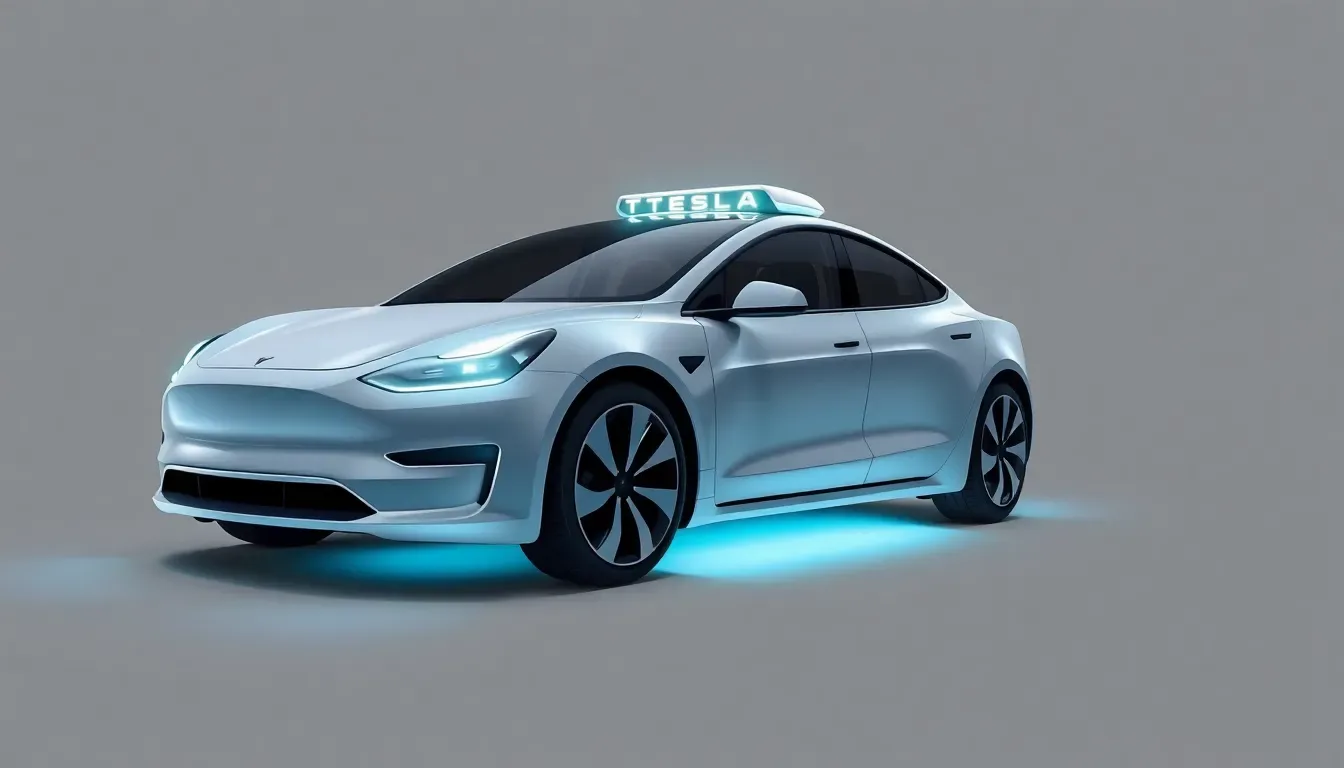
As Tesla continues to innovate and expand its operations, the automotive landscape is undergoing a significant transformation. The recent job postings from the company indicate a strong commitment to automating their services and addressing the complexities involved in managing a fleet of autonomous vehicles. This article delves into Tesla’s latest initiatives, focusing on their Robotaxi program, strategic hires, and the implications of these developments.
Tesla’s latest job posting signals advancement in Robotaxi program
On November 4, 2025, Tesla unveiled a new job opportunity for a Senior Insurance Claims Specialist, specifically related to its Robotaxi initiative. This posting marks a pivotal moment for the program, as it represents a shift from primarily operational roles to more specialized positions aimed at managing risk and insurance for autonomous vehicle operations.
Tesla has been actively recruiting for various roles within the Robotaxi program, predominantly focusing on Vehicle Operator positions, which include Safety Monitors and Validation Vehicle Drivers. However, this new role underscores the company’s intent to prepare for the eventuality of full liability for accidents involving its autonomous vehicles.
The job description highlights that the selected candidate will be responsible for overseeing corporate insurance and risk management across all aspects of the Robotaxi initiative. This includes:
- Managing incident reporting and claim processes
- Implementing insurance policies tailored for autonomous operations
- Collaborating with various departments to mitigate risks
This focus on insurance indicates that Tesla is gearing up for a future where they will need to address liability completely, especially with the anticipated launch of fully autonomous vehicles in the Cybercab and Robotaxi programs.
Tesla’s operational landscape in the Robotaxi market
Currently, Tesla operates its Robotaxi program in Austin, Texas, along with a ride-hailing service in the California Bay Area. These ventures signify the company’s first steps into the ride-hailing market, with or without a human driver present.
In Austin, most Robotaxi rides are conducted without a Safety Monitor, except on certain freeway routes where a driver must remain in the vehicle. In contrast, California mandates that a driver is always present in the driver’s seat. This variation in operational procedures reflects the different regulatory environments and safety requirements in each state.
The job posting for the Senior Insurance Claims Specialist suggests that Tesla is making significant strides toward resolving the complexities surrounding self-driving technology. The urgency and specificity of this role imply that the company is nearing a breakthrough in autonomous vehicle operation.
Strategic hiring to enhance market entry in India
In parallel with its advancements in the Robotaxi program, Tesla has also made strategic hires to bolster its entry into the Indian automotive market, which has proved challenging for the company over the past decade. Recently, Tesla appointed Sharad Agarwal, a former executive from Lamborghini, to lead its operations in India. His experience with luxury vehicles will be invaluable as Tesla attempts to navigate this intricate market.
The hiring of Agarwal represents a shift towards local leadership, allowing Tesla to streamline its decision-making processes. Previously, Tesla’s employees in India had to communicate with managers in other countries, which slowed down operations.
Some key points regarding Tesla’s strategy in India include:
- Focus on local leadership to cater to specific market needs
- Efforts to reduce import duties for better pricing
- Continued negotiations with Indian officials to facilitate market entry
Tesla’s long-awaited entry into India could significantly impact the local automotive market, especially as the country grapples with pollution and seeks cleaner transportation solutions. The company has been exploring this opportunity since 2016, and with Agarwal at the helm, Tesla aims to strengthen its foothold.
The role of Tesla’s Sentry Mode in public safety
In another noteworthy development, Tesla’s Sentry Mode has recently played a crucial role in law enforcement. Police in Seattle credited this feature for aiding in the apprehension of a suspect involved in a drive-by shooting. The incident occurred in the Pioneer Square neighborhood, where a nearby Tesla recorded the shooting and the suspect fleeing the scene.
Detective Brian Pritchard from the Seattle Police Department emphasized the importance of Tesla’s recording capabilities, stating:
“A nearby Tesla actually captured the video that showed a man crouched behind a vehicle firing gunshots. A lot of vehicles record, and officers know that Teslas, especially, record, so we use that video all the time in these instances.”
This incident highlights how Tesla’s technology contributes to public safety by providing critical evidence for law enforcement. Sentry Mode has proven effective not just for vandalism but also for serious crimes, making it a valuable asset for police departments.
Investor concerns regarding Elon Musk’s compensation plan
Amid these advancements, Tesla investors are voicing concerns regarding CEO Elon Musk’s compensation plan. Charles Schwab, a significant player in the investment community, faced pressure from shareholders over its expected vote against Musk’s pay package, which could potentially grant him greater voting power tied to performance metrics.
High-profile Tesla influencers have expressed their dissatisfaction with Schwab’s stance, citing a lack of alignment with shareholder interests. Key points of contention include:
- Previous opposition to Musk’s 2018 compensation package
- Potential loss of investor confidence if Schwab votes against the current proposal
- Calls for a more transparent voting process that aligns with shareholder values
The outcome of the vote, which is set for the upcoming Annual Shareholders Meeting in Austin, Texas, could have significant implications for Tesla and its leadership structure. Investors are keen to see a decisive result that could pave the way for future initiatives and mitigate any potential legal challenges stemming from compensation disputes.