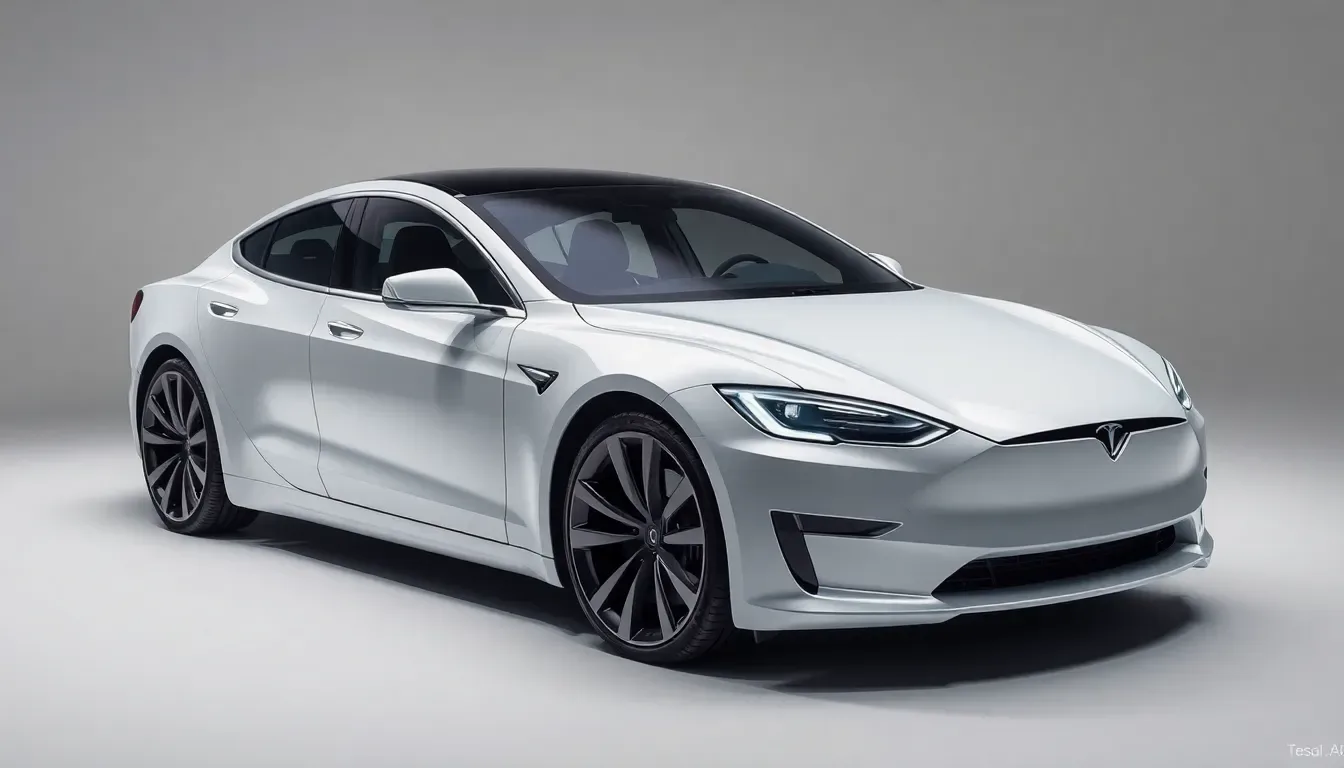
The world of autonomous driving is rapidly evolving, and Tesla’s latest updates are at the forefront of this transformation. As technology advances, the boundaries of what is possible behind the wheel are continually being pushed. This has led to intriguing developments, including the controversial ability to text while driving, as highlighted by Tesla’s Full Self-Driving (FSD) version 14.2.1. Let’s delve deeper into this fascinating topic, exploring its implications, testing procedures, and the broader context of autonomous driving technologies.
Understanding Tesla’s FSD updates
Tesla’s Full Self-Driving feature has garnered significant attention since its inception, promising to revolutionize the way we think about transportation. Recent announcements from CEO Elon Musk indicate that the newest version, 14.2.1, would allow drivers to engage in activities like texting under certain conditions. The implication of this feature raises questions about safety, legalities, and the ethical considerations surrounding autonomous vehicles.
Musk’s statement about texting while driving being “context-dependent” reveals a nuanced approach to FSD functionality. The system is designed to assess surrounding traffic conditions, which could theoretically create a safer environment for such activities. However, this does not remove the responsibility from the driver, nor does it alter existing traffic laws that govern mobile phone usage.
Legal and safety implications of texting while driving
While advancements in technology such as FSD can enhance driving comfort and safety, it is crucial to consider the legal implications of these features. Many regions enforce strict laws against texting and driving, regardless of the vehicle’s autonomy level. For instance, in Pennsylvania, the Paul Miller Law prohibits even holding a phone while the vehicle is in motion, highlighting the serious approach lawmakers take towards distracted driving.
- Check local regulations regarding phone usage while driving.
- Understand that even with advanced technology, the onus of responsibility remains with the driver.
- Realize that accidents involving autonomous vehicles can lead to complex legal battles regarding liability.
- Stay informed about public perception and media coverage related to Tesla and autonomous driving accidents.
These legal frameworks exist to protect drivers and pedestrians alike, emphasizing the need for caution even when technology suggests otherwise. The perception of responsibility in accidents involving autonomous vehicles can skew towards the manufacturer, despite driver actions. This underlines the importance of remaining attentive, regardless of the vehicle’s capabilities.
The testing process of FSD’s texting feature
To evaluate the practicality of texting while utilizing Tesla’s FSD, a structured testing approach was adopted. The test aimed to explore how the system responds under varying traffic conditions: low, medium, and high congestion. Each scenario was designed to assess the vehicle’s behavior and the alerts generated by the driver monitoring system.
During the tests, the following guidelines were followed to ensure a controlled environment:
- Limit phone use to a maximum of five seconds at a time.
- Maintain regular checks on the road after each interaction with the phone.
- Conduct tests only in areas devoid of pedestrians and law enforcement.
- Ensure that the testing duration did not exceed one minute per attempt.
This method allowed for a clear understanding of how Tesla’s FSD system would respond in different driving contexts, providing critical insights into its operational capabilities.
Results of the FSD texting test
The results from the tests conducted in various congestion scenarios were revealing. Here’s a detailed breakdown:
Low congestion area
In a local road setting with minimal traffic, the driver was able to look at their phone for about five seconds without receiving any alerts from the FSD system. There was a noticeable lack of distractions, allowing frequent glances at the road.
In full: the Low Congestion Area pic.twitter.com/6DqlBnekPn
— TESLARATI (@Teslarati) December 4, 2025
Medium congestion area
In areas with increased traffic, including traffic signals, the driver still managed to keep phone use to about five seconds. The system did not prompt any alerts, which raised concerns about whether the phone interactions were brief enough to warrant a response from the monitoring system.
In full: the Medium Congestion Area pic.twitter.com/gnhIfBVe6Q
— TESLARATI (@Teslarati) December 4, 2025
High congestion area
Testing on a highway presented a different dynamic. Here, the system finally issued an alert to look at the road, indicating a heightened monitoring response when traffic volume was significant. Interestingly, the driver felt more at ease looking at their phone in this context, although this behavior contradicts general safety advice.
In full: the High Congestion Area pic.twitter.com/K9rIn4ROvm
— TESLARATI (@Teslarati) December 4, 2025
Personal reflections on the FSD texting capability
Despite the apparent technological advancements, many drivers may still feel uncomfortable with the idea of texting while utilizing FSD. The potential for accidents remains a significant concern, alongside the considerations of liability and legal repercussions.
Key reflections include:
- The potential for accidents leading to liability disputes, placing undue blame on Tesla.
- Awareness of local laws prohibiting phone usage while driving, such as the strict regulations in Pennsylvania.
- The continuous responsibility of the driver to remain attentive, as emphasized by Tesla’s guidelines.
As this technology evolves, the dialogue surrounding its use will likely grow more complex. The balance between innovation and safety remains a critical topic for discussion among drivers, lawmakers, and automakers alike.
For a deeper dive into the testing process and results, check out the full test video linked above. The exploration of FSD not only showcases technological advancements but also highlights the pressing need for responsible driving practices in an age where technology and human judgment must coexist.