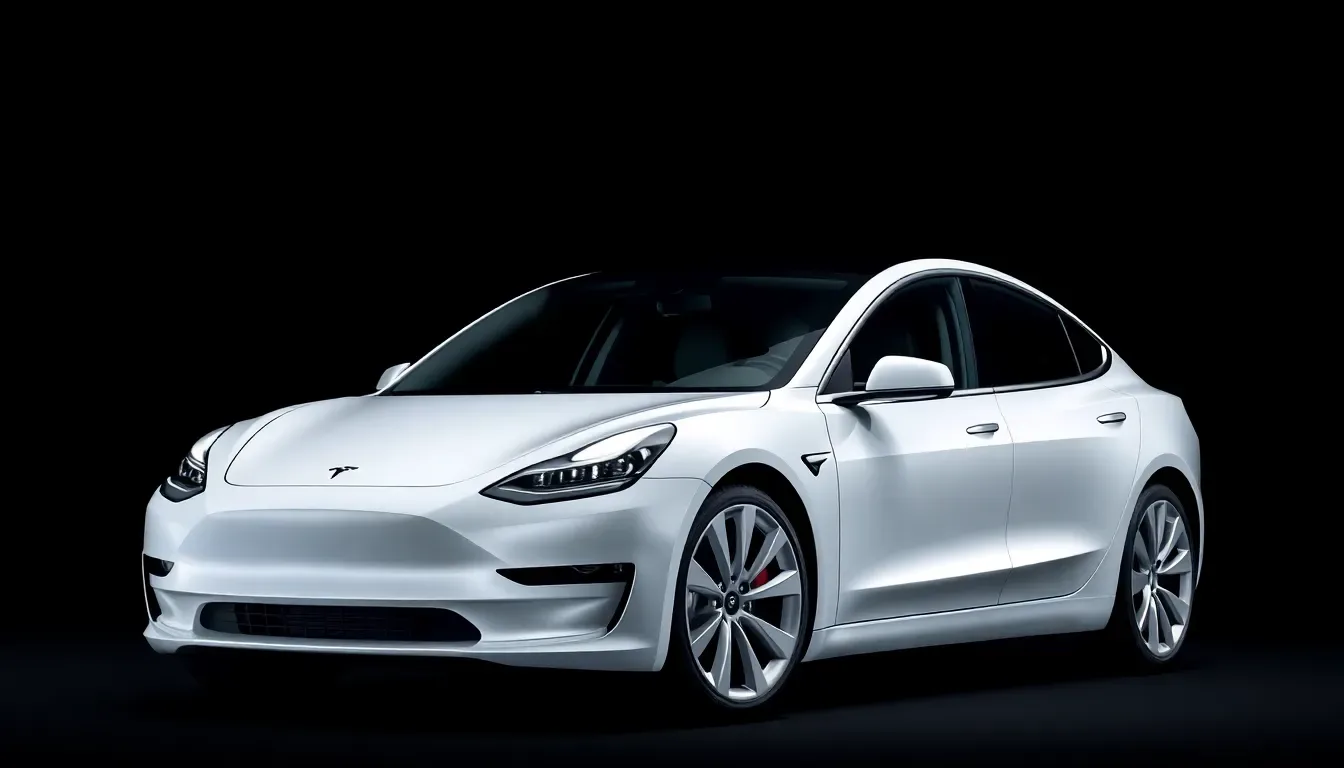
In a dynamic automotive market increasingly dominated by electric vehicles (EVs), Tesla is making waves once again. The introduction of a more affordable Model 3 variant in Europe signals a significant shift in the brand’s strategy. This move not only addresses consumer demand for budget-friendly options but also showcases Tesla’s adaptability in an evolving landscape.
This article delves into Tesla’s pricing strategies, its push for affordable vehicles, and the implications of these developments on the broader automotive market.
Tesla’s pricing strategy: A response to market trends
Tesla’s latest offering, the Model 3 Standard, has been launched at a competitive price point, aiming to capture the interest of budget-conscious buyers. Priced at approximately €37,970 in Germany, NOK 330,056 in Norway, and SEK 449,990 in Sweden, this variant is significantly lower than the premium trim, which starts at €45,970 in Germany. This strategic pricing is crucial as Tesla faces declining registration numbers across several European markets, as consumer preferences shift towards alternatives like the Volkswagen ID.3 and BYD Atto 3.
To maintain its competitive edge, Tesla has implemented a reduction in premium finishes and features associated with the Model 3 Standard, positioning it as an option with an “ultra-low cost of ownership.” The anticipated delivery of this model in the first quarter of 2026 aligns with a growing consumer trend favoring electric vehicles priced under €40,000.
The push for affordable vehicles in the Tesla lineup
This move towards lower-cost options is not an isolated effort; it follows the recent launch of a similarly priced Model Y variant and indicates a broader shift in Tesla’s product strategy. CEO Elon Musk has steered the company towards innovative technologies, including AI-driven initiatives such as robotaxis. However, the necessity for affordable vehicles remains a priority to support revenue streams in the immediate future.
Interestingly, reports indicate that Tesla had previously shelved plans for an entirely new $25,000 electric vehicle. Instead, the company has opted to create more economical versions of existing models. While some analysts have raised concerns about potential cannibalization of higher-margin vehicles, the introduction of the Model 3 Standard is a clear response to the competitive threat posed by lower-priced alternatives from both Chinese and European manufacturers.
Features of the new Model 3 Standard
The Model 3 Standard does not compromise on key performance metrics. Here are some notable features that make it an attractive option:
- Range: More than 300 miles (approximately 480 km), ensuring long-distance travel capabilities.
- Performance: Retains the acceleration and handling characteristics that have made the Model 3 a favorite among enthusiasts.
- Technology: Equipped with Tesla’s advanced software and features, ensuring regular updates and improvements through Over-the-Air (OTA) updates.
As Tesla continues to refine its offerings, the introduction of the Model 3 Standard exemplifies the company’s commitment to remaining a formidable player in the evolving electric vehicle market.
The impact of Tesla’s affordability strategy
The launch of the Model 3 Standard could have significant repercussions for the automotive industry, particularly in Europe, where the EV market is rapidly expanding. With many manufacturers introducing competitively priced electric vehicles, Tesla’s affordability strategy positions it well to capture a share of this growing market segment.
Analysts suggest that this move could prompt other manufacturers to rethink their pricing strategies, potentially leading to increased competition in the EV space. This scenario could benefit consumers by offering them more choices at various price points, ultimately accelerating the transition to electric transportation.
Technological advancements and Tesla’s future
Aside from pricing strategies, Tesla’s technological advancements play a crucial role in its market positioning. The introduction of Full Self-Driving (FSD) features, currently under testing in various regions, highlights the company’s commitment to innovation. Recent demonstrations have showcased FSD’s ability to navigate complex urban environments, making it a significant selling point for prospective buyers.
As Tesla continues to refine its driver-assistance technologies, the following factors will be pivotal:
- Regulatory Approval: Securing necessary approvals for FSD in Europe will be essential for its successful rollout.
- Consumer Trust: Building trust in the safety and reliability of autonomous features will influence consumer acceptance.
- Market Competition: Competing with other manufacturers offering similar or advanced technologies will drive Tesla to innovate further.
Conclusion: A new era for Tesla
The introduction of the Model 3 Standard and the broader push for affordability signify a new chapter for Tesla. As the company navigates the challenges of an evolving automotive landscape, its ability to balance innovation with consumer demands for affordability will be crucial. By doing so, Tesla not only reinforces its market position but also paves the way for a more inclusive future in electric mobility.