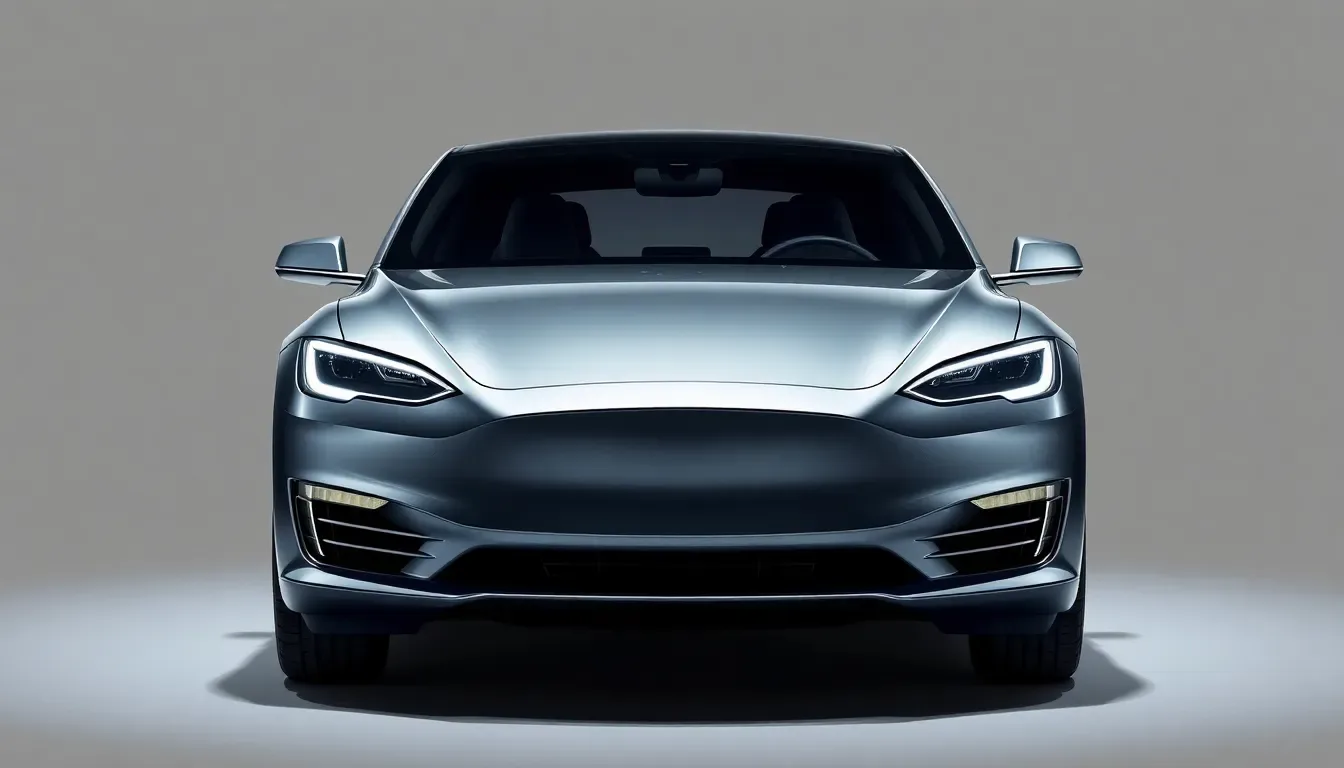
As technology continues to evolve, the intersection of autonomous driving and mobile device usage raises pressing questions about safety and regulation. Recently, Tesla CEO Elon Musk announced a notable update to the Full Self-Driving (FSD) software, suggesting it could potentially allow users to text while driving, depending on traffic conditions. This provocative claim has sparked discussions about the implications of such capabilities on driver safety and legal responsibilities. In this article, we explore the nuances of this development, including the testing process, results, and broader implications for autonomous driving.
Understanding the New Feature: Texting While Driving
Elon Musk’s statement regarding the ability to text while using the FSD software has stirred both excitement and skepticism. The functionality is said to depend on the “context of surrounding traffic,” which raises questions about how effectively the technology can assess these conditions.
Despite the advancements in FSD, it’s crucial to remember that using a phone while driving remains illegal in many jurisdictions. Drivers must stay aware of local laws that prohibit phone usage to ensure both their safety and that of others on the road.
Before diving into testing, it’s essential to consider the following factors:
- Traffic conditions: Are you in a low, medium, or high congestion area?
- Legal implications: What are the laws governing phone usage while driving in your area?
- Personal safety: How comfortable are you with the technology and its reliability?
Understanding these elements sets the stage for a responsible approach to using such features.
The Testing Process: Safety First
In an attempt to evaluate the texting feature, a test was conducted to measure how often the FSD system required the driver to look back at the road under different levels of traffic congestion. The objective was to identify how long one can interact with a phone without triggering alerts from the in-car monitoring system.
The testing was performed in three different traffic scenarios:
- Low congestion area
- Medium congestion area
- High congestion area
Throughout the test, the driver maintained a cautious approach, limiting phone interaction to brief moments while continuously glancing back at the road. This practice ensured that safety was prioritized, reflecting the inherent risks of multitasking while driving.
Results of the Experiment: Insights from the Field
Low Congestion Area
The first testing location was a local road with minimal traffic. The driver was able to interact with the phone for about five seconds before looking up to confirm safety on the road. Notably, there were no nudges from the system, indicating that the FSD could effectively manage this environment without requiring constant attention.
Regular glances at the road maintained situational awareness, showcasing that, in low-risk scenarios, the FSD may allow for brief interactions with a device.
Medium Congestion Area
In a more populated setting, the driver again limited phone usage to five seconds. Despite the increased traffic, there were no alerts from the FSD system, which raised questions about its sensitivity and responsiveness. The driver frequently checked the road, revealing a potentially concerning trend: the system’s leniency may not adequately address the risks inherent in busier environments.
High Congestion Area
The testing escalated on a highway, where the driver finally received an alert to return attention to the road. Interestingly, this scenario prompted a sense of comfort in looking at the phone due to the relatively constant speed and lower likelihood of sudden stops. However, the alert served as a critical reminder of the need for vigilance, even in seemingly safe conditions.
This phase highlighted a crucial aspect of the technology: while it may support certain interactions, the potential for distraction remains significant.
Personal Reflections on the Experience
Despite the promising functionality of the FSD, the driver expressed significant reservations about using the texting feature. Two primary concerns were identified:
- Liability: In the event of an accident, the driver acknowledged that liability would ultimately rest with them, despite any technological assurances provided by Tesla.
- Legal Risks: The driver highlighted local laws that prohibit even holding a phone while driving, emphasizing the importance of adhering to regulations to avoid legal repercussions.
Ultimately, the driver concluded that even with enhanced technology, the risks associated with texting while driving far outweigh the potential conveniences.
The Broader Implications of Texting While Driving Features
The introduction of texting capabilities within FSD raises critical questions about the future of autonomous driving and user responsibilities. As autonomous technology continues to advance, it is imperative to consider the following:
- Safety standards: What regulations need to be established to govern how these features are used?
- Public perception: How will users view the responsibility of manufacturers versus individual drivers?
- Technological reliability: Can we trust autonomous systems to manage driver attentiveness effectively?
As these discussions unfold, it will be essential for manufacturers, regulators, and drivers to collaborate on establishing best practices that prioritize safety while embracing innovative technologies.
The announcement of texting capabilities within Tesla’s FSD invites both excitement and caution. As this technology develops, it is crucial for drivers to remain informed and engaged in discussions about its implications. By prioritizing safety and adhering to legal guidelines, we can navigate the evolving landscape of autonomous driving responsibly.