As the electric vehicle (EV) landscape continues to evolve, companies are not only racing to innovate their products but also to establish themselves as leaders in the autonomous driving domain. Rivian, Tesla, and others are vying for market share, each with unique strategies that leverage cutting-edge technology. In this article, we explore Rivian’s ambitious plans for self-driving technology, Tesla’s recent partnership for insurance services, and the ongoing sales initiatives for the Model Y, providing a comprehensive look at the current state of the EV market.
Rivian rolls out self-driving technology to challenge Tesla
Rivian, a prominent player in the electric vehicle sector, recently showcased its advancements in autonomous driving technology during its AI and Autonomy Day in Palo Alto, California. CEO RJ Scaringe announced the launch of the Autonomy+ program, which offers a subscription service priced at $49.99 per month or a one-time purchase option of $2,500 for full access to its self-driving capabilities.
Unlike Tesla’s vision-only approach, Rivian’s system integrates a robust suite of hardware, including:
- 11 cameras for comprehensive visual coverage
- Five radar sensors to enhance spatial awareness
- A forward-facing LiDAR for precise distance measurement
This multi-faceted approach aims to create a more reliable and effective autonomous driving experience. Rivian’s self-driving chip, named RAP1, is set to revolutionize its capabilities, boasting a processing power of 1600 TOPS and performing over 800 trillion calculations every second.
The technology behind Rivian’s autonomous system
Rivian’s RAP1 chip represents a significant leap forward in autonomous vehicle technology, designed in-house and produced by TSMC, a key supplier to Tesla. The chip enhances the Autonomy Compute Module 3 (ACM3), Rivian’s third-generation autonomy computer. Some key specifications include:
- Processing power capable of handling 5 billion pixels per second
- RAP1’s low-latency interconnect technology, RivLink, which enables scalability
- Integration of an AI compiler and platform software for optimized performance
Additionally, the inclusion of LiDAR in future R2 models aims to achieve SAE Level 4 automated driving, allowing passengers to sit back and relax without needing to take control.
Future plans for Rivian’s autonomous fleet
Initially, Rivian’s autonomous services will focus on personally-owned vehicles instead of ride-hailing, though expansion into the rideshare market is anticipated. This strategic decision aligns with the company’s goal to capture a significant portion of the vast miles driven across the United States, paving the way for potential growth in ride-sharing services in the future.
Furthermore, Rivian plans to introduce Universal Hands-Free (UHF) driving, which will cover 3.5 million miles of roadways across the U.S. and Canada, responding to customer demands for more hands-free options.
Tesla teams up with Lemonade for innovative insurance solutions
In a groundbreaking move, Tesla has partnered with Lemonade, a tech-driven insurance company, to offer a new insurance program for its Full Self-Driving (FSD) capabilities. This collaboration aims to provide Tesla owners with coverage that could be “almost free,” according to Shai Wininger, President and Co-founder of Lemonade.
This insurance service is currently available to Tesla owners in California, Oregon, and Arizona, and features several advantages:
- Direct connection via the Lemonade app, eliminating the need for telematics devices
- Enhanced customer service through streamlined processes
- Competitive pricing structures powered by AI
Lemonade’s unique business model focuses on providing coverage through a flat fee upfront, with unclaimed premiums being donated to charity, making it an appealing option for many consumers.
The impact of Tesla’s insurance initiative
This new insurance offering is significant not only for Tesla’s customers but also for the overall safety perception of autonomous vehicles. Tesla’s FSD system has demonstrated a lower accident rate compared to the national average, with reports indicating it is nine times less likely to be involved in an accident. This could reassure potential buyers about the safety of using FSD, while also enhancing Tesla’s data collection efforts, critical for improving autonomous technologies.
Moreover, Tesla’s in-house insurance program, already available in twelve states, is expanding, with plans to enter additional markets such as Florida. This move underscores Tesla’s commitment to integrating various aspects of vehicle ownership, from driving to insurance.
Tesla Model Y discounts and sales strategies
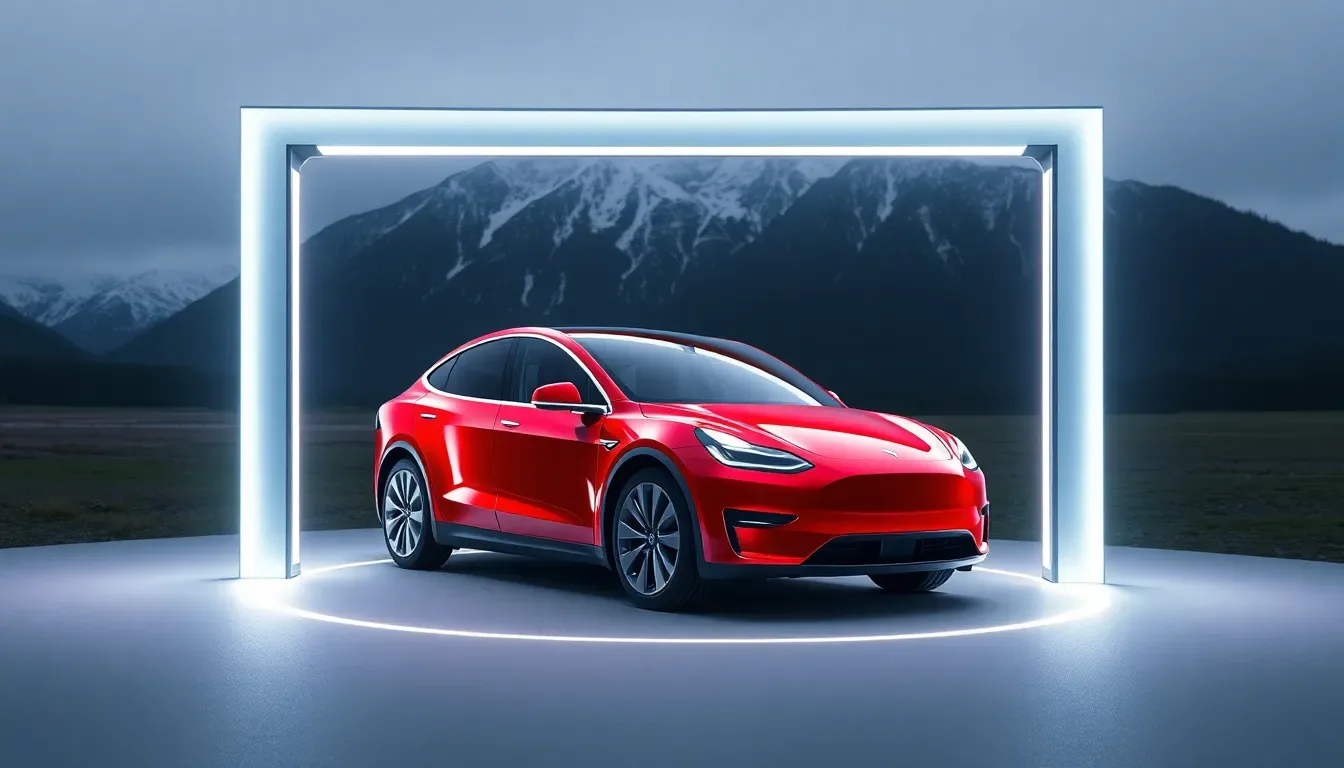
As Tesla approaches the end of the sales year, the company is implementing aggressive strategies to boost sales of its Model Y. Significant discounts are being offered, including up to $1,500 off the Standard trims and $2,000 off Premium trims. Additionally, customers are entitled to one free upgrade, such as a paint or interior color choice.
This pricing strategy aims to stimulate demand as Tesla looks to maintain strong sales figures. In the first three quarters of the year, Tesla surpassed 1.2 million cars delivered, although this represents a slight decline compared to the previous year.
Analyzing Tesla’s sales performance
The decline in sales growth is notable, as it marks the first year since 2020 that Tesla has not seen a year-over-year increase in deliveries. The anticipated drop of around 8% could be attributed to the elimination of the $7,500 EV tax credit, which previously incentivized buyers to purchase EVs.
Despite this, Tesla’s Q3 performance was its best ever, driven by a surge of customers eager to take advantage of the tax credit before it was phased out. Analysts predict that while 2024 may continue to show sluggish growth, advancements in autonomy and AI will play a pivotal role in Tesla’s future growth trajectory.
Looking ahead: Tesla’s focus on autonomy and AI
As Tesla navigates these challenges, the company’s emphasis is shifting from just vehicle delivery figures to the development of autonomous driving technologies. The integration of AI into Full Self-Driving capabilities, along with projects like the Optimus humanoid robot, highlights Tesla’s innovative spirit and long-term vision for the future of transportation.
These strategies not only aim to maintain Tesla’s competitive edge but also reflect the broader trends in the automotive industry, where companies are increasingly prioritizing technology and sustainability.