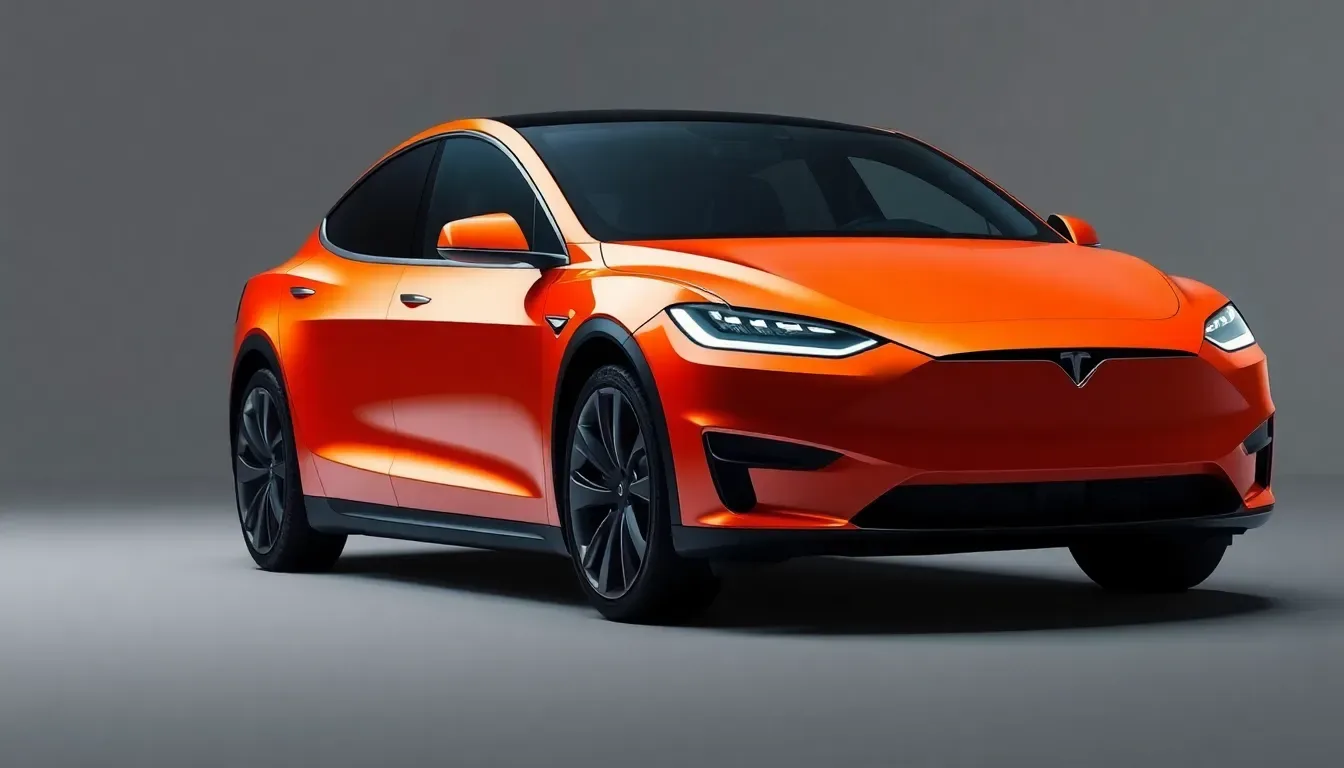
In a rapidly evolving automotive landscape, the competition in the electric vehicle (EV) market is fiercer than ever. Ford’s recent decision to halt production of the all-electric F-150 Lightning has sent shockwaves through the industry, particularly benefiting Tesla. As we delve deeper into this pivotal moment, we uncover the implications of this strategic pivot and how it positions Tesla at the forefront of the electric pickup segment.
Ford abandons the all-electric F-150 Lightning
In a surprising announcement, Ford has decided to discontinue the production of the all-electric F-150 Lightning after the 2025 model year. This move is a part of a larger strategy aimed at reshaping its electrification efforts. The company is set to incur a staggering $19.5 billion charge as it navigates this significant shift.
Ford’s pivot towards hybrids and extended-range electric vehicles (EREVs)—which incorporate an onboard gasoline engine to enhance driving range—signals a retreat from its ambitious plans for all-electric pickups. The decision reflects the challenges that traditional automakers face in adapting to a rapidly changing market, particularly in terms of profitability and consumer demand.
Impact on Tesla’s Competitive Landscape
Tesla stands to gain immensely from Ford’s withdrawal from the electric pickup arena. For the first time, the company will no longer have to contend with a major rival in the form of the F-150 Lightning, a vehicle that, at times, outsold Tesla’s offerings in the electric pickup segment. This opens up several opportunities for Tesla:
- Less Competition: With the F-150 Lightning’s exit, the Tesla Cybertruck faces significantly reduced competition in the full-size electric pickup market.
- Increased Market Share: Tesla can capture a larger share of the market, especially from consumers specifically seeking fully electric options without hybrid alternatives.
- Enhanced Brand Perception: Tesla’s status as the leading pure EV manufacturer is reinforced as Ford’s retreat underscores the difficulties legacy automakers face in scaling profitable electric vehicles.
Reduced Competition in the Electric Pickup Segment
The Ford F-150 Lightning was an important player in the electric vehicle market, often viewed as Tesla’s primary rival within the electric pickup category. With Ford’s recent announcement, the competitive landscape is shifting dramatically. The Cybertruck now finds itself in a much more favorable position. This change could lead to a notable increase in sales for Tesla, particularly among consumers who prioritize fully electric vehicles.
Fleet and retail buyers alike may now lean towards the Cybertruck, as it remains the only option for those committed to avoiding gasoline generators. This strategic advantage can translate into increased orders and visibility for Tesla in the electric vehicle market.
Strengthened Market Leadership and Brand Perception
Ford’s decision to pivot away from large electric vehicles highlights the inherent challenges that established automakers face in transitioning to electric platforms. Tesla’s established leadership in this segment benefits from Ford’s retraction, reinforcing its identity as a committed and effective manufacturer of pure electric vehicles.
As Ford faces unprofitability and a perceived lack of demand for larger electric models, consumer confidence in Tesla’s long-term viability is likely to grow. This shift may prompt prospective buyers to reconsider their choices, leading to increased interest in Tesla’s innovative products.
Furthermore, the decision could create apprehension among consumers considering other legacy automakers, leading to doubts about their commitment to electric vehicle technology.
The discontinuation of the F-150 Lightning opens the door for Tesla to expand its lineup, particularly in the larger EV segment. Tesla enthusiasts have long anticipated a full-size SUV, and with Ford reallocating resources away from large electric vehicles, Tesla is uniquely positioned to capture this market segment.
As Ford focuses on hybrids and extended-range models, Tesla can direct its resources towards fulfilling consumer demand for larger, high-capacity electric trucks and SUVs. This strategic shift may not only enhance Tesla’s market share but also solidify its reputation as an innovator in the EV space.
The Financial Implications of Ford’s Decision
The $19.5 billion charge that Ford plans to take as part of this restructuring is indicative of the financial challenges that come with transitioning to electric vehicle production. Ford’s losses in the EV sector have reached approximately $13 billion since 2023, highlighting the significant risks associated with this market shift.
Company executives have acknowledged the need to pivot away from large EVs that lack a clear path to profitability. This decision underscores the financial realities that many automakers face in the race to electrification. As Ford reallocates funds towards more profitable ventures, Tesla stands to benefit from the evolving landscape.
Conclusion: A New Era for Tesla and the EV Market
As Ford retreats from the electric pickup space, Tesla’s position as a market leader is reinforced. The opportunities for increased sales, enhanced brand perception, and the potential for market expansion in the large EV segment create a promising outlook for the company. With a focus on pure electric vehicles and innovative designs, Tesla is well-equipped to navigate the challenges of the evolving automotive landscape and continue its mission to lead the electric vehicle revolution.