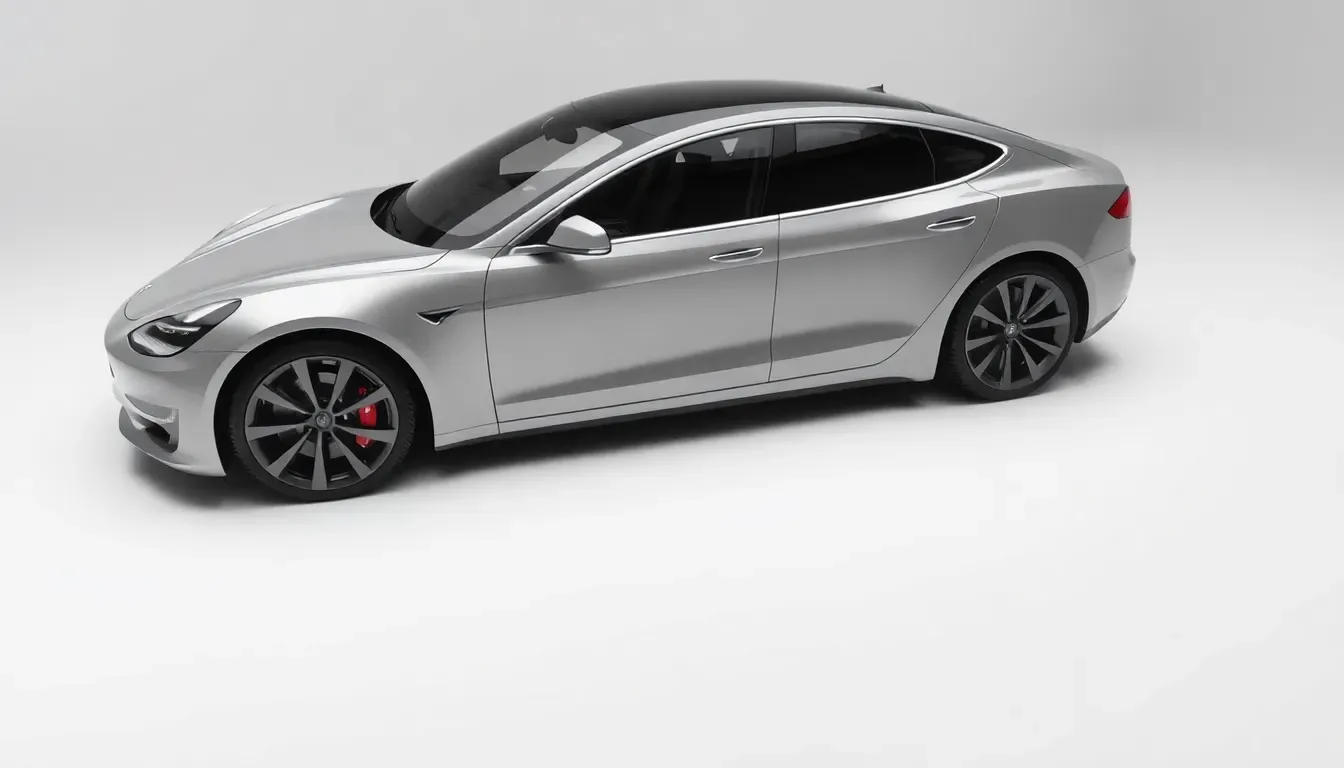
Recent discussions in the automotive world surrounding Tesla have raised numerous questions and concerns among buyers and enthusiasts alike. With evolving regulations, ongoing disputes, and new enhancements to its vehicles, Tesla remains a focal point in the electric vehicle (EV) market. Let’s delve into the latest developments that could impact potential Tesla owners.
Tesla addresses rumors of sales suspension in California
Tesla has recently clarified reports suggesting a looming thirty-day sales suspension in California due to a ruling by the state’s Department of Motor Vehicles (DMV). The controversy stemmed from a court’s decision that the automaker “misled consumers about its driver-assistance technology.”
According to Bloomberg, the California DMV considered imposing penalties on Tesla but opted to delay their implementation for ninety days. This pause was intended to provide Tesla with a chance to comply with the ruling.
In response to these claims, Tesla issued a statement asserting that the legal action was merely a “consumer protection” order related to the terminology used for its “Autopilot” feature. The company emphasized that it had not received any complaints from customers regarding this technology. Despite the ruling, Tesla maintained that their sales operations in California would continue without interruption.
In a post on X, Tesla reiterated:
“This was a consumer protection order about the use of the term ‘Autopilot’ in a case where not one single customer came forward to say there’s a problem. Sales in California will continue uninterrupted.”
This situation has triggered a backlash within the Tesla community, with many users expressing their dissatisfaction with the California government. Some vocal supporters pointed out that Tesla has significantly contributed to local employment and technological advancements, suggesting that the state did not fully appreciate these efforts.
Over the years, Tesla has utilized terms like “Autopilot” and “Full Self-Driving” (FSD) to describe its advanced driver-assistance features. Recently, the company added “(Supervised)” to the FSD designation, possibly as a preemptive measure against regulatory scrutiny. While this incident marks the first major conflict concerning the terminology related to FSD, the naming conventions have faced criticism at the federal level. Notably, former Transportation Secretary Pete Buttigieg has openly questioned the appropriateness of these designations.
Implications of new EV tax credit rules for Tesla buyers
In addition to the ongoing legal discussions, Tesla buyers are also navigating the complexities of new EV tax credit regulations. These changes could significantly affect potential buyers, especially those planning to purchase a Tesla before the end of the year.
According to a Tesla Sales Advisor, any orders eligible for the $7,500 tax credit must be completed, with delivery finalized by December 31, 2025. Failure to meet this deadline could result in buyers losing their tax credit eligibility, a situation that has raised concerns among many.
Moreover, it remains uncertain whether customers who place orders before September 30 can still claim the credit during their 2025 tax filings if their vehicle delivery occurs after the cutoff date. This ambiguity adds an extra layer of complexity for buyers who are eager to take advantage of the tax incentives.
The new regulations stipulate that:
- Delivery of the vehicle must occur by the end of the year.
- Buyers must take possession of the car by December 31, 2025, to retain eligibility for the tax credit.
- The U.S. government plans to close the tax credit portal, which facilitates claims at the Point of Sale.
As a result, many buyers find themselves in a challenging predicament, particularly those awaiting delivery of models like the Model Y Performance. While some customers have successfully received their vehicles, others may not see their deliveries until January, potentially resulting in full-price purchases without the anticipated tax relief.
Elon Musk’s ongoing feud with Bill Gates
In the realm of corporate rivalries, Elon Musk has once again taken a jab at Bill Gates concerning the latter’s short position against Tesla. This ongoing tension has roots in several past exchanges between the two tech titans, particularly regarding their differing views on sustainable energy and technology.
Gates has reportedly maintained a significant short position on Tesla, which Musk claims could have cost him over $10 billion. Musk recently reminded followers of this situation in a tweet:
“Bill Gates placed a massive short bet against Tesla of ~1% of our total shares, which might have cost him over $10B by now.”
This rivalry traces back several years, with Gates reaching out to Musk for potential philanthropic collaborations while simultaneously betting against Tesla’s success. Musk expressed skepticism about Gates’ intentions, highlighting the irony of seeking partnership while profiting from Tesla’s struggles.
In his previous remarks, Musk hinted that Gates should consider closing his short position before incurring further losses, especially as Tesla’s stock witnessed remarkable growth. This sentiment was reinforced following a surge in Tesla shares attributed to advancements in their Robotaxi initiative, which recently gained traction in testing.
Minor yet impactful changes to the Tesla Cybertruck
On the product development front, the Tesla Cybertruck has undergone subtle modifications that, while easy to overlook, hold considerable significance for manufacturing efficiency. These changes primarily focused on casting processes, as explained by Wes Morrill, the lead engineer of the Cybertruck program.
Despite the vehicle’s recent accolades, including a Top Safety Pick+ award from the Insurance Institute for Highway Safety (IIHS), attention to detail remains paramount. The IIHS’s rigorous testing protocols require vehicles to excel across various crash test scenarios, which the Cybertruck successfully accomplished.
Morrill disclosed that the adjustments made in April were intended to enhance manufacturability without compromising safety. Internal tests indicated that these changes would not negatively affect crash performance, which is crucial for consumer confidence in safety ratings.
Key attributes of the Cybertruck’s safety credentials include:
- Exceptional ratings in small and moderate overlap front, side, roof, and head restraint tests.
- Advanced front crash prevention systems that function effectively during both day and night.
- Compliance with stringent headlight standards across all trims, crucial for nighttime driving.
As Tesla continues to innovate and adapt to regulatory environments and consumer expectations, the developments surrounding its vehicles and corporate strategies will undoubtedly shape the future of electric mobility.