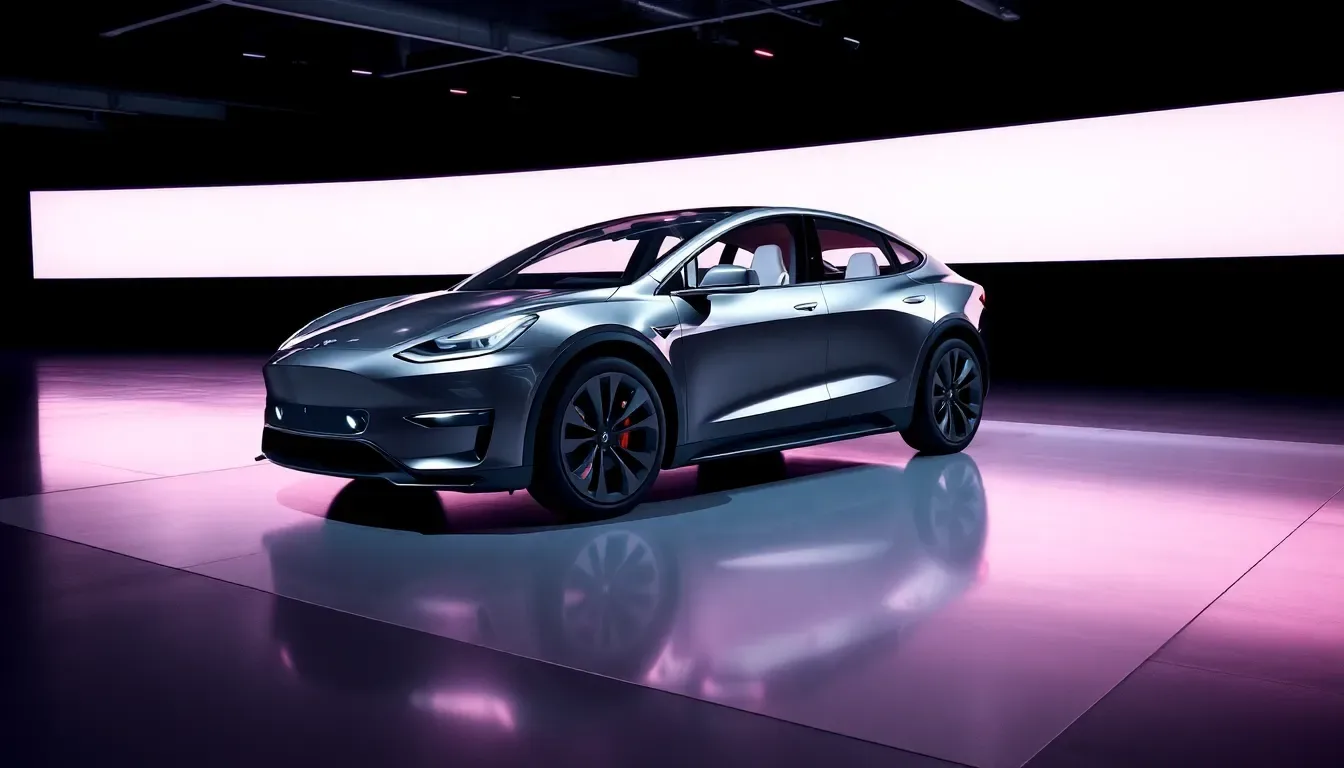
In the ever-evolving landscape of electric vehicles, Tesla continues to push boundaries with innovative designs and advanced technology. The recent unveiling of the Cybercab at Tesla’s showroom in San Jose, California, marks a significant step forward for the company, showcasing the refined aesthetics and functionalities of this autonomous two-seater. As the anticipation builds, let’s delve into the latest updates and features of the Cybercab, as well as what it means for Tesla’s future in the electric vehicle market.
Subtle but impactful design enhancements
The Cybercab presented in San Jose is not just any prototype; it’s a near-production-ready model that boasts key updates to both its exterior and interior. Tesla has made these adjustments to ensure a more refined and comfortable experience for future users.
- Frameless Window Design: This new feature enhances the modern aesthetic while improving aerodynamics.
- Extended Bottom Splitter: Located on the front bumper, this addition not only looks aggressive but also aids in airflow management.
- Updated Rear Hatch: Modifications to the rear hatch improve access and functionality.
- Production-Spec Front Lightbar: Integrated headlights provide better illumination and visibility.
- Improved Wheel Covers: These are designed for both aesthetics and functionality, contributing to the overall efficiency of the vehicle.
- Enhanced Windshield Wipers: The transition to two wipers instead of one effectively increases visibility during adverse weather conditions.
- Powered Door Struts: These mechanisms facilitate smooth opening of the vehicle’s butterfly doors, enhancing user experience.
Inside the Cybercab, Tesla has introduced several enhancements aimed at comfort and accessibility. The redesigned dashboard and door panels not only provide a modern look but also improve usability. The updated carpet material and seat cushions contribute to a more luxurious feel, while the addition of center cup holders and increased legroom further enhance passenger comfort.
Recent sightings and public reaction
The excitement surrounding the Cybercab has been palpable, with numerous sightings reported over the past few months. Notably, at the end of October, Tesla’s AI team shared a playful moment on social media, showcasing the Cybercab being driven through an In-N-Out drive-through by employees dressed in Halloween costumes. This light-hearted interaction not only captured the public’s attention but also highlighted Tesla’s innovative approach to product testing.
Enthusiasts noted several design cues during these sightings that hinted at the vehicle’s enhancements:
- Segmented daytime running lights (DRLs) and headlamps.
- Actual turn signals that provide clearer indications to other drivers.
- A sharper splitter design for improved aerodynamics.
- Larger door openings, hinting at a more spacious cabin.
These sightings have sparked a flurry of discussion among Tesla fans, with many expressing their excitement about the vehicle’s potential and its cutting-edge technology. The Cybercab embodies Tesla’s commitment to innovation, blending aesthetics with functionality.
Tesla’s response to sales concerns in California
In light of recent developments, Tesla has proactively addressed concerns regarding a potential sales suspension in California. Reports emerged that the California Department of Motor Vehicles (DMV) was considering a penalty against Tesla related to misleading claims about its driver-assistance technology. However, the company swiftly clarified the situation.
Tesla stated, “This was a consumer protection order about the use of the term ‘Autopilot’ in a case where not one single customer came forward to say there’s a problem. Sales in California will continue uninterrupted.” This response not only reassured current and potential customers but also emphasized Tesla’s commitment to compliance and consumer transparency.
Implications of new EV tax credit rules
As the landscape for electric vehicles continues to change, potential buyers face new hurdles regarding tax credits. A recent update to the EV tax credit regulations has raised concerns for many Tesla customers. It has been confirmed that any orders with the $7,500 tax credit applied must be completed by December 31, 2025. This means deliveries must occur by that date to qualify for the credit.
Key points regarding the new tax credit rules include:
- Delivery must be completed by December 31, 2025.
- Buyers must take possession of the car by the deadline to retain the tax credit.
- Orders placed before September 30 may still qualify, but verification is essential.
- The tax credit portal will close at the end of the year, affecting immediate claim options.
This recent development has left many buyers in a precarious position, particularly those who ordered models like the Model Y Performance but are awaiting delivery. Some customers have already received their vehicles, while others are left uncertain about their timelines, which could significantly impact their financial decisions.
Ongoing tensions between Elon Musk and Bill Gates
The rivalry between Tesla CEO Elon Musk and former Microsoft CEO Bill Gates continues to capture headlines. Musk recently took a jab at Gates regarding his short position against Tesla, which he claims has resulted in significant financial losses for Gates. Musk’s remarks suggested that Gates’s short bet against Tesla could have cost him over $10 billion, a testament to Tesla’s soaring stock value.
Citing their long-standing tensions, Musk recalled that Gates had previously expressed interest in philanthropy while simultaneously holding a short position against a company he claimed to support. This contradiction has fueled Musk’s critiques of Gates, emphasizing the irony of seeking collaboration while betting against Tesla’s success.
Some notable exchanges include:
- Musk’s statement on Gates’s short position: “Bill Gates placed a massive short bet against Tesla of ~1% of our total shares, which might have cost him over $10B by now.”
- Gates’s earlier admission to Musk about retaining the short position while discussing philanthropic opportunities.
- Musk’s warning to Gates to reevaluate his financial strategy with Tesla’s performance on the rise.
This ongoing back-and-forth between two titans of industry highlights the competitive nature of the electric vehicle market and raises questions about the future of collaboration in the tech and automotive sectors.
Conclusion
The unveiling of the Cybercab at Tesla’s San Jose showroom marks a pivotal moment for the company, reflecting its commitment to innovation and design excellence. As Tesla navigates potential hurdles, including regulatory scrutiny and evolving tax credit policies, the excitement surrounding its latest advancements remains strong. The tensions between industry leaders like Musk and Gates further illustrate the competitive landscape that Tesla must navigate as it strives to maintain its position at the forefront of the electric vehicle revolution.