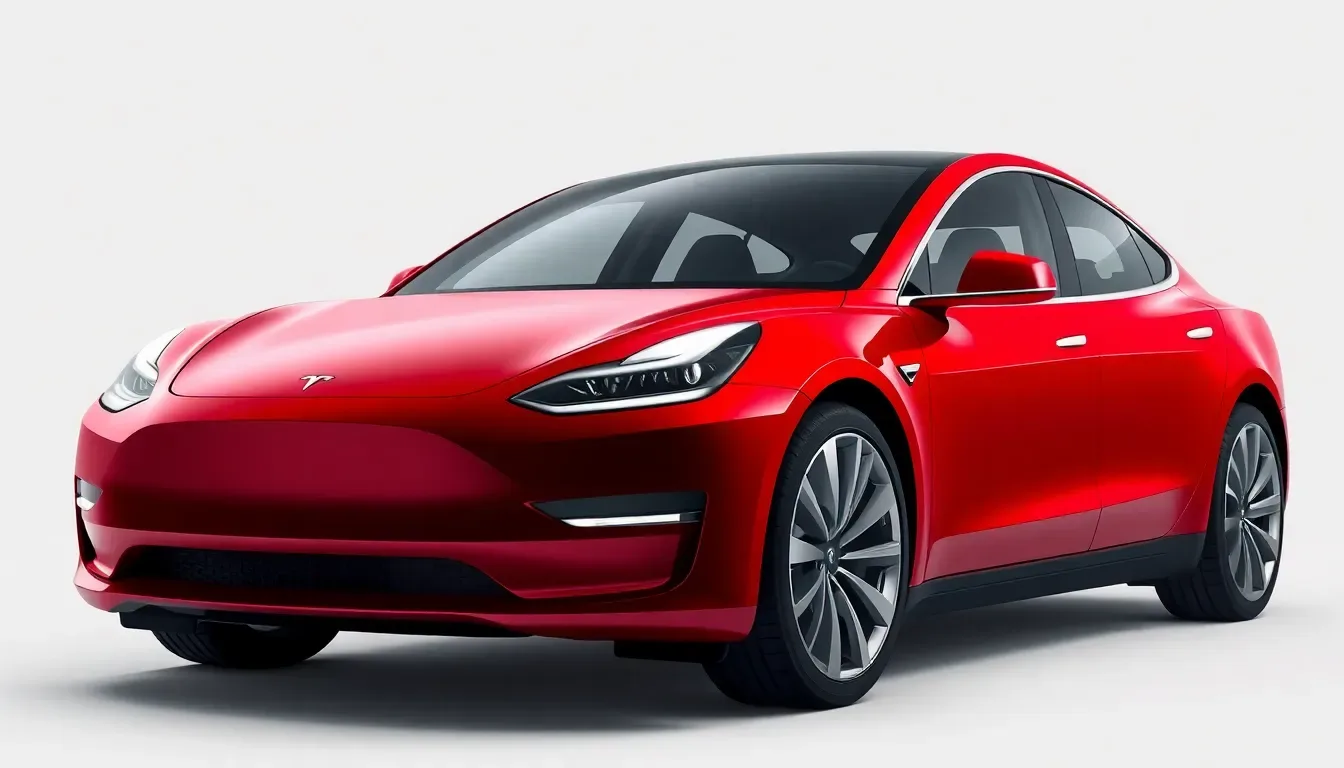
The electric vehicle revolution is not just about sustainability; it’s also about innovation and user experience. Tesla, as a pioneer in this field, is constantly adapting its strategies and features to align with user preferences and technological advancements. A recent development has emerged regarding the inclusion of key cards with Tesla vehicles, a feature that has long been a staple of their offerings. This article delves into what this change could mean for Tesla owners and the broader implications for the electric vehicle industry.
Tesla might phase out key cards for its vehicles
Tesla is reportedly considering eliminating the inclusion of key cards with its vehicles, a feature that has been present since the launch of its Model 3 in 2017. This shift appears to stem from the fact that many Tesla owners primarily rely on their smartphones for vehicle access through the Tesla App, rendering the physical key cards less relevant.
The key cards were designed to assist in the initial setup and operation of Tesla vehicles, providing an alternative access method. However, with advancements in mobile technology and the convenience of smartphone integration, many Tesla owners find the Phone Key more practical. This shift in user behavior raises the question of whether physical key cards are still necessary.
Recently, the language regarding the inclusion of key cards was removed from the Owner’s Manuals, leading to speculation about their future availability. The sentence stating, “Tesla provides you with two Model 3/Y key cards, designed to fit in your wallet,” was notably absent in the latest revisions. This change was first reported by Not a Tesla App, prompting discussions among Tesla enthusiasts and owners.
The role of key cards in Tesla ownership
Despite their diminishing relevance for many users, key cards have specific applications that still warrant consideration:
- Valet Services: Key cards can be used by valet attendants to access the vehicle without needing the owner’s phone.
- Emergency Access: In situations where a phone runs out of battery or is unavailable, key cards provide an essential backup.
- Accessibility: They allow individuals without smartphones or those who prefer not to rely on them to operate the vehicle.
For now, Tesla continues to sell key cards through its official shop for $40 each. However, as the trend towards smartphone access increases, it seems plausible that future models may not include these cards at all.
Cost-cutting measures and their implications
This potential change aligns with a broader strategy of cost-cutting within Tesla. By reducing unnecessary features, the company can optimize production costs and enhance operational efficiency. These savings could ultimately benefit consumers through more competitive pricing or reinvestment into research and development for innovative features.
Moreover, as Tesla launches more affordable models, such as the Standard Model Y, eliminating the key card inclusion could be a strategic move to further reduce production expenses. This reflects a growing trend in the automotive industry where companies are increasingly prioritizing digital solutions over traditional methods.
Insights from Tesla’s recent Full Self-Driving updates
In parallel with the discussions around key cards, Tesla continues to make significant strides in its Full Self-Driving (FSD) technology. Elon Musk recently confirmed that the FSD V14.2 update will see a wide rollout, following positive feedback on the previous V14.1.2 version from testers.
Improvements in Full Self-Driving technology
FSD V14.1.2 has garnered acclaim for its refinements, particularly in reducing indecisive lane changes and erratic braking. One enthusiastic tester remarked that they had not touched their steering wheel in days, underscoring the advancements made in the software.
Key features of the latest FSD updates include:
- Mad Max Mode: This new driving mode allows for faster speeds and more aggressive lane changes, enhancing the vehicle’s capability to navigate complex traffic.
- User Feedback: Many users have expressed a desire for a broader release of FSD, indicating a growing confidence in the system’s reliability.
- Safety Enhancements: Continuous updates aim to improve the safety and efficacy of FSD, addressing previous concerns from users.
Future of Tesla’s Cybercab and production targets
Another exciting development within Tesla’s ecosystem is the Cybercab, an autonomous vehicle designed to revolutionize urban transport. Recent sightings of Cybercab units at the Giga Texas facility have fueled speculation about their impending production.
According to reports, the Cybercab is expected to have an annual production target of approximately 2 million units, positioning it as Tesla’s highest-volume vehicle. This ambitious goal will rely on Tesla’s innovative “Unboxed” production process, which aims to streamline manufacturing similar to consumer electronics.
Transformations in the Boring Company’s Vegas Loop
As Tesla continues to innovate, the Boring Company’s Vegas Loop is also poised for changes. CEO Elon Musk announced that Tesla vehicles operating within the Loop will transition to driverless operation within a month or two, eliminating the need for safety drivers.
This change reflects the growing confidence in Tesla’s autonomous technology and marks a significant milestone in the company’s journey towards fully autonomous vehicles. The Vegas Loop, which currently connects several hotspots on the Las Vegas Strip, is set to expand significantly, with plans for over 100 stations spanning approximately 68 miles of tunnel.
In summary, Tesla is at the forefront of a transformative era in the automotive industry, continuously redefining what a vehicle can offer. As they consider phasing out key cards, enhance their FSD technology, and expand their Cybercab production, it is clear that Tesla remains committed to innovation that aligns with user preferences and future technological trends.