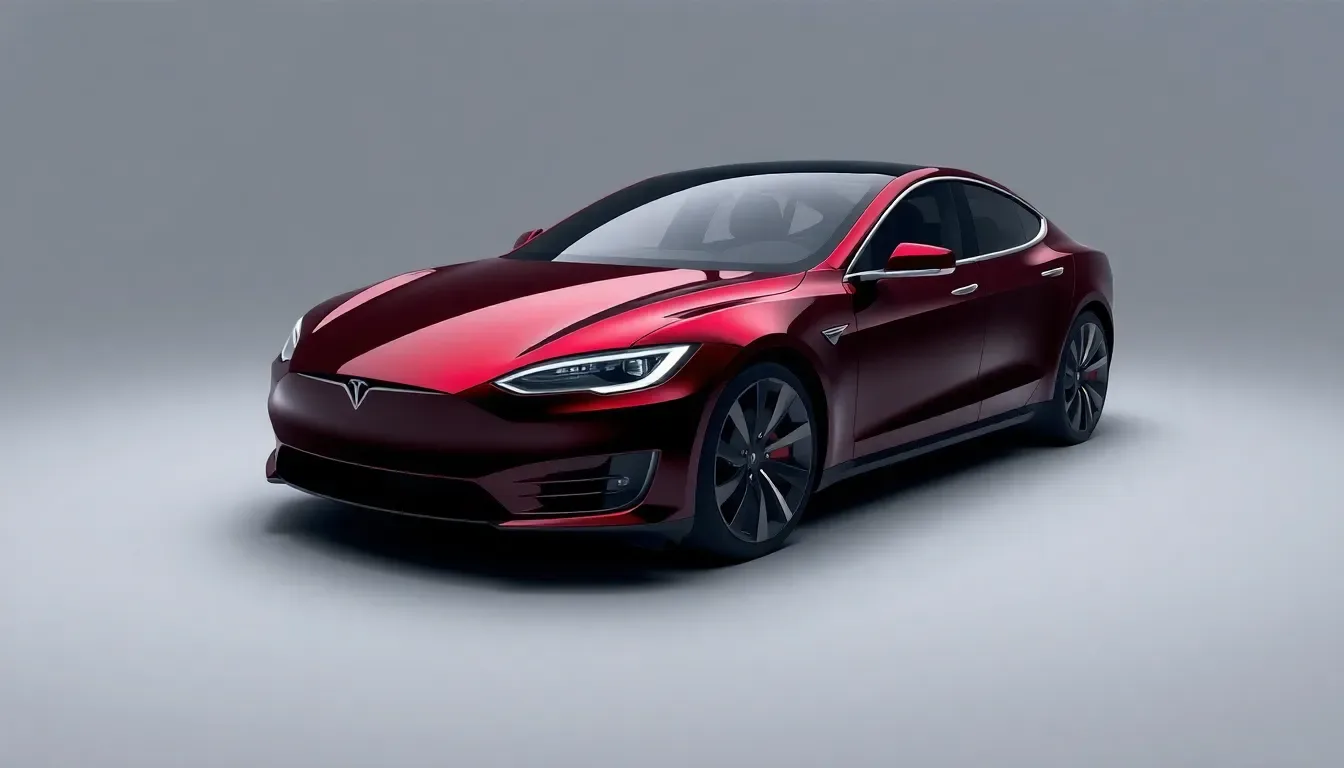
In the rapidly evolving landscape of autonomous vehicles, Tesla continues to capture the spotlight with innovative software updates and ambitious production plans. Recently, CEO Elon Musk confirmed that the highly anticipated Full Self-Driving (FSD) V14.2 will be rolled out widely, a move that has generated significant excitement among Tesla enthusiasts and potential customers alike.
As Tesla pioneers the future of transportation, the implications of these updates extend beyond just improved driving capabilities. This article delves into the recent developments surrounding Tesla’s FSD, notable features like Mad Max mode, the future of the Cybercab, and significant changes in the Boring Company’s operations in Las Vegas.
FSD V14.1.2 garners acclaim from users
The recent feedback from Tesla’s user community surrounding the FSD V14.1.2 update has been overwhelmingly positive. Prominent FSD testers, including the well-known Tesla owner AI DRIVR, have highlighted that the software has significantly improved, with approximately 95% of previous issues related to indecisive lane changes and braking now resolved.
AI DRIVR enthusiastically remarked, “I haven’t touched my steering wheel in two days. I think it’s time, Tesla AI,” reflecting a sentiment echoed by many fellow Tesla drivers who are eager for a wider release. Musk’s response to this feedback indicated that FSD V14.2 is set for a broad rollout, stating, “14.2 for widespread use,” a clear signal that Tesla is ready to take the next step in autonomous driving technology.
Mad Max mode takes driving to the next level
One of the standout features introduced with the latest FSD iteration is the Mad Max mode. This mode is designed for those who prefer a more aggressive driving style, allowing for higher speeds and more assertive lane changes compared to the previous “Hurry” mode. Videos shared by testers illustrate the vehicle’s capability to navigate complex traffic scenarios with ease, showcasing its ability to merge and maneuver safely yet decisively.
- Enhanced speed capabilities
- Frequent lane changes
- Improved handling in congested traffic
- Assertive yet safe driving behavior
Ashok Elluswamy, head of Tesla AI, noted the purpose of Mad Max mode is to optimize performance in heavy traffic, catering specifically to drivers who often deal with challenging commuting conditions. The buzz around FSD V14.2 suggests that soon, a broader audience will experience these enhancements, shifting perceptions about what autonomous driving can achieve.
Tesla’s potential elimination of key cards
In a surprising turn, it seems Tesla may phase out the inclusion of key cards with its vehicles. Traditionally, these key cards have been provided to assist with the initial setup process; however, many users have shifted towards utilizing the Phone Key feature through the Tesla app for everyday access.
Recent updates suggest that language regarding key card inclusion has been removed from vehicle Owner’s Manuals, indicating a potential shift in how Tesla envisions user interactions with their vehicles. This adjustment might reflect a broader trend towards digital solutions in automotive technology, as the company looks to streamline processes and reduce unnecessary components.
- Key cards historically included with vehicles
- Shift to Phone Key via the Tesla app
- Removed references in Owner’s Manuals
- Potential cost-saving measure for the company
While key cards serve other functions like valet service and emergency access when smartphones are unavailable, reliance on the Phone Key could signify a transformative shift in Tesla’s approach to vehicle access and ownership.
Cybercab sightings intensify speculation
As Tesla ramps up its preparations for the Cybercab, recent drone observations have revealed multiple units at Giga Texas. These sightings have sparked speculation about the nearing production phase of Tesla’s autonomous taxi service, which promises to redefine urban transportation.
The Cybercab, characterized by its sleek design and compact size, has been spotted covered near the crash testing facility, suggesting that Tesla is either decommissioning older prototypes or preparing new units for testing. Drone operator Joe Tegtmeyer noted that the presence of these vehicles indicates significant activity and progress in the development of the Cybercab.
Production targets for the Cybercab
Elon Musk has indicated that the Cybercab is anticipated to be Tesla’s highest-volume vehicle, with projections of an annual production rate of approximately 2 million units. The innovative “Unboxed” production process aims to streamline manufacturing, aligning Tesla’s output more closely with consumer electronics production rates.
- Projected annual production: 2 million units
- Utilization of the “Unboxed” production process
- Focus on high-volume manufacturing
- Integration of advanced autonomous technologies
This ambitious production goal illustrates Tesla’s commitment to expanding its footprint in the autonomous vehicle market, reinforcing its position as a leader in innovative transportation solutions.
Transformations in the Boring Company’s Vegas Loop
In another significant development, Elon Musk announced that Tesla vehicles operating within the Boring Company’s Vegas Loop will undergo substantial changes. Currently, the Loop employs Tesla Model 3 and Model Y vehicles to transport passengers through an underground tunnel system, connecting major hotspots on the Las Vegas Strip.
As the Loop expands to over 100 stations across 68 miles of tunnel, Musk has revealed plans to transition towards completely driverless operations. He expressed confidence that, “The Tesla cars operating in The Boring Company tunnels under Las Vegas will be driverless in a month or two,” eliminating the need for safety drivers in these vehicles.
- Current operations utilize Full Self-Driving suite
- Expansion plans include over 100 stations
- Focus on transitioning to driverless vehicles
- Timeline for eliminating safety drivers: 1-2 months
This move towards fully autonomous operation in the Vegas Loop represents a significant milestone in Tesla’s broader strategy to develop a fully autonomous transport ecosystem, which could have implications for urban mobility worldwide.