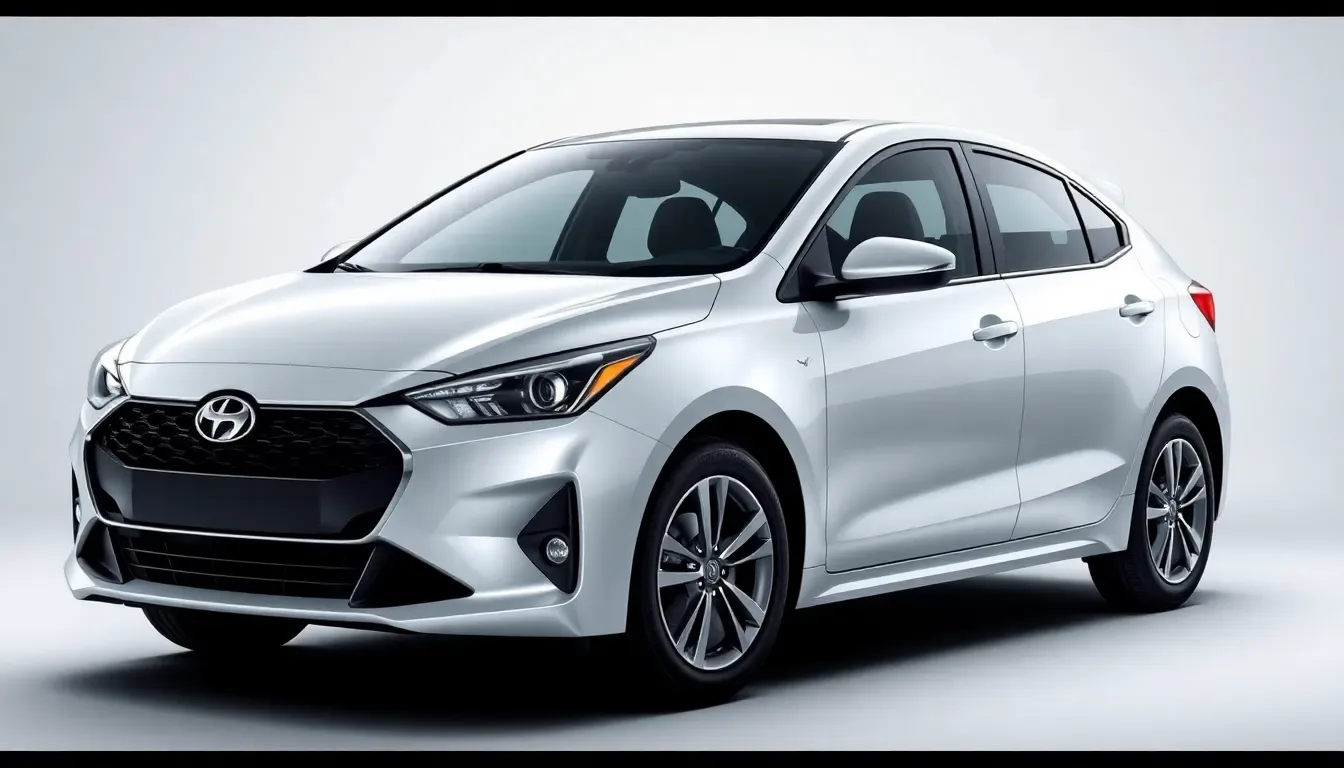
The automotive market is undergoing a significant transformation, with trends that reflect broader economic conditions and consumer behaviors. Recently, the average price of a new car has reached an unprecedented milestone, sparking discussions about what this means for potential buyers and the industry as a whole. In this article, we’ll explore the implications of rising car prices, the factors driving this shift, and how consumers can navigate this challenging landscape.
Current trends in new car pricing
As of September, the average price for a new car in the United States has surpassed $50,000, specifically hitting $50,080, according to data from Kelley Blue Book. This marks a historic moment in the automotive industry, highlighting a shift in consumer purchasing power and vehicle demand.
Industry analysts attribute this surge in prices to several key factors:
- Increased Demand for Electric Vehicles (EVs): With the growing emphasis on sustainability, many consumers are opting for EVs, which often come with higher price tags due to advanced technology.
- Low Loan Rates: Favorable financing options have made it easier for buyers to afford more expensive vehicles.
- Tariffs and Supply Chain Issues: Tariffs on imported vehicles and parts have added to the overall costs, influencing pricing strategies across the board.
Erin Keating, an executive analyst at Cox Automotive, notes that the current market is primarily supported by wealthier households, who are taking advantage of favorable loan conditions. This demographic is heavily influencing the higher-end market segment, pushing average transaction prices into new territory.
Understanding car debt levels among consumers
Alongside rising prices, car debt has also reached alarming levels. Recent reports indicate that over 25% of new car owners owe more on their vehicles than they are worth, with an average debt exceeding $10,000. This phenomenon, often termed as being “underwater,” poses significant challenges for consumers.
Ivan Drury, the director of insights at Edmunds, attributes this trend to loans taken out during the COVID-19 pandemic, when vehicle prices surged. Many consumers traded vehicles too quickly, accruing loans that are now difficult to pay off. This cycle of debt can hinder future purchasing power and financial stability.

Strategies for managing vehicle debt
For consumers grappling with high car debt, there are several strategies to consider to alleviate financial burdens:
- Delay Trading In: If possible, wait until you have paid down more of your loan balance before trading in your vehicle.
- Evaluate Vehicle Needs: Ensure that your next vehicle fits your budget and is not just a response to immediate needs.
- Consider Lower-Cost Alternatives: Look into more affordable vehicles that can help avoid piling on additional debt.
Joseph Yoon, a consumer insights analyst at Edmunds, emphasizes the importance of making informed choices when purchasing a vehicle. Adopting a strategic approach can prevent short-term decisions from leading to long-term financial setbacks.
The impact of depreciation on new cars
Understanding depreciation is crucial for car buyers. According to data from Carfax, a vehicle typically loses around 20% of its value within the first year of ownership, followed by a loss of approximately 15% each subsequent year. This rapid depreciation contributes to the challenges faced by car owners who find themselves owing more than their vehicles are worth.
For instance, if a new car is purchased for $50,000, it can lose $10,000 in value during the first year, making it essential for buyers to consider the long-term implications of their purchases.
Average car payments and financial planning
The average monthly car payment now stands at $749, according to Experian. This figure reflects the financial commitment that comes with purchasing a new vehicle, particularly as prices continue to rise. Prospective buyers should factor their monthly payments into their overall budget to avoid becoming financially stretched.
When planning for a vehicle purchase, consider these factors:
- Loan Terms: Longer loan terms can reduce monthly payments but may result in paying more interest over time.
- Down Payment: A larger down payment can significantly reduce monthly payments and total loan costs.
- Additional Costs: Include expenses such as insurance, maintenance, and fuel when calculating your budget.
Looking ahead: The future of car pricing
As we move further into 2025, the automotive landscape is expected to evolve. With advancements in technology and a growing focus on electric vehicles, it’s crucial for buyers to stay informed about market trends and pricing forecasts. Analysts predict that the average price of new cars will continue to be influenced by:
- Inflation Rates: Economic inflation can drive prices higher across various sectors, including automotive.
- Technological Innovations: As automakers invest in new technologies, the cost of vehicles may fluctuate accordingly.
- Consumer Preferences: Shifts towards more sustainable and technologically advanced vehicles will shape demand and pricing.
Navigating the complexities of the automotive market requires careful consideration and planning. With record-high prices and increasing amounts of car debt, consumers must be strategic in their vehicle purchases. By understanding market trends, evaluating financial circumstances, and making informed choices, buyers can position themselves for greater financial stability in the automotive landscape.