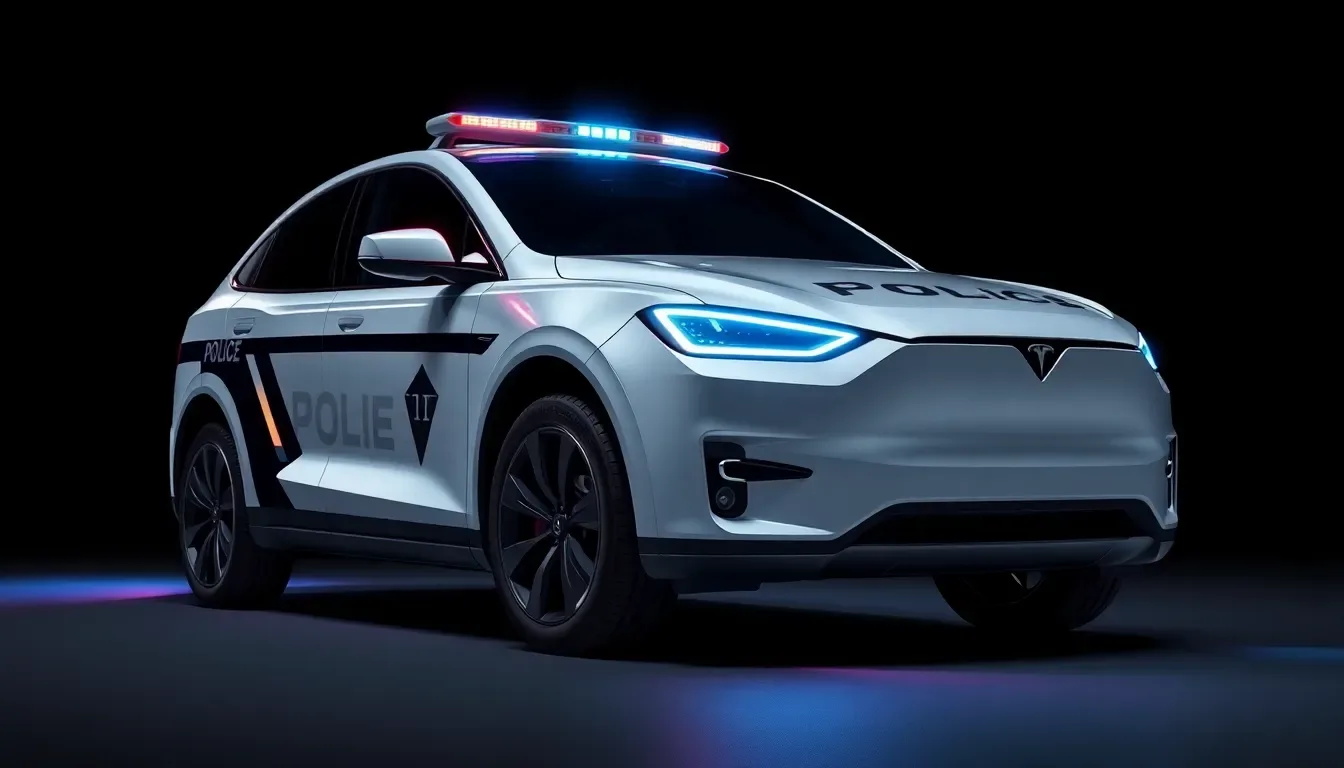
In a remarkable move towards modernization and efficiency, the Las Vegas Metropolitan Police Department has introduced a fleet of Tesla Cybertrucks. This initiative not only signifies a technological leap in law enforcement but also reflects a commitment to sustainability and fiscal responsibility. As these vehicles prepare to hit the streets, the implications for public safety and operational costs are substantial.
While the debut of the Cybertrucks has generated excitement, it also raises questions about the future of policing in an era increasingly defined by high-tech solutions. What does this shift mean for communities, and how will it change the daily operations of law enforcement? Let’s dive into the details.
High-tech patrol fleet
The Las Vegas Police Department has taken a significant step forward by integrating advanced technology into their patrol operations. The newly unveiled UP.FIT-modified Cybertrucks are designed to enhance law enforcement capabilities. Each vehicle is equipped with specialized features such as:
- Ladders and shields for tactical operations
- Less-lethal equipment for non-lethal interventions
- Integration with a drone response hub for real-time situational awareness
This drone system is particularly noteworthy; it utilizes facial recognition and gunshot detection technologies that trigger automated drone deployment during emergencies. Officers can access live video feeds from these drones, greatly improving their response time and effectiveness in critical situations.
Training has already been conducted for officers on how to operate these vehicles, with positive feedback reported on their performance. Sheriff Kevin McMahill emphasized the importance of blending human expertise with emerging technologies, noting that the Cybertrucks, along with other innovations like robot dogs, symbolize a significant evolution in community safety strategies.
Cybertrucks’ major savings
One of the most compelling advantages of the Tesla Cybertrucks lies in their cost-effectiveness. The Las Vegas Police Department has invested in ten of these vehicles, which are recognized for their domestic manufacturing, boasting around twice the local parts content compared to traditional patrol models from Ford and Chevrolet.
The projected savings from operating these electric vehicles are substantial. Each Cybertruck is expected to save the department between $8,800 and $12,000 in annual fuel costs and approximately $3,540 in maintenance over a five-year service life. These savings stem from several factors:
- Regenerative braking technology that reduces wear on brakes
- Factory-installed ballistic-resistant doors for enhanced safety
- No fuel idling costs, leading to lower operational expenses
Moreover, the quieter operation of electric vehicles contributes to a more peaceful community environment while also reducing the department’s overall carbon footprint. Sheriff McMahill has expressed confidence that each area command will benefit from these new patrol units, which will enhance both efficiency and community relations.
Community and environmental impact
The transition to electric vehicles like the Cybertruck not only benefits the police force but also aligns with broader societal goals of sustainability. As cities grapple with air pollution and climate change, electric patrol vehicles represent a step toward reducing emissions and promoting clean energy usage within municipal operations.
Furthermore, the introduction of these high-tech vehicles is expected to bolster public confidence in law enforcement. By showcasing advances in technology and environmental responsibility, the police can enhance their image as a progressive and community-focused institution.
Challenges and considerations
While the benefits of the Tesla Cybertrucks are considerable, there are challenges that law enforcement agencies must navigate. Some of the key considerations include:
- Infrastructure readiness: Charging stations must be accessible throughout the city to support the fleet.
- Training and adaptation: Officers need adequate training to become proficient with the new technology.
- Public perception: There may be skepticism or resistance to new technological approaches among certain community members.
Addressing these challenges will require careful planning and community engagement to ensure that the transition is smooth and beneficial for all parties involved.
Tesla’s influence on law enforcement
The introduction of Tesla vehicles into police fleets could set a precedent for other municipalities across the country. As law enforcement agencies look for innovative ways to enhance their operations, the potential for electric vehicles to play a significant role in policing is becoming increasingly evident.
Other cities may observe the results from Las Vegas and consider similar investments, potentially leading to a nationwide shift toward electric and smart policing solutions. This trend could transform not just how police departments operate but also how they engage with the communities they serve.
The future of policing with technology
As we look to the future, the integration of technology in law enforcement will likely expand beyond the Tesla Cybertruck. Emerging technologies such as artificial intelligence, advanced data analytics, and enhanced surveillance systems will continue to shape the landscape of public safety.
Key areas for potential development include:
- Increased use of AI for predictive policing
- Enhanced collaboration between police and tech companies
- Greater emphasis on community-based technologies for transparency and accountability
As these advancements unfold, the balance between leveraging technology and maintaining community trust will be crucial. Law enforcement agencies must remain vigilant in their commitment to ethical practices while embracing the benefits that technology can provide.
Conclusion
The deployment of Tesla Cybertrucks by the Las Vegas Metropolitan Police Department represents a bold step into the future of law enforcement. With significant cost savings, advanced technology, and a commitment to sustainability, these vehicles could redefine how police operate. As the impact of this shift unfolds, it will be essential to monitor both the benefits and challenges that arise, paving the way for a new era in public safety.