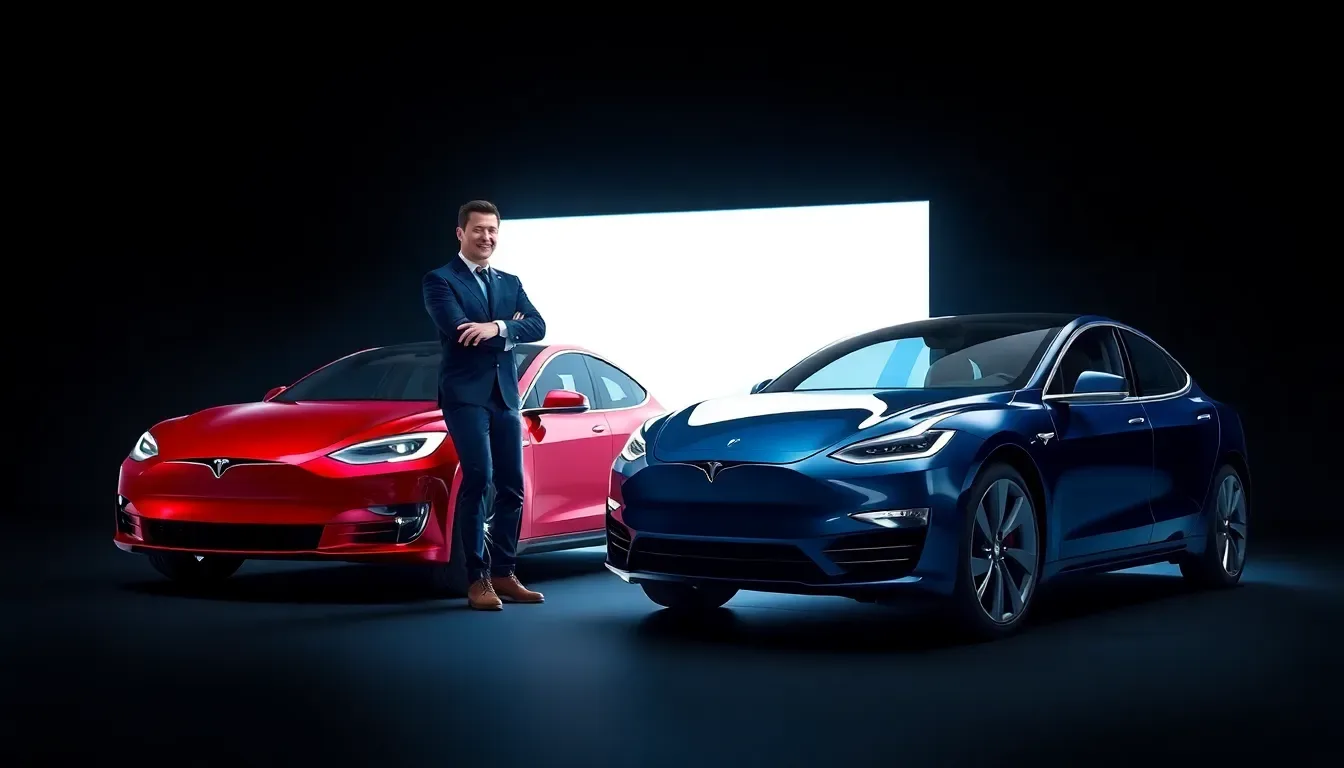
In a rapidly evolving automotive landscape, the tension between innovation and tradition has reached a boiling point. As Tesla continues to lead the charge in self-driving technology, the reluctance of legacy automakers to embrace this shift raises questions about their future viability. Elon Musk’s recent statements highlight a critical moment for the industry, where ignoring disruptive technologies could lead to dire consequences.
Elon Musk’s Warning to Legacy Automakers
In late November, Elon Musk expressed his frustration with legacy automakers, stating that he has “tried to warn” them about the importance of adopting Tesla’s Full Self-Driving (FSD) technology. He even offered to license Tesla’s FSD suite to these companies, yet his offers were largely met with disinterest. This situation mirrors Tesla’s own experiences over a decade ago when it was largely dismissed by established car manufacturers.
Since its inception, Tesla has positioned itself as a pioneer in self-driving technology, particularly in the United States. While there are emerging competitors, Tesla’s FSD stands out for its robustness and versatility, operating seamlessly across various terrains and conditions. Unlike its competitors, who often restrict their technology to specific areas or roadways, Tesla’s system is designed for universal application.
This ongoing situation reflects a troubling trend where legacy automakers ignore Tesla’s advancements, paralleling their previous disregard for electric vehicle (EV) technologies. Such reluctance to adapt could have serious ramifications, reminiscent of the industry’s initial dismissal of EVs, which forced traditional manufacturers to play catch-up.
The Challenge of Licensing Full Self-Driving Technology
Musk and Tesla have made multiple attempts to encourage other car manufacturers to adopt their Full Self-Driving technology. Despite these efforts, they have yet to find any serious takers. Discussions have been ongoing for years, but they have not resulted in substantial interest. Tesla aims to enhance FSD through extensive data collection and a larger vehicle fleet, leveraging strategies such as subscription models and free trials.
However, several factors contribute to the reluctance of competing companies to license Tesla’s FSD:
- Competitive Pride: Many legacy automakers are unwilling to rely on a rival’s technology.
- Regulatory Concerns: Navigating the regulatory landscape for self-driving technology can be daunting.
- High Costs: Licensing technology from another company often involves significant financial investment.
- Preference for In-House Development: Some manufacturers believe they can create superior self-driving systems internally.
The Historical Context: A Lesson from the Past
Tesla’s journey echoes a historical narrative in the automotive industry. In the early 2010s, executives from major manufacturers like Ford and GM downplayed the significance of sustainable powertrains, labeling them as niche or unprofitable. Musk highlighted a pivotal moment in 2014, when he noted that competitors began to recognize the potential of electric vehicles once the Tesla Model S disrupted the market and gained traction.
The launch of the Model 3 in 2017 marked a turning point for Tesla, as it introduced a mass-market vehicle to its lineup. This shift forced legacy automakers to confront the reality that they were losing market share to Tesla’s innovative offerings, which provided lower maintenance costs and a fresh perspective on personal transportation.
As a result, traditional companies hastily entered the EV market, but they have struggled to catch up in key areas such as:
- Sales: Tesla continues to dominate EV sales, leaving competitors behind.
- Charging Infrastructure: Many automakers depend on Tesla’s charging network to support their EVs.
- Technology Development: Legacy brands are often reactive rather than proactive in their approach to innovation.
The Repeated Underestimation of Disruptive Technologies
The historical pattern of underestimating disruptive technologies is evident in the current dynamics between Tesla and legacy automakers. Both EVs and self-driving technology represent significant paradigm shifts that threaten established business models, making it difficult for traditional players to adapt.
Currently, companies like Ford and GM are experiencing setbacks in their EV initiatives. For instance, Ford has had to scale back its EV efforts due to insufficient demand, while GM has faced challenges with its self-driving projects. These issues highlight the broader trend of legacy automakers falling behind Tesla and other competitors in both self-driving and electric vehicle markets.
As the industry evolves, the risk of short-term thinking could result in long-term setbacks. Traditional manufacturers may find themselves once again relying on Tesla, as they did with EV charging infrastructure, to pull them out of a challenging situation.
Implications for the Future of the Automotive Industry
The future trajectory of Tesla’s innovation indicates that the company will continue to gain momentum. Meanwhile, legacy automakers’ dismissive attitudes could have severe consequences, particularly as self-driving capabilities become increasingly integral to vehicle marketing in the coming years.
We may soon witness a shift where companies are compelled to form partnerships in response to economic pressures. While some manufacturers have attempted collaborations in the EV sector, the results have been less than fruitful. For instance, the partnership between Sony and Honda to create a mobility prototype has yet to demonstrate significant advancements.
The benefits of self-driving technology extend beyond mere convenience; they also play a vital role in enhancing vehicle affordability and safety. Recent data from Tesla indicates that its self-driving technology is substantially safer than human drivers, with a safety report showing that its Autopilot system is nine times safer than traditional driving methods. This data underscores the potential for self-driving technology to minimize accidents and improve road safety.
The Stakes of Ignoring Change
The automotive industry stands at a crossroads reminiscent of a decade ago when legacy automakers dismissed electric vehicles as mere novelties. Those who once crushed their own EV programs are now witnessing Tesla redefine industry standards while they scramble for capital to catch up.
Today, the same manufacturers are rejecting opportunities to license Tesla’s Full Self-Driving technology, clinging to the belief that they can develop superior systems internally, even as their own initiatives falter. This scenario is not merely a case of history repeating itself; it is a cautionary tale of the dangers of complacency in the face of technological advancement.
Elon Musk has consistently warned that the auto industry’s bureaucratic inertia and short-term focus could leave it stranded on the wrong side of technological revolutions. The pressing question is not whether Tesla is ahead, but whether the giants of Detroit, Stuttgart, and Toyota will finally heed these warnings before they find themselves watching another leader pull away into the distance.