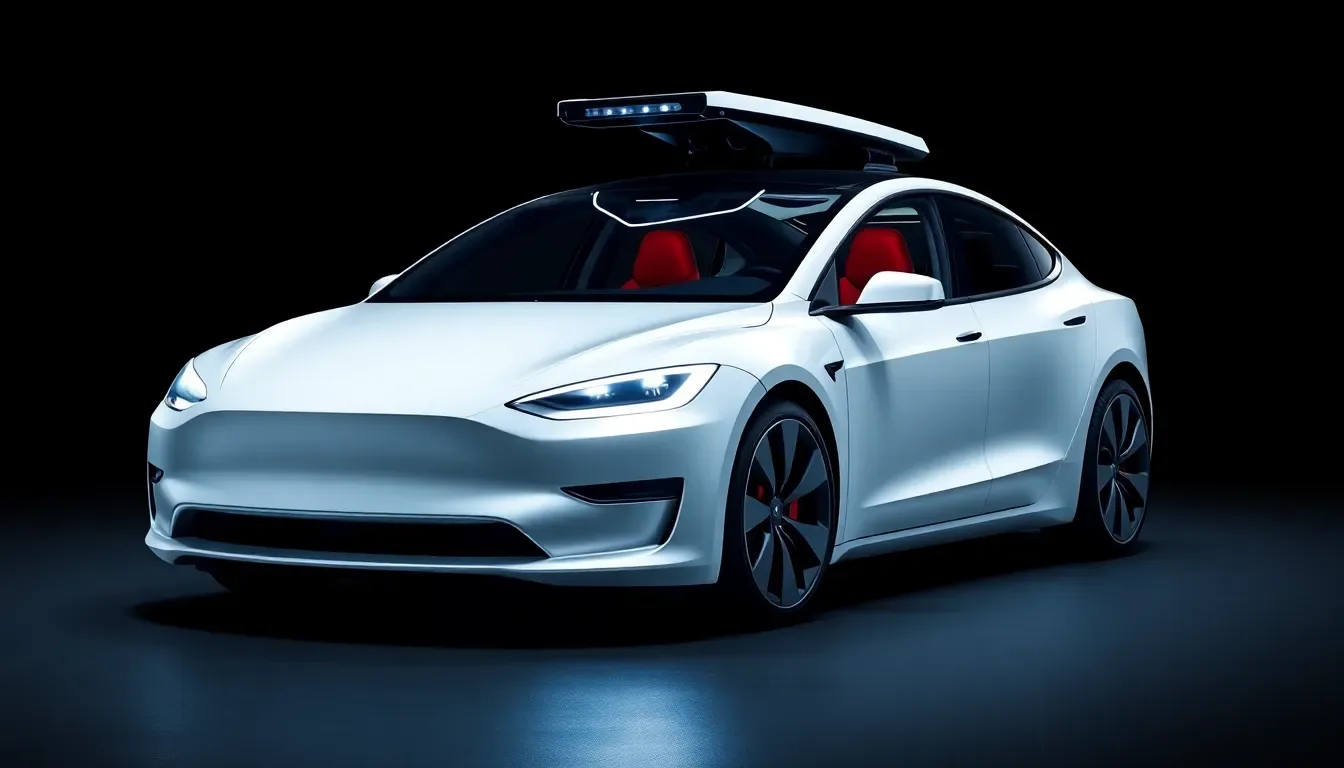
In the ever-evolving world of electric vehicles (EVs), Tesla continues to be a dominant force. Recent developments surrounding CEO Elon Musk’s compensation package and Tesla’s competitive edge in charging infrastructure highlight the ongoing challenges and triumphs within the company and the broader electric vehicle market. As the pressure mounts from shareholders and competitors alike, Tesla’s strategic decisions will be crucial for its future.
Elon Musk responds to criticism of his pay package
Elon Musk’s leadership at Tesla has always been a topic of spirited discussion, particularly when it comes to his compensation. Recently, he faced criticism from a former Tesla employee regarding his proposed pay package, which some shareholders deem excessive. This issue is expected to be a focal point at the upcoming Tesla Shareholder Meeting.
In response to the criticism, Musk’s retort was both pointed and succinct: “Tesla is worth more than all other automotive companies combined. Which of those CEOs would you like to run Tesla? It won’t be me.” This response underscores Musk’s confidence in his role and the value he believes he brings to the company.
The controversy surrounding Musk’s pay package centers on its massive potential value, estimated at $1 trillion, contingent on the achievement of specific performance targets. While many investors are in favor, a segment of institutional and individual shareholders, including the Institutional Shareholder Services (ISS), have voiced their dissent. They argue that such high compensation could diminish the board’s ability to adjust pay in the future and fail to align with shareholder interests.
- ISS has described the proposed pay as “extraordinarily high.”
- Critics argue that the package could lead to overcompensation without corresponding shareholder value.
- Former employees express concern about the long-term impacts on Tesla’s competitiveness.
This ongoing debate raises larger questions about executive compensation in high-growth companies and the balance between incentivizing leadership and ensuring shareholder welfare.
Tesla’s unchallenged leadership in EV charging infrastructure
As the electric vehicle market continues to grow, charging infrastructure has emerged as a critical factor in EV adoption. Tesla has consistently outpaced its competitors in this area, with significant investments in expanding its Supercharger network. According to recent data, Tesla installed a staggering 1,820 new charging stations in just one quarter, bringing its total to 34,328 across the United States.
This expansion gives Tesla a commanding market share of 53.2% of all charging stalls in the country, while its competitors, including ChargePoint and Electrify America, collectively installed only 841 chargers during the same period. The contrast is stark:
| Company | Chargers Installed (Q3) | Total Chargers | Market Share |
|---|---|---|---|
| Tesla | 1,820 | 34,328 | 53.2% |
| Competitors (Collectively) | 841 | 10,055 | 15.6% |
This disparity raises concerns about the ability of Tesla’s rivals to keep pace, especially as the demand for EV charging increases alongside the growing number of electric vehicles on the road. Many owners rely on home charging solutions, but public charging options remain essential for long-distance travel and for those without home charging access.
The future of the Tesla Roadster
Another exciting development for Tesla enthusiasts is the anticipated release of the Tesla Roadster, which has been delayed but is now back in the spotlight. Earlier this year, Musk promised fans an “epic demo” of the vehicle, and recent updates from Chief Designer Franz von Holzhausen suggest that the company is preparing for a significant showcase.
The Roadster is not just another vehicle; it’s considered one of the most awaited releases in the automotive industry, with initial plans for its launch dating back to 2020. However, Tesla’s focus on scaling up production of models like the Model Y and prioritizing advancements in autonomous driving has pushed the Roadster to the back burner.
- Franz von Holzhausen hinted at new paint options and features that will enhance the Roadster’s appeal.
- The vehicle is designed to showcase Tesla’s engineering prowess, promising to “test the limits of physics.”
- Despite its delayed release, the Roadster remains a symbol of Tesla’s innovation and ambition.
Although the Roadster is not central to Tesla’s core mission of revolutionizing transportation through AI and autonomous driving, it represents the brand’s commitment to pushing boundaries in the performance vehicle segment. Many eager customers have already placed substantial down payments, reflecting strong interest and expectations for the vehicle.
The broader implications for Tesla and the EV market
The discussions surrounding Musk’s compensation package, Tesla’s dominance in charging infrastructure, and the anticipated launch of the Roadster illustrate the complexities and dynamics of the electric vehicle marketplace. As competition intensifies, Tesla must navigate shareholder expectations while continuing to lead in innovation and infrastructure.
As the landscape of electric vehicles evolves, it is crucial for manufacturers to address both the technological advancements and the economic realities of operating in this sector. The coming months will be pivotal for Tesla as it seeks to maintain its lead while addressing the concerns of its shareholders and the broader market dynamics.