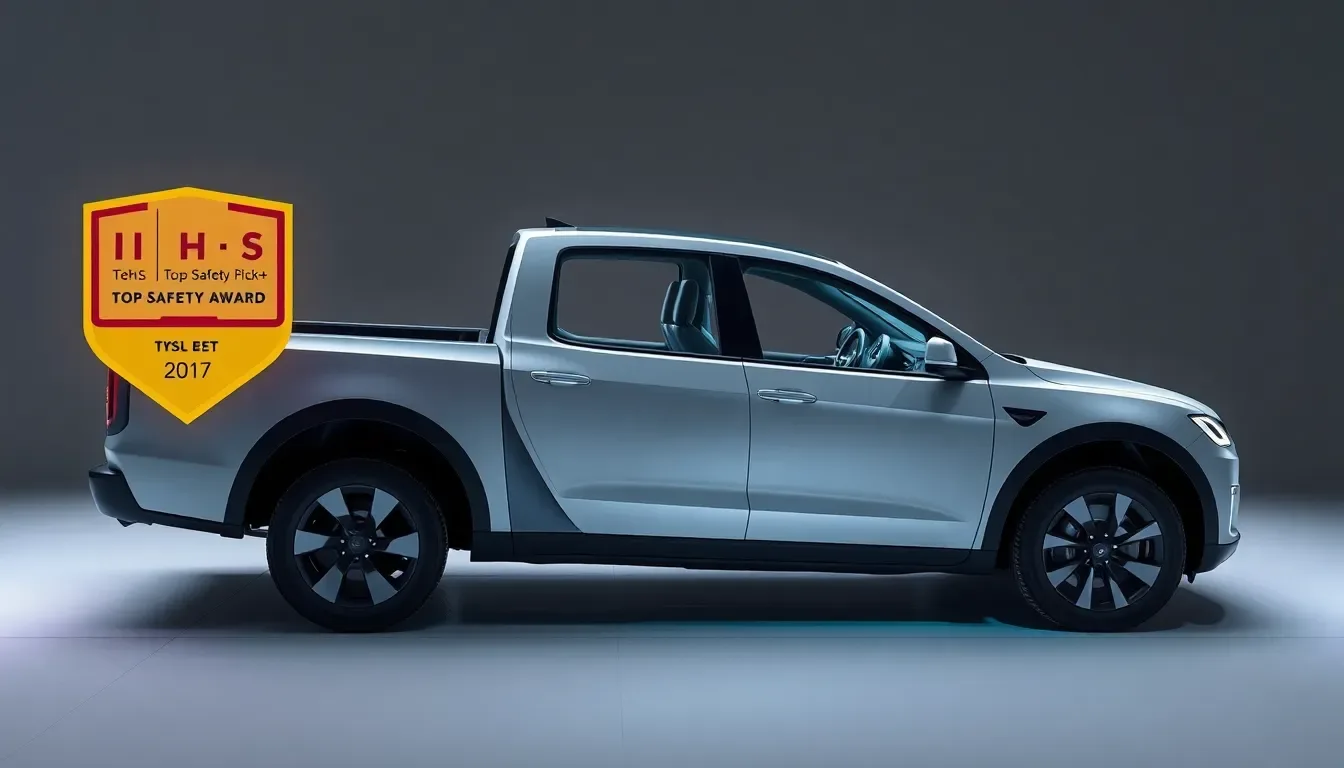
The evolution of electric vehicles has reached new heights with Tesla’s Cybertruck, a vehicle that has captured the attention of both enthusiasts and skeptics. As the company continues to innovate and expand its features, recent updates shed light on key enhancements and challenges faced by Tesla. In this article, we delve into the latest developments surrounding the Cybertruck, its cutting-edge technology, and the promising future it holds in the electrification of transportation.
Tesla informs Cybertruck owners about the upcoming Powershare feature
Tesla recently reached out to Cybertruck owners with an update on the highly anticipated Powershare feature, which remains under development. This feature is designed to enhance the vehicle’s capabilities by allowing it to act as a power source for various applications.
The Powershare feature is a bidirectional charging system that enables the Cybertruck to supply energy to homes, appliances, tools, and even other electric vehicles. Initially announced in late 2023, this feature is a crucial component of Tesla’s vision for vehicle-to-everything (V2X) energy sharing, where electric vehicles can contribute to the grid during peak demand or outages.
- Vehicle-to-Load (V2L): This allows the Cybertruck to power external devices directly.
- Vehicle-to-Home (V2H): The truck can provide backup power to homes in emergencies.
- Battery Optimization: Tesla aims to prioritize Powerwall discharge before utilizing the truck’s larger battery pack.
Despite the initial expectations of launching this feature in late 2024, Tesla has pushed back the release date to mid-2026. Many owners have expressed disappointment over these delays, especially those who opted for the Foundation Series of the Cybertruck, expecting the feature to be available upon delivery.
Wes Morrill, the lead engineer for the Cybertruck, acknowledged the challenges faced in seamlessly integrating Powershare with existing Powerwall systems. The complexities arise from the need for communication between devices without a network, making it essential to ensure safety and efficiency.
Tesla addresses light bar installation issues in Cybertruck
In a proactive move, Tesla has addressed a significant issue regarding the installation of the Cybertruck’s light bar. Following a recall that affected over 6,000 units, the company acknowledged a problem with the adhesive used to attach the light bar to the windshield.
The recall, initiated in collaboration with the National Highway Traffic Safety Administration (NHTSA), stemmed from concerns that the light bar was not adequately secured due to an incorrect surface primer provided by the adhesive supplier, Hella Romania S.R.L.
To rectify this issue, Tesla has developed a new installation method that involves physically mounting the light bar using a bracketing system rather than relying solely on adhesive. This change aims to enhance the durability and safety of the accessory.
Details of this new installation process are outlined in Tesla’s Service Bulletin SB-25-90-001, which explains how the remounting can be completed within a few hours, often by mobile service technicians without needing customers to visit service centers.
Customers will receive this fix at no additional cost, and Tesla has ensured that the light bar issue did not result in any accidents or injuries prior to the recall.
Delivery timeline for Cybertruck expands to new markets
As Tesla broadens its market reach, the Cybertruck is set to make its debut in the Middle East, with deliveries expected to commence in the first quarter of 2026. This news follows the successful launch of deliveries in the United States and Canada, which began in late 2023.
The initial pricing for the Cybertruck in the United Arab Emirates has been announced, with the Dual Motor All-Wheel-Drive variant priced at AED 404,900 (approximately $110,254) and the Cyberbeast trim at AED 454,900 ($123,869).
Wes Morrill confirmed this timeline, stating, “Coming soon! Estimated deliveries in Q1 for UAE.” The expansion to new markets is part of Tesla’s strategy to cater to a global audience eager for electric vehicles.
- Regional Pricing: Pricing varies significantly based on local markets.
- Regulatory Challenges: Tesla is addressing various regional regulations that affect vehicle design and safety.
- Market Demand: Anticipation for the Cybertruck remains high in multiple regions.
However, the path to international sales has not been without its hurdles. Regulatory agencies in Europe have raised safety concerns regarding the Cybertruck’s design, particularly its sharp edges, which may pose risks to pedestrians. In Asia, Tesla may need to consider developing a more compact version to meet local standards.
Understanding the impact of the Cybertruck’s design on safety regulations
The unique design of the Cybertruck, while innovative, has raised eyebrows among safety regulators. The vehicle’s angular aesthetics and sharp edges have been criticized for potentially compromising pedestrian safety.
This has led to various agencies in the EU arguing that the “blade-like” protrusions violate regulations that prohibit such features due to the risks they present. As Tesla navigates these regulatory landscapes, it must balance its design philosophy with safety considerations.
Despite these challenges, Tesla continues to explore ways to adapt the Cybertruck to meet evolving regulatory standards, including the potential for a more traditional pickup design or a compact version tailored to urban environments.
Future of the Cybertruck and its technology advancements
As Tesla continues to work on the Cybertruck, the focus remains on enhancing its technological capabilities and user experience. The integration of features like Powershare showcases Tesla’s commitment to innovation in the electric vehicle sector.
Furthermore, the company is exploring additional technologies that could further differentiate the Cybertruck in a competitive market. Some future possibilities include:
- Improved Battery Technology: Continued advancements in battery efficiency and performance.
- Enhanced Autonomy: Integration of advanced driver-assistance systems (ADAS) for a safer driving experience.
- Sustainable Materials: Utilizing eco-friendly materials in the manufacturing process.
The Cybertruck represents not just a vehicle but a bold step towards a sustainable future in transportation. As Tesla rolls out updates and expands its market presence, it will be essential to monitor how these developments affect the broader automotive landscape.