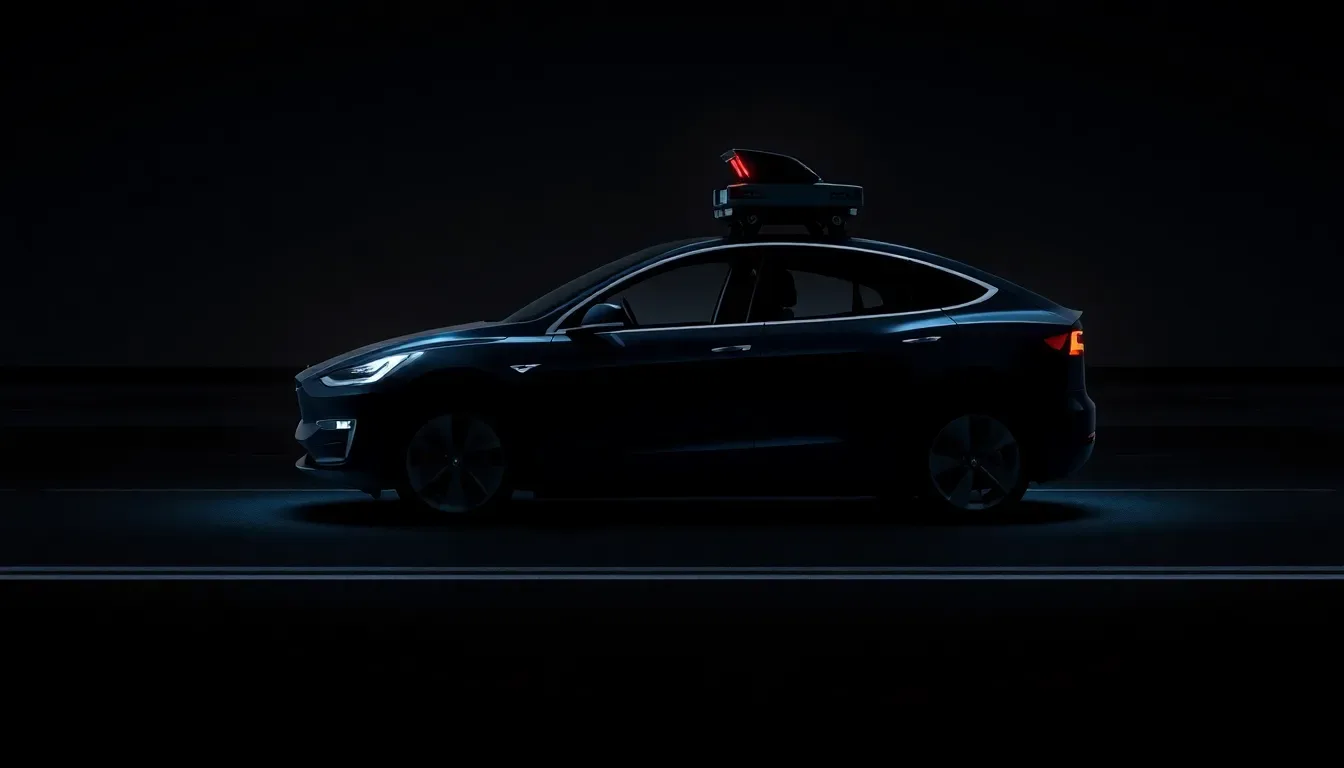
In an era marked by rapid advancements in automotive technology, Tesla is expanding its Full Self-Driving (FSD) program across Europe, enhancing the way drivers experience autonomous capabilities. This move not only reflects Tesla’s ambition but also highlights how the company is navigating complex regulatory landscapes while engaging with its growing fanbase.
As Tesla strides into the European market, the introduction of a ride-along program for its FSD suite marks a pivotal moment for both the company and its customers. Rather than merely relying on personal vehicles, Tesla is allowing users to book experiences through local showrooms, providing an immersive glimpse into the future of driving.
Expansion of the Full Self-Driving Program in Europe
Tesla’s recent expansion of its Full Self-Driving program started with a unique ride-along initiative in late November, initially available for residents in Italy, France, and Germany. This program quickly gained popularity, resulting in high demand and fully booked time slots.
To meet the enthusiasm of European customers, Tesla broadened the program’s reach and, on December 9, officially launched rides in Denmark and Switzerland, marking a significant milestone as these countries became the fourth and fifth to participate in the initiative.
The announcement was made via Tesla’s official channels, including a tweet that read:
Now available in Denmark & Switzerland
🇨🇭 Link
— Tesla Europe & Middle East (@teslaeurope) December 9, 2025
Understanding the Regulatory Environment
The rollout of the FSD program in Europe has not been without its challenges. Tesla has encountered substantial regulatory hurdles that have complicated the approval process. Despite successfully launching the ride-along experience, the company is still facing scrutiny from various regulatory agencies that are slow to adapt to emerging technologies.
CEO Elon Musk has openly addressed the difficulties of working with European regulators, describing the process as “insanely painful.” The main point of contention revolves around outdated regulations that do not adequately encompass Tesla’s innovative technologies.
As Tesla navigates these waters, it remains optimistic about securing needed approvals. Notably, the Dutch regulatory authority, known as the RDW, is currently assessing Tesla’s FSD suite, with hopes for a decision in the upcoming year.
- Challenges with outdated regulations
- Need for collaboration with regulatory bodies
- Efforts to prove the safety and efficacy of the FSD program
Consumer Engagement and Market Strategy
The ride-along program is part of Tesla’s broader strategy to engage customers directly and build a fanbase that advocates for the technology. By allowing consumers to experience FSD firsthand, Tesla aims to generate positive feedback that could influence regulatory reviews.
This approach serves dual purposes: it not only showcases the capabilities of Tesla’s innovative technology but also helps to mitigate concerns from regulators by demonstrating public support and interest. By capturing consumer experiences, Tesla hopes to present a compelling case for the FSD program’s adoption across Europe.
Looking Ahead: The Future of Tesla’s FSD in Europe
Tesla’s ambitions for its Full Self-Driving program extend beyond the current rollout. The company continually seeks to expand its technological capabilities while adhering to regulatory requirements. Future developments may include:
- Enhanced software updates to improve FSD functionality
- Broader geographic reach within Europe
- Increased collaboration with local regulatory authorities
Musk has indicated that the company is committed to providing a reliable and safe autonomous driving experience. The ongoing engagement with consumers through initiatives like the ride-along program is a testament to Tesla’s strategy of leveraging public interest to navigate regulatory landscapes.
As Tesla continues to push the boundaries of autonomous driving, the company’s efforts in Europe could set a precedent for how similar technologies are adopted globally. The interplay between consumer experience, regulatory approval, and technological advancement will be crucial in shaping the future of self-driving vehicles.