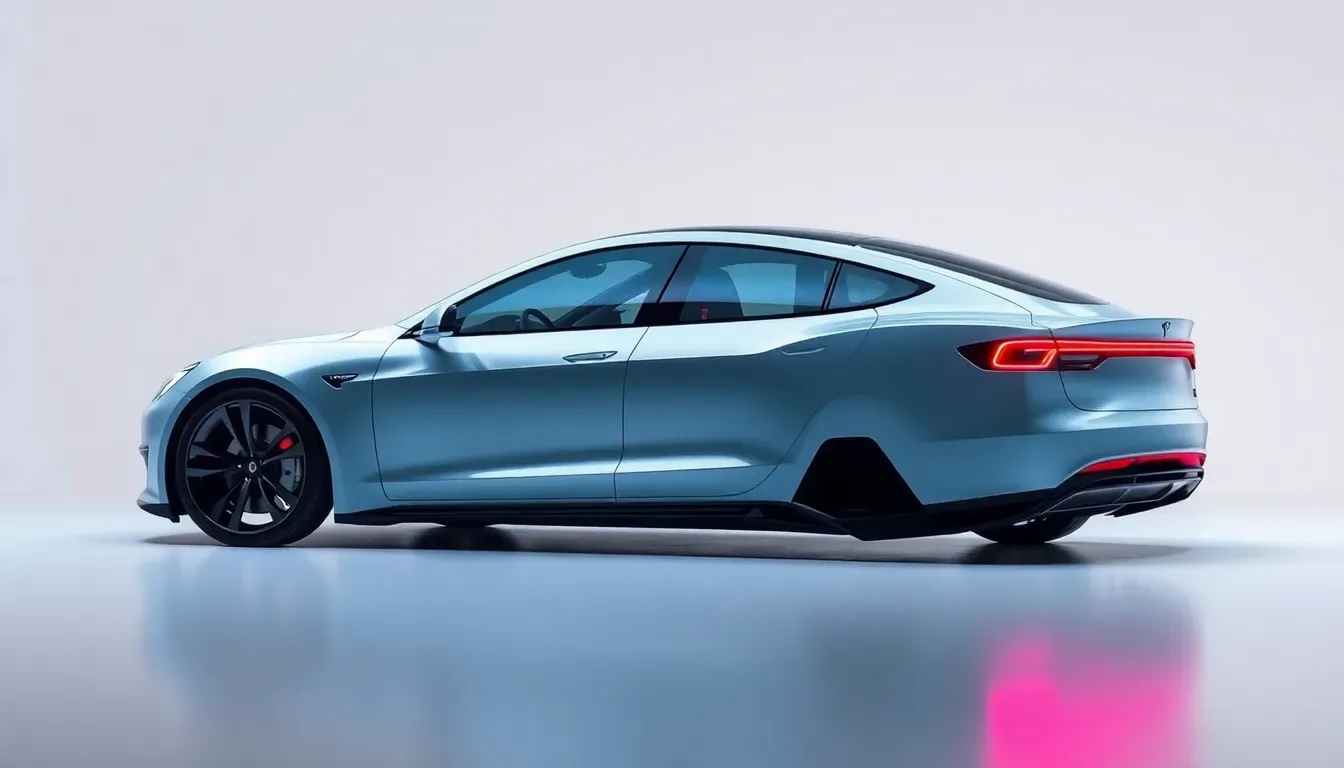
The future of autonomous vehicles is on the brink of a significant evolution, and Tesla is at the forefront of this revolution. With advancements in artificial intelligence and self-driving technology, the company is poised to unveil its latest Full Self-Driving (FSD) model, which CEO Elon Musk suggests could be the pivotal component in achieving fully autonomous driving. Let’s delve deeper into the implications of these developments and what they mean for Tesla and the broader automotive landscape.
Tesla’s latest developments in Full Self-Driving technology
Tesla is set to release its newest version of Full Self-Driving technology in the coming months. Elon Musk has characterized this model as potentially “the last big piece of the puzzle” necessary for Tesla to reach its goal of fully autonomous vehicles. During a recent Q&A session at the xAI Hackathon, Musk provided insights into the anticipated advancements.
One of the most exciting revelations was Musk’s confidence in the unsupervised driving capability of FSD, stating it is “pretty much solved.” This is a significant claim considering the complexities involved in developing a self-driving system that can operate without human oversight.
Key points from Musk’s announcement include:
- The new FSD model is expected to be released in January or February 2026.
- This model will be “an order-of-magnitude larger,” incorporating advanced reasoning and reinforcement learning techniques.
- Tesla plans to remove safety monitors from its Robotaxi fleet, which implies a major leap in trust towards their FSD capabilities.
The significance of the upcoming FSD model
The imminent release of the new FSD model represents a critical milestone for Tesla. Musk emphasized that the model will feature enhanced reasoning capabilities, which are crucial for navigating complex driving environments. The goal is to ensure that Tesla vehicles can respond to unpredictable situations just like a human driver would.
Moreover, Musk hinted at the need for a new chip fabrication facility to meet the demand for AI chips necessary to power these advancements. This suggests that Tesla is not just improving its software but is also investing heavily in the underlying hardware required to make full autonomy a reality.
Implications for the Robotaxi program
Tesla’s Robotaxi program is a cornerstone of its vision for the future. The plan to eliminate safety monitors indicates a level of confidence in the technology’s reliability. The transition to fully autonomous taxis could redefine urban transportation, offering a viable alternative to traditional ride-sharing services.
Consider the potential benefits of a successful Robotaxi rollout:
- Reduction in traffic congestion as more people opt for shared rides.
- Decreased transportation costs for users, as operating expenses may be lower without human drivers.
- Enhanced accessibility for individuals unable to drive due to age or disability.
Public perception and regulatory challenges
While Tesla’s advancements seem promising, public perception and regulatory hurdles remain significant challenges. Many consumers are cautious about the notion of fully autonomous vehicles. Addressing safety concerns is paramount, especially as Tesla moves towards a no-supervision model.
Elon Musk has been vocal about the need for regulatory bodies to adapt to the innovations in autonomous driving technology. However, the timeline for regulatory approval can be unpredictable, and the company must provide extensive safety data to gain public and governmental trust.
Comparative analysis with competitors
Tesla is not the only player in the autonomous driving game. Other automotive giants like Waymo, Cruise, and traditional manufacturers are also vying for a share of the self-driving market. Tesla’s approach, which combines aggressive AI development with rapid deployment, contrasts with competitors who may take a more cautious, incremental approach.
Here’s how Tesla’s FSD technology stacks up against the competition:
| Company | Technology Focus | Level of Autonomy | Deployment Status |
|---|---|---|---|
| Tesla | Full Self-Driving | Level 4 (in development) | Beta testing with select customers |
| Waymo | Robotaxi services | Level 4 (operational in select areas) | Public ride-hailing service |
| Cruise | Robotaxi services | Level 4 (operational in select areas) | Public ride-hailing service in San Francisco |
The future of Tesla’s Full Self-Driving
The next few months will be critical for Tesla as it prepares to launch its latest FSD model. As advancements continue to be made, the company is not only pushing the envelope in technology but also redefining the transportation landscape. Musk’s optimistic outlook suggests that significant breakthroughs are on the horizon, potentially leading to a future where human intervention in driving becomes a relic of the past.
As we approach the expected rollout, the excitement and anticipation surrounding Tesla’s FSD model will likely intensify. The question remains: will this new technology live up to its promise, and can it truly operate without supervision? Only time will tell, but the implications for the automotive industry and society at large are profound.