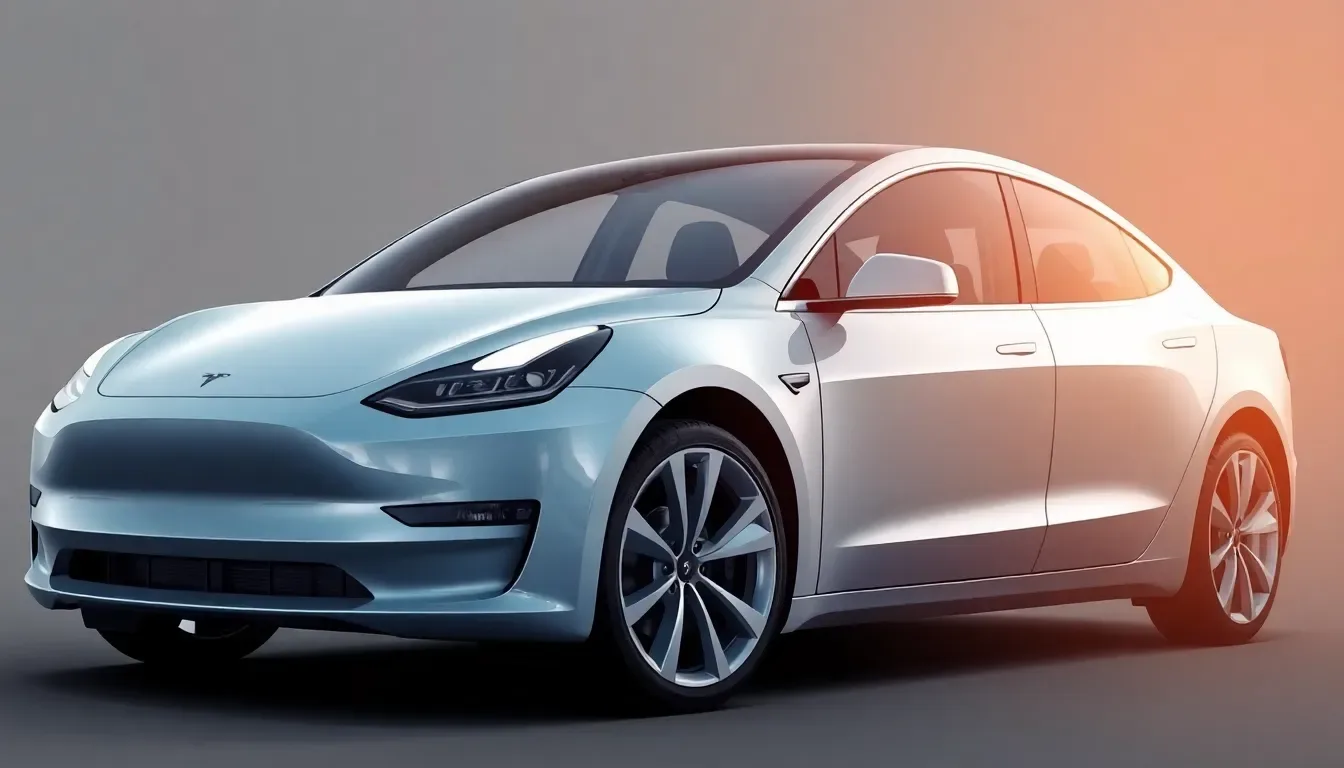
As the automotive landscape continues to evolve, Tesla is at the forefront of innovation, particularly with its Full Self-Driving (FSD) technology. Recently, an intriguing offer has emerged from Lemonade, an insurtech company, which could revolutionize how Tesla owners perceive insurance for their vehicles equipped with FSD. This article delves deeper into this offer and the implications it could have for Tesla drivers, the insurance industry, and the future of autonomous vehicles.
Lemonade’s Bold Insurance Proposal for Tesla Full Self-Driving
Shai Wininger, co-founder and president of Lemonade, recently made headlines by proposing an insurance plan for Tesla vehicles that utilize FSD technology. His enticing statement suggested insuring these vehicles for “almost free,” an offer that has captured the attention of both Tesla enthusiasts and the insurance community.
The proposal comes at a time when traditional insurance rates for Tesla vehicles tend to be higher compared to other brands. This discrepancy is largely attributed to the advanced technology and unique structural designs found in Tesla cars, which often lead to elevated repair costs. Nevertheless, the advent of FSD technology has sparked discussions among tech influencers and entrepreneurs about the potential for reduced insurance premiums, given the improved safety metrics associated with FSD.
Understanding the Safety Claims of Full Self-Driving Technology
One of the pivotal arguments supporting Wininger’s proposal is the growing body of data that suggests Teslas operating under the FSD suite are significantly safer than human drivers. According to recent reports, including the Tesla vehicle safety report, vehicles equipped with FSD demonstrate up to ten times lower accident rates compared to traditional driving methods.
- Improved accident avoidance capabilities.
- Advanced sensors and AI that monitor driving conditions in real-time.
- Reduced driver error due to automated systems.
These metrics bolster the argument for lower insurance costs, as the risk associated with insuring safer vehicles is inherently lower. Winingger’s proposal taps into this narrative, aiming to attract Tesla owners by providing a value-driven insurance model.
Integration of Tesla API and its Impact on Insurance
The integration of Tesla’s application programming interface (API) with Lemonade’s platform is particularly noteworthy. This collaboration aims to eliminate the need for traditional usage-based insurance (UBI) devices, making it easier for Tesla owners to activate the insurance service. By leveraging the rich data provided by Tesla’s API, Lemonade can offer a more accurate assessment of driving behavior and risk, which is a significant departure from conventional insurance methodologies.
Winingger emphasized that this integration not only simplifies the insurance process for Tesla drivers but also helps in cutting associated hardware and shipping costs, which could lead to further reductions in insurance premiums.
The Scope of Lemonade’s Insurance Offering
Lemonade’s insurance offering is set to be particularly beneficial in states where Tesla’s in-house insurance program has not yet been established. Currently, Tesla Insurance is operational in twelve states and is actively seeking to expand its reach, especially in states like Florida. This presents a unique opportunity for Lemonade to fill the gap for Tesla owners in areas where Tesla’s own insurance is unavailable.
By providing a stable and accurate insurance option, Lemonade’s plan could incentivize Tesla owners to adopt and utilize the Full Self-Driving suite more frequently. This could, in turn, enhance the overall user experience and further validate the technological advancements made by Tesla.
The Future of Autonomous Vehicle Insurance
The discussion around insuring Tesla vehicles equipped with FSD technology is part of a larger trend towards the development of insurance models tailored for autonomous vehicles. As the technology continues to mature and more vehicles become capable of autonomous operation, the insurance industry will need to adapt.
- Customized policies based on real-time data and driving patterns.
- Integration of telematics and AI for risk assessment.
- Potential for pay-per-mile insurance models that reflect actual usage and driving behavior.
Insurers will need to rethink traditional actuarial models that have historically been based on human driver behaviors. As autonomous systems demonstrate higher safety standards, this could lead to a fundamental shift in how risk is assessed and premium rates are established.
Conclusion: A New Era for Tesla Owners?
The offer from Lemonade to provide insurance for Tesla’s Full Self-Driving miles at an almost negligible cost presents an exciting opportunity for Tesla owners. Not only could this model lead to significant savings on insurance premiums, but it also highlights the recognition of FSD technology’s potential to enhance road safety. As Tesla continues to innovate, the relationship between autonomous driving and insurance will undoubtedly evolve, paving the way for more accessible and affordable options for all drivers.