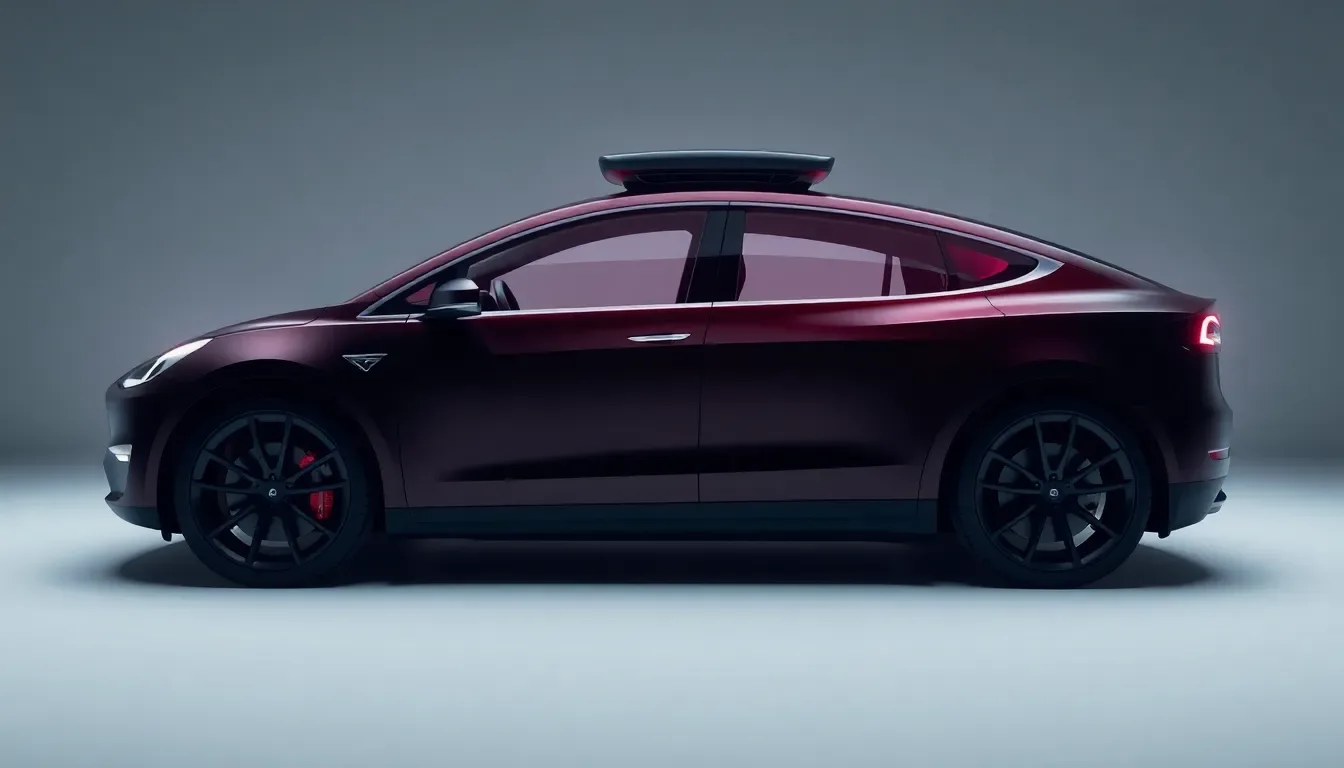
Tesla continues to innovate and expand its workforce, particularly with the development of its much-anticipated Cybercab. As the company ramps up hiring for this groundbreaking vehicle, the implications for the automotive industry and the future of transportation are profound. With a focus on cutting-edge technology and a unique production approach, Tesla is setting the stage for a new era in electric vehicles.
In recent updates from Tesla’s Careers website, it is clear that the company is actively seeking skilled professionals to join its Cybercab production team at Giga Texas. This hiring surge indicates not just an increase in workforce but a significant commitment to bringing the Cybercab to market.
Hiring ramp-up for Cybercab production
According to Tesla’s Careers page, three new positions related to the Cybercab project have been listed. These include:
- Metrology Technician: This role will focus on ensuring the quality standards of the Cybercab.
- Equipment Engineer: This position will work within the Plastics team to develop and optimize components for the vehicle.
- Tool & Die Supervisor: This individual will oversee operations in the Injection Molding team, crucial for producing the Cybercab parts.
All these positions are situated in Austin, Texas, reflecting the strategic importance of Giga Texas as the sole facility capable of producing the Cybercab. The production of this vehicle differs significantly from Tesla’s other models, marking a pivotal shift in manufacturing processes.
A revolutionary approach to production
Elon Musk has emphasized that the Cybercab is designed to be Tesla’s highest-volume vehicle, with ambitious targets of reaching an annual production rate of 2 million units. Unlike traditional automotive assembly lines, the Cybercab’s manufacturing process aims to emulate that of a consumer electronics assembly line, indicating a move towards more efficient and rapid production methods.
Musk noted, “The design of the Cybercab line looks like a really high-speed consumer electronics line. In fact, it will move so fast that people won’t even be able to get close to it.” This radical approach aims for a production cycle of less than five seconds per vehicle, showcasing Tesla’s commitment to innovation in manufacturing.
Unique features of the Cybercab
As a two-seater autonomous vehicle, the Cybercab represents a significant departure from conventional cars. Designed to optimize space and efficiency, it is expected to feature advanced technology that enhances usability and safety for passengers. Musk has hinted at the various innovations that will be included in the Cybercab, such as:
- Full Autonomy: The Cybercab will leverage Tesla’s most advanced AI systems for self-driving capabilities.
- Compact Design: Despite its small size, the Cybercab will maximize internal space for comfort and functionality.
- Smart Technology Integration: Features like voice control and seamless connectivity will be part of the user experience.
These features are not just enhancements; they represent a holistic vision for the future of urban transport, where efficiency and sustainability are paramount.
Broader implications for the automotive industry
The launch of the Cybercab could have far-reaching consequences for the automotive sector. As Tesla sets new benchmarks for production and design, other manufacturers may be compelled to rethink their approaches to vehicle development. The Cybercab’s unique production method and technological advancements could influence trends in:
- Manufacturing Efficiency: Other carmakers might adopt similar practices to lower costs and improve output.
- Electric Vehicle Adoption: The rise of autonomous, electric vehicles could accelerate the transition from fossil fuels.
- Urban Mobility Solutions: The Cybercab could inspire new systems for ride-sharing and public transport integration.
As companies observe Tesla’s strategies, we may see a shift in how vehicles are manufactured and marketed in the future.
The Cybercab and the future of Tesla
The Cybercab represents more than just a new vehicle; it embodies Tesla’s vision for the future of transportation. As the company continues to hire and innovate, the potential for this vehicle extends beyond sales figures. It could redefine how we perceive urban mobility and the role of electric vehicles in society.
The impact of the Cybercab is likely to extend into various sectors, influencing not just automotive manufacturing but also technology, urban planning, and environmental policy. By pushing the boundaries of what is possible in vehicle design and production, Tesla is not merely entering a new market segment but is also challenging the status quo.
Conclusion
As Tesla ramps up its hiring for the Cybercab production team, it is clear that the company is poised to make a significant impact on the automotive landscape. With innovative production techniques and a focus on autonomous technology, the Cybercab could set new standards in vehicle manufacturing and urban transportation. The future of the automotive industry may very well hinge on the success of this groundbreaking vehicle.