In the ever-evolving landscape of electric vehicles (EVs), Tesla continues to be a leader, pushing boundaries and setting trends. The latest developments surrounding the Model Y and the company’s advertising strategy provide insight into its strategic direction and market adaptations. This article delves into the latest news regarding Tesla’s expansion plans and its unique approach to marketing, along with updates on the highly anticipated Starship V3 launch.
Tesla’s Model Y L makes its way to South Korea
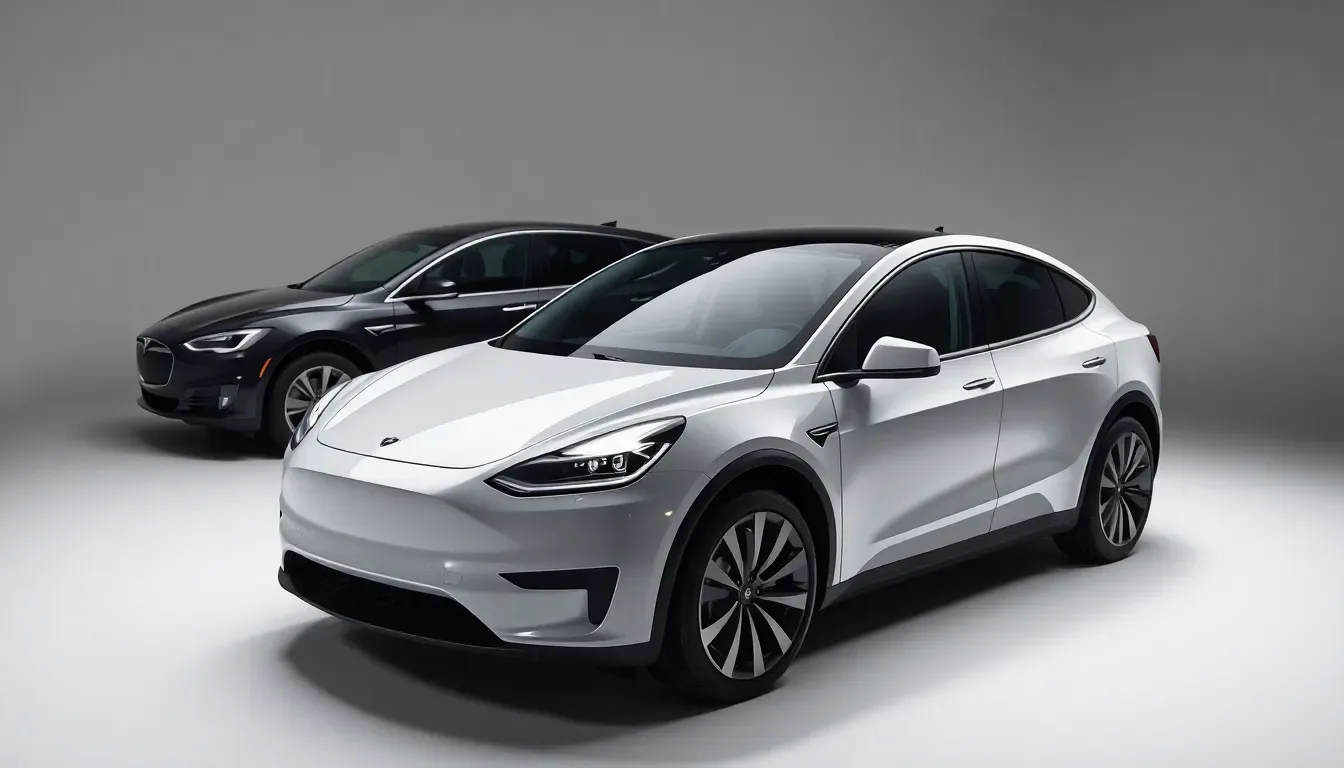
Tesla is expanding its Model Y lineup with the introduction of the six-seat Model Y L, designed specifically for families seeking spacious and comfortable travel. Unlike its standard counterpart, the Model Y L features a stretched wheelbase and an overall length increase, making it an appealing choice for families. The new configuration has already garnered significant attention, especially in markets outside the United States.
The Model Y L measures approximately 4,976 mm in length, with a wheelbase extension of around 150 mm. This modification allows for a 2-2-2 seating arrangement, ensuring that all six passengers enjoy ample legroom and cargo space. This design addresses a common complaint regarding many three-row SUVs, which often compromise passenger comfort in the third row.
Recent regulatory filings indicate that the tesla Model Y L is set to launch in South Korea, with signs of an imminent debut. The vehicle has already received energy-efficiency certification from the Korea Energy Agency, paving the way for deliveries to begin in the first half of 2026. Tesla’s Giga Shanghai facility has been producing this model, positioning it favorably for the Asian market, given the factory’s history as an export hub.
- Battery capacity: 97.25 kWh
- Passenger capacity: 6 people
- All-wheel-drive configuration
- Range: 543 km (337 miles) at room temperature
- Range: 454 km (282 miles) in cold conditions
The launch in South Korea is a significant move for Tesla, especially as CEO Elon Musk has indicated that the Model Y L may not arrive in the U.S. until late 2026, if at all. This delay raises questions for U.S. consumers eager for a spacious, family-friendly electric SUV.
Despite the setbacks for the American market, the Model Y L’s expansion reflects Tesla’s understanding of regional customer needs and preferences. As the demand for practical, family-sized electric vehicles continues to grow, Tesla’s strategic decision to introduce the Model Y L to South Korea before the U.S. showcases its commitment to catering to diverse international markets.
Tesla’s Advertising Strategy Takes a New Direction
For years, Tesla has distinguished itself by its unconventional approach to marketing. The company has largely avoided traditional advertising methods, opting instead for a strategy that relies on word-of-mouth, social media presence, and product innovation. However, recent developments indicate a shift in this strategy as Tesla ramps up its advertising efforts, particularly on social media platforms.
In the past few days, Tesla has been spotted running advertisements on both Facebook and YouTube, marking a notable change. On Facebook, the focus has been on promoting its Full Self-Driving (FSD) technology, while YouTube features ads related to Tesla’s Energy Division. This shift signals Tesla’s intent to engage more directly with consumers through targeted digital marketing.
- In 2022, Tesla’s advertising spend was approximately $152,000.
- General Motors spent $3.6 billion on advertising in the same period.
- Traditional automakers typically allocate around $495 per vehicle for advertising.
- CEO Elon Musk has previously stated that Tesla does not pay for endorsements.
This new focus on advertising comes at a crucial time as competition in the EV market intensifies. Tesla has relied heavily on innovation and the organic buzz generated by its product launches, but as the landscape becomes more crowded, the company appears to be adapting its strategy. The current advertising campaigns coincide with important deadlines, such as the end of one-time purchases for FSD and a deadline for transfer eligibility on new vehicles.
Elon Musk’s philosophy on marketing has always been centered around the belief that a great product speaks for itself. Instead of spending heavily on ads, the company has historically invested in research and development, aiming to create superior products that generate positive consumer experiences. However, as the market evolves, it seems Tesla is willing to explore new avenues to ensure its message reaches potential customers effectively.
As Tesla adjusts its marketing strategy, it may be poised for a more significant role in the advertising space, particularly in promoting its high-margin software and energy products. A successful transition into this realm could help maintain Tesla’s innovative edge while increasing revenue streams.
Elon Musk updates on Starship V3 launch timeline
In addition to developments in the automotive sector, SpaceX is making headlines with its ambitious plans for the Starship V3 spacecraft. Elon Musk recently shared an update regarding the next launch attempt, indicating that it could take place in approximately four weeks, pending the completion of several critical milestones.
Musk’s comments suggest that the next flight, labeled Starship Flight 12, may target an early April launch. However, the timeline is contingent upon the successful testing and certification of several systems at SpaceX’s Starbase launch facility in Texas, including the new launch tower and tank farm systems. These upgrades are essential for supporting the upcoming generation of Starship vehicles.
- Booster 19 will be rolled to the launch site for final preparations.
- It will undergo a static fire test, marking the first test of a Super Heavy booster with Raptor V3 engines.
- Ship 39 will also be prepared with its engines before undergoing similar testing.
- A full wet dress rehearsal is expected prior to any launch attempts.
One of the most exciting aspects of Musk’s vision for the Starship system is the potential for full reusability. He has indicated that SpaceX plans to recover the Starship’s upper stage using robotic arms from the launch tower. However, this ambitious goal will only be pursued after the spacecraft successfully completes two soft landings in the ocean, thereby minimizing the risks associated with land recovery attempts.
This focus on reusability represents a significant step forward in aerospace engineering, aligning with SpaceX’s long-term goal of reducing launch costs and increasing the frequency of space missions. The successful implementation of these technologies and processes could redefine the future of space travel.
Read more: Tesla owners could be impacted by new EV tax credit extension rule
The Future of Tesla and SpaceX: Innovation at the Core
The recent developments surrounding Tesla and SpaceX underscore a broader trend of innovation that is central to both companies. As Tesla expands its vehicle offerings and adapts its marketing strategies, it continues to push the boundaries of electric mobility. Meanwhile, SpaceX’s strides towards reusability in space travel highlight a commitment to redefining what is possible in aerospace.
Both companies embody a spirit of innovation that resonates with consumers and investors alike. As they navigate the complexities of their respective markets, the emphasis on product excellence and cutting-edge technology remains a cornerstone of their business models.
Looking ahead, the automotive and aerospace industries are likely to witness continued transformations driven by the philosophies of leaders like Elon Musk. As Tesla and SpaceX forge ahead, their ability to adapt and innovate will be crucial in maintaining their positions as industry leaders in the face of growing competition.
In conclusion, Tesla’s expansion of the Model Y L into international markets and the increased focus on advertising reflect its strategic adaptability, while SpaceX’s developments in the Starship program signify groundbreaking advancements in space technology. As both companies continue to redefine their industries, their commitment to innovation will undoubtedly shape the future for consumers and the broader market.