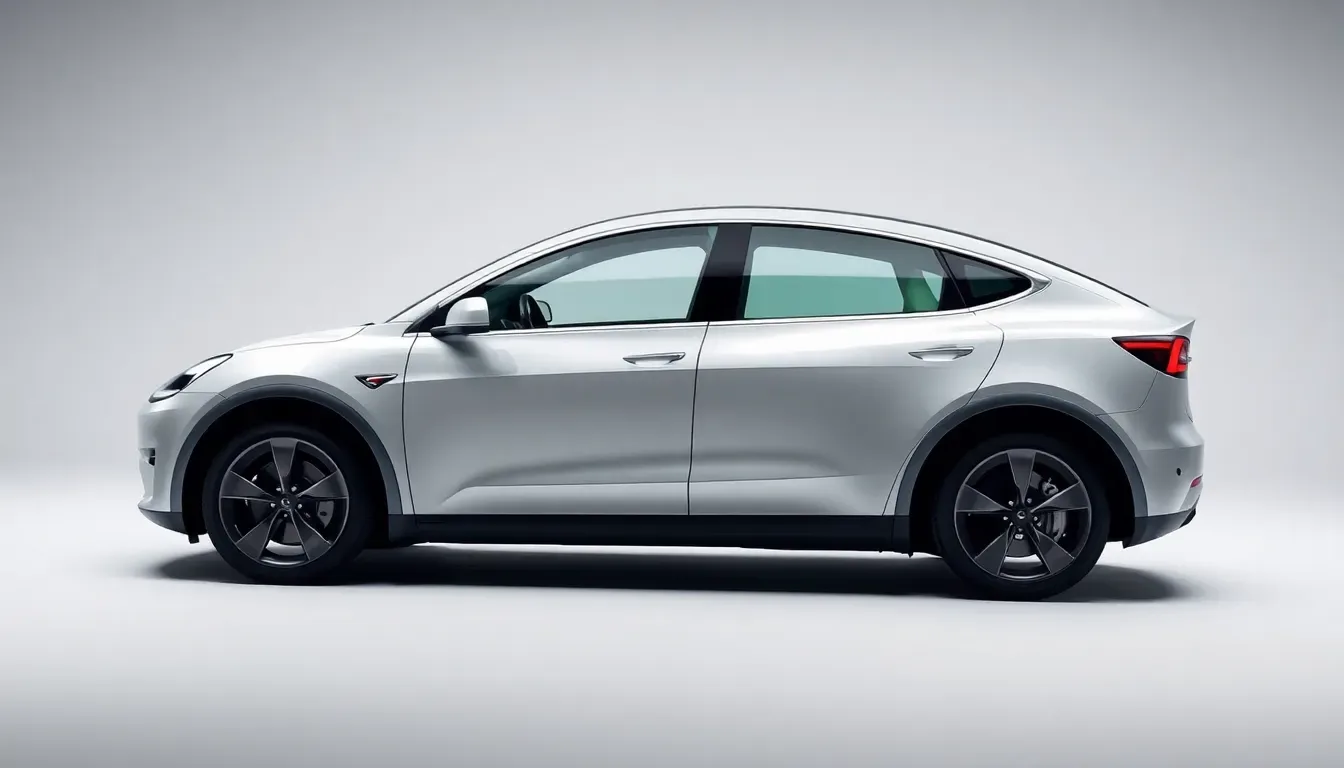
In the rapidly evolving world of electric vehicles, Tesla continues to set benchmarks that other manufacturers aspire to reach. The latest tests of the Model Y Standard reveal not only impressive performance but also a significant leap in efficiency that could redefine expectations in the EV market. Let’s explore the details of this groundbreaking performance and what it means for Tesla and the industry at large.
Tesla Model Y Standard excels in range testing
The Tesla Model Y Standard has recently outperformed expectations during a range test conducted by the well-respected automotive media outlet Edmunds. This model exceeded its EPA-estimated range of 321 miles, proving to be more efficient than its more expensive Premium counterparts, which offer additional luxury features.
According to Edmunds, the Model Y Standard achieved the status of the “longest-range Model Y that we’ve ever put on our loop.” This is a notable improvement compared to previous Tesla models, including the earlier generation Model Y, which had an EPA-estimated range of 330 miles but could only drive 310 miles in real-world conditions.
The recent Launch Series Model Y, the first of its kind from the “Juniper” program, also performed admirably, hitting its EPA-rated range of 327 miles. This suggests that Tesla is refining its technology to enhance the real-world performance of its vehicles.
Understanding the testing methodology
The testing procedure utilized by Edmunds is rigorous and designed to mimic real-world driving conditions as closely as possible. The key aspects of this testing include:
- Route composition: The tests consist of 60% city driving and 40% highway driving.
- Average speed: Vehicles are driven at an average speed of 40 MPH and must adhere to posted speed limits within 5 MPH.
- Efficiency settings: Each car is set to its most efficient drive mode, with climate controls kept at a comfortable 72 degrees Fahrenheit.
This method ensures that the results are consistent and reflect the day-to-day experiences of typical drivers. It is important to note that external variables such as temperature and traffic density can still influence overall range, but Tesla’s newer models have been more reliable in meeting or exceeding their EPA estimates compared to their predecessors.
Tesla Model Y Standard vs. Model Y Premium
When comparing Tesla’s two Model Y trims, it’s essential to recognize that both offer excellent options tailored to different budgets. However, the differences in luxury and technology can be significant:
- Interior quality: The Premium version features a Vegan Leather Interior and acoustic-lined glass, enhancing overall comfort and sound quality.
- Sound system: The Premium model comes equipped with a superior sound system, providing a more enjoyable audio experience.
- Price points: The Standard version is more budget-friendly, catering to consumers seeking an electric vehicle without extensive luxury features.
Each choice represents a balance between performance and luxury, allowing buyers to select a model that best fits their preferences and budget constraints. If you’re curious about the full review of the Model Y Standard, check out this link.
The implications of the Model Y’s performance
The exceptional performance of the Model Y Standard not only reinforces Tesla’s reputation for building high-quality electric vehicles but also highlights the brand’s commitment to continuous improvement. In an industry where competition is intensifying, Tesla’s ability to innovate and refine its offerings is crucial for maintaining market leadership.
Furthermore, the success of the Model Y Standard could influence consumer behavior in various ways:
- Increased demand: As buyers recognize the efficiency and value of the Standard model, demand may surge, leading to longer wait times for deliveries.
- Market competitiveness: Competing manufacturers may feel pressured to enhance their own electric vehicle offerings to match Tesla’s performance and efficiency.
- Broader appeal: A more affordable yet high-performing model could attract a wider customer base, expanding Tesla’s reach within the electric vehicle market.
Future trends in Tesla’s product line
As Tesla continues to innovate, there is speculation regarding future models and potential upgrades. For instance, questions are being raised about:
- New variants: Will Tesla introduce additional variants of the Model Y to cater to different market segments?
- Refresh plans: Is a refresh of the Model Y on the horizon for 2025, focusing on modernizing features and enhancing performance?
- Environmental considerations: How will Tesla adapt to increasingly stringent environmental regulations and consumer demand for sustainable practices?
The evolving landscape of electric vehicles
The automotive industry is undergoing a significant transformation, with electric vehicles at the forefront. Tesla’s innovations and successes have set a high bar for competitors. The adoption of electric vehicles is expected to grow, driven by technological advancements, government incentives, and changing consumer preferences.
As Tesla pushes the envelope of EV technology, other manufacturers are also stepping up their game, striving to meet the challenges posed by rising consumer expectations and environmental concerns. The next few years could witness an explosion of innovation in the EV sector, leading to more efficient and accessible electric vehicles for consumers.
Conclusion: The road ahead for Tesla and the EV market
Tesla’s Model Y Standard has not only demonstrated impressive range and efficiency but has also set a precedent for future electric vehicles. Consumers are becoming increasingly discerning, and the demand for high-performance, affordable electric vehicles is likely to shape the industry’s future. Tesla’s ability to adapt and innovate will be critical in maintaining its position as a leader in the market.