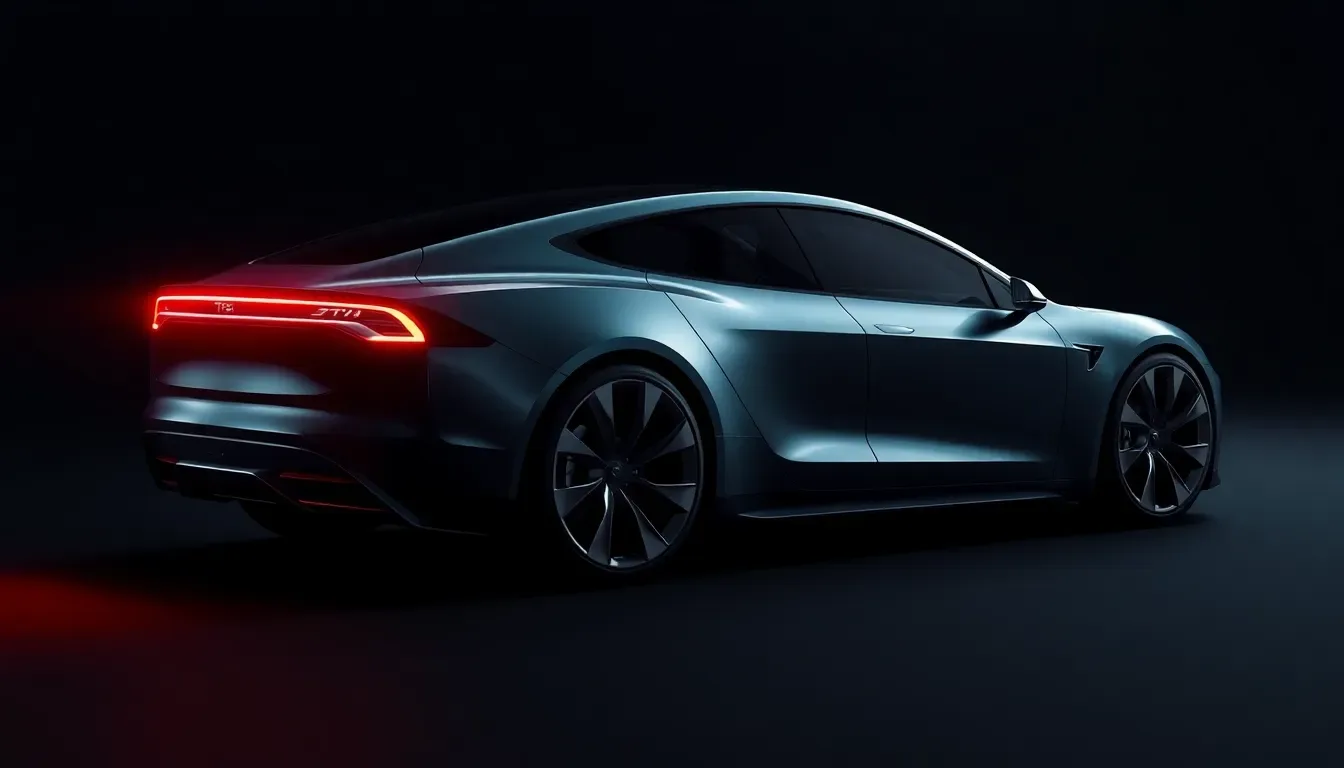
In the ever-evolving world of autonomous driving, Tesla is pushing boundaries once again. Recently, CEO Elon Musk announced a significant update to the Full Self-Driving (FSD) software that potentially allows drivers to text while driving, contingent on the surrounding traffic conditions. This bold move has sparked discussions about the implications for safety and legality, as well as the evolving role of technology in our driving experiences.
Understanding the New FSD Update
The latest update, FSD v14.2.1, promises a new level of convenience for Tesla drivers. Musk emphasized that the ability to text while driving would be entirely dependent on the traffic context, aiming to enhance user experience without sacrificing safety. This feature raises critical questions: How does this work in practice? And more importantly, is it safe?
According to Musk, the system will analyze real-time traffic conditions to determine if it is appropriate for drivers to engage with their phones. However, even with this technological advancement, drivers must remain vigilant and adhere to local laws regarding mobile phone usage.
The Legal Landscape of Texting While Driving
While Tesla is innovating, laws surrounding texting and driving are stringent in many regions. In the United States, for instance, most states have enacted laws prohibiting texting while driving. These laws are in place to combat distracted driving, which is a leading cause of accidents.
- In California, for example, it’s illegal to use a handheld device while driving.
- Pennsylvania has the Paul Miller Law, which prohibits even holding a phone at stoplights.
- Many states impose hefty fines for violations, reflecting the serious nature of distracted driving.
Before considering using this new feature, drivers must familiarize themselves with their local regulations to avoid legal repercussions.
Conducting the Test: Methodology and Approach
To better understand the functionality of the new texting capability, a test was conducted focusing on different traffic congestion levels: low, medium, and high. The goal was to determine when the system would allow for phone engagement without triggering alerts from the in-car driver monitoring system.
The test involved the following parameters:
- Limiting phone usage to a maximum of five to seven seconds.
- Consistently checking the road after each phone glance.
- Avoiding any distractions from pedestrians or law enforcement.
- Conducting the test in a controlled manner, ensuring safety as the priority.
Results of the Test: Observations Across Traffic Conditions
Low Congestion Area
In a local area with minimal traffic, the driver felt comfortable looking at the phone for short periods. Each time the five-second mark was reached, a quick glance up at the road was made, with no alerts triggered during the test.
“Traffic was sparse, and I was able to look down at my phone without concern for other vehicles.”
Medium Congestion Area
This test was conducted in a busier area, including a traffic light stop. Despite the increased activity, the driver maintained the same five-second rule for checking the phone. Interestingly, no alerts were received here either, which raised questions about the effectiveness of the driver monitoring system.
“The absence of alerts made me wonder if I was looking at my phone long enough to trigger one.”
High Congestion Area
The highway setting proved to be the most telling. Here, the driver finally received an alert to refocus attention on the road. This was surprising, as the higher speeds usually entail a greater need for driver vigilance.
“I felt more at ease on the highway, even with the alert popping up, indicating I was too distracted.”
Safety Concerns: Should Texting While Driving Be Allowed?
Despite the technological advancements and the potential for convenience, the safety implications of texting while driving cannot be overlooked. The primary concerns include:
- **Increased risk of accidents**: Distracted driving significantly increases the likelihood of collisions.
- **Legal liability**: If an accident occurs, the driver may be held responsible, regardless of the car’s autonomous features.
- **Public perception**: Accidents involving Tesla vehicles are often scrutinized, and any incident could reflect poorly on the brand.
These factors underline the importance of caution and responsibility, even with advanced technology at play.
The Future of Autonomous Driving and User Responsibility
As Tesla continues to innovate, the balance between automation and user responsibility becomes ever more critical. While the idea of texting while driving under certain circumstances may seem appealing, it also necessitates a broader conversation about the future of autonomous vehicles. How much trust should we place in technology, and how aware should we remain as drivers?
Moving forward, continuous improvements in driver monitoring systems and strict adherence to safety regulations will be essential for fostering a safe driving environment. As technology advances, so must our understanding of its implications on driving behavior.
Conclusion: Embracing Innovation with Caution
In conclusion, while Tesla’s new FSD feature may enable texting while driving under specific conditions, it serves as a reminder of the ongoing need for caution. Users must recognize the balance between leveraging innovative technology and maintaining a vigilant approach to road safety. The future of driving may be autonomous, but the responsibility of safe driving must always remain in human hands.