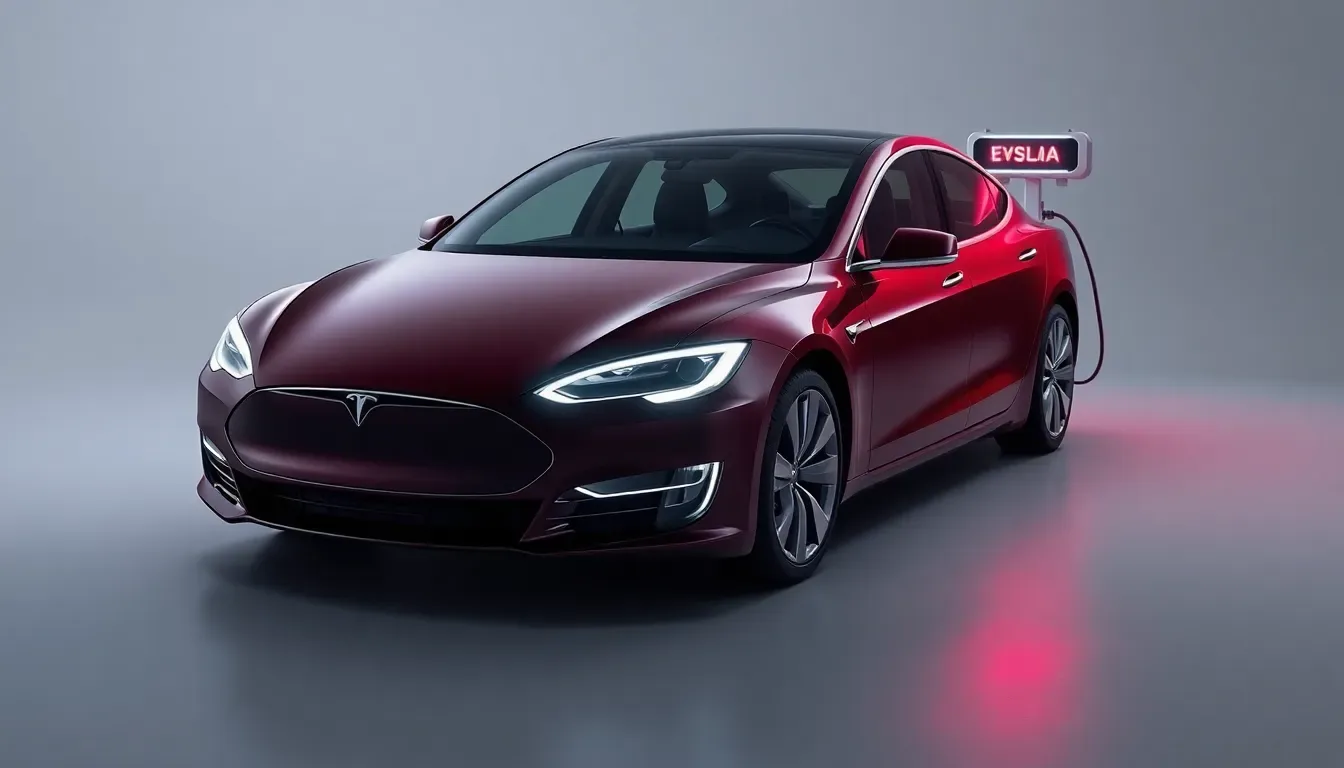
The electric vehicle (EV) market is rapidly evolving, with charging infrastructure becoming a critical component of the ownership experience. As the demand for EVs grows, the ability to charge them quickly and conveniently is paramount. However, a recent report highlights a worrying trend: Tesla’s competitors are significantly lagging in expanding their charging networks. This article delves into the current landscape of EV charging, compares Tesla’s advancements with those of other companies, and explores the implications for EV adoption in the future.
Tesla’s Dominance in the EV Charging Arena
Tesla has long been recognized for its robust and expansive electric vehicle charging network, which has been a cornerstone of its success in the EV market. According to a report by Paren, Tesla’s installation rate of new charging stations remains unmatched. In the third quarter of 2025 alone, Tesla installed 1,820 new Superchargers in the United States, bringing its total to an impressive 34,328 charging stalls. This translates to a remarkable market share of 53.2 percent of all charging stations in the country.
Despite the efforts of other companies to establish their own charging networks, Tesla continues to lead by a substantial margin. The competitive landscape is stark, with Tesla’s installations far exceeding those of its rivals. In fact, the nine major competitors—including ChargePoint, Electrify America, and EVgo—only managed to install a combined total of 841 chargers during the same period. This leaves them nearly 1,000 units behind the EV frontrunner.
Understanding the Importance of Charging Infrastructure
Charging infrastructure plays a crucial role in the overall experience of EV ownership. As more consumers transition to electric vehicles, accessibility to charging stations becomes increasingly vital. While many EV owners charge their vehicles at home, public charging options are essential for:
- Long-distance travel
- Daily commuting
- Individuals without private charging facilities
The convenience and availability of charging stations directly influence consumer confidence and the speed of EV adoption. As reported, the expansion of charging networks is not just about satisfying current demand but also about preparing for a future where electric vehicles could become the predominant mode of transportation.
Challenges Faced by Competitors
The slow growth of charging infrastructure by Tesla’s competitors raises questions about their strategies and capabilities in the EV market. Despite the pressing need for more charging stations, many companies seem to have accepted their slower pace relative to Tesla. This lack of urgency is concerning for the future of electric mobility.
Some of the companies involved in this space include:
- ChargePoint
- Electrify America
- EV Connect
- EVgo
- Blink
- Pilot Flying J
- Rivian Adventure
These companies collectively own 10,055 charging stalls, which represents only 15.6 percent of the total charging infrastructure in the U.S. This disparity highlights the monumental task ahead for these competitors if they hope to catch up to Tesla’s established network.
The Role of Public Charging in EV Adoption
Public charging stations serve as a lifeline for many EV users. For those without the luxury of home charging, access to a network of reliable public chargers is critical. As more individuals consider switching to electric vehicles, the perception of charging convenience plays a significant role in their decision-making process.
Additionally, charging options in urban and rural settings can vary widely. Key factors that influence the effectiveness of public charging include:
- Location density
- Charging speed
- Availability of amenities at charging stations
As the electric vehicle market matures, establishing a comprehensive and user-friendly charging network will be essential for fostering broader adoption.
Future Implications of Tesla’s Charging Network Expansion
The ongoing expansion of Tesla’s Supercharger network not only solidifies its market position but also sets a precedent for the rest of the industry. As Tesla opens up its charging network to other EV brands, this could lead to increased collaboration and possibly a more unified charging standard across manufacturers.
However, the current landscape shows little indication that competitors are taking significant steps to accelerate their own infrastructure growth. This could result in a prolonged competitive advantage for Tesla, as their head start in charging infrastructure is likely to influence consumer preferences for years to come.
What Lies Ahead for EV Charging Infrastructure
The future of electric vehicle charging infrastructure appears to hinge on a few critical developments:
- Increased investments in charging networks by competitors
- Partnerships between automakers and charging service providers
- Technological advancements in charging speed and accessibility
As the EV market continues to grow, the urgency for a well-developed charging infrastructure will become even more pronounced. The need for competition in this space is clear, and while Tesla currently enjoys a dominant position, the potential for change remains. The question is whether its rivals can rise to the challenge and create a viable alternative for consumers.
The Importance of Competition in the EV Market
While Tesla’s dominance in the EV charging space is impressive, healthy competition is crucial for innovation and improvement. A competitive landscape can lead to:
- Better technology
- Lower costs for consumers
- Enhanced customer service
Moreover, competition can drive manufacturers to enhance the charging experience, ensuring that users have access to the best possible service. Tesla’s lead is significant, but the future of electric mobility would benefit from a more balanced playing field where all manufacturers contribute to the growth and expansion of charging infrastructure.