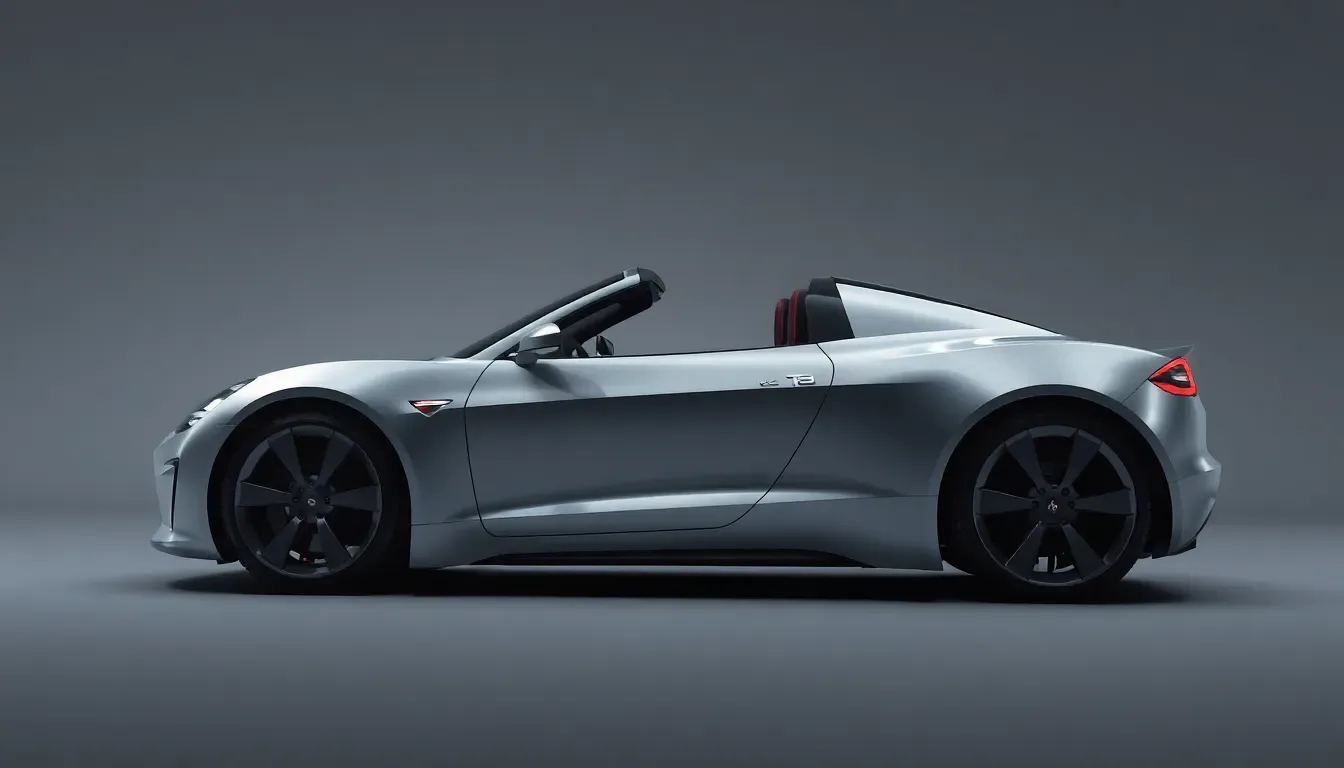
In the fast-paced world of electric vehicles, Tesla continues to lead the charge with innovations that set it apart from its competitors. Recent developments highlight not only the ambitious plans for their upcoming Cybercab but also the ongoing debates surrounding executive compensation and the company’s dominance in charging infrastructure. Here’s a comprehensive look at the latest updates regarding Tesla and its future directions.
Elon Musk responds to criticism on his pay package
Elon Musk recently faced scrutiny from a former Tesla employee who publicly criticized the proposed structure of his pay package on social media platform X. The former employee argued that the compensation was excessive and unlikely to deliver sufficient value to shareholders.
As Tesla prepares for its upcoming Shareholder Meeting in November, the pay package for Musk has become a focal point of discussion. Investors are being urged to support a compensation plan that could yield Musk up to $1 trillion in additional stock holdings based on performance metrics.
A key point of contention arises from a recommendation by Institutional Shareholder Services (ISS) to vote against Musk’s pay package. ISS characterized the proposed pay as “extraordinarily high” and expressed concerns that it would limit the board’s ability to adjust future compensation effectively.
- Compensation Concerns: Many shareholders are voicing their apprehensions over the package, arguing it does not align with shareholder interests.
- Musk’s Defense: In response, Musk asserted, “Tesla is worth more than all other automotive companies combined. Which of those CEOs would you like to run Tesla? It won’t be me,” reflecting his confidence in his leadership amid the criticism.
- Political Involvement: Some shareholders worry about Musk’s political activities affecting the company’s image and market performance.
In the context of previous pay packages, Musk’s current proposal has raised eyebrows, especially considering past legal challenges that have delayed payouts. If the current proposal faces similar hurdles, it may lead to Musk’s resignation or a reevaluation of his role in the company.
Tesla’s dominance in EV charging infrastructure
Tesla’s position in the electric vehicle market is further solidified by its unparalleled charging infrastructure. Recent reports have revealed that while competitors are attempting to catch up, they are falling significantly behind in the crucial area of EV charging.
In the third quarter of this year, Tesla installed a staggering 1,820 new charging stations in the United States, bringing its total to 34,328. This represents a market share of 53.2% of all charging stalls in the country. In contrast, competing networks, which include ChargePoint, Electrify America, and others, collectively installed only 841 chargers during the same period.
- Competitive Advantage: Tesla’s charging network is not just vast; it’s also strategically placed to serve a growing number of EV owners.
- Public Charging Importance: As EV adoption rises, public charging options are essential for long-distance travel and accessibility for those without home charging setups.
- Shared Access: Tesla has opened its Supercharger Network to other EV brands, enhancing the overall charging landscape while maintaining its lead.
This remarkable installation rate underscores Tesla’s commitment to enhancing the EV experience, making it more accessible to potential buyers and increasing overall adoption rates.
Hiring surge for the Cybercab production team
In exciting news for Tesla enthusiasts, the company is significantly expanding its workforce for the Cybercab production team at Giga Texas. Recently, three new job openings have been posted, indicating a strategic push towards ramping up production for this highly anticipated vehicle.
The positions include:
- Metrology Technician: Focused on quality assurance for the Cybercab.
- Equipment Engineer: Working on the vehicle’s plastic components.
- Tool & Die Supervisor: Overseeing the Injection Molding team.
These roles are crucial as the Cybercab is set to be produced using Tesla’s innovative “Unboxed” manufacturing process, which aims to streamline production significantly.
Cybercab: A game changer in vehicle production
Elon Musk has declared that the Cybercab will be Tesla’s highest-volume vehicle, with a target production rate of 2 million units annually. This ambition is supported by a new manufacturing line that resembles a high-speed consumer electronics assembly line rather than a traditional automotive production line.
Musk noted, “The line will move so fast that people can’t even get close to it. I think it’ll be able to produce a car ultimately in less than 5 seconds.” This radical approach to vehicle production could revolutionize how cars are made, potentially cutting costs and improving efficiency.
With the Cybercab, Tesla is not just launching another EV; it is redefining manufacturing standards and setting a benchmark for the industry.
Looking ahead: The future of Tesla and the EV market
Tesla’s initiatives, from expanding its charging infrastructure to innovative production techniques, highlight its commitment to maintaining its leadership in the electric vehicle market. The company’s focus on hiring and developing new technologies indicates a robust future trajectory that could set new industry standards.
As the EV landscape evolves, the interplay between corporate governance, competitive strategy, and technological advancement will be critical in determining Tesla’s ongoing success. Investors, consumers, and industry watchers alike will be keenly observing how Tesla navigates these challenges and opportunities in the coming years.