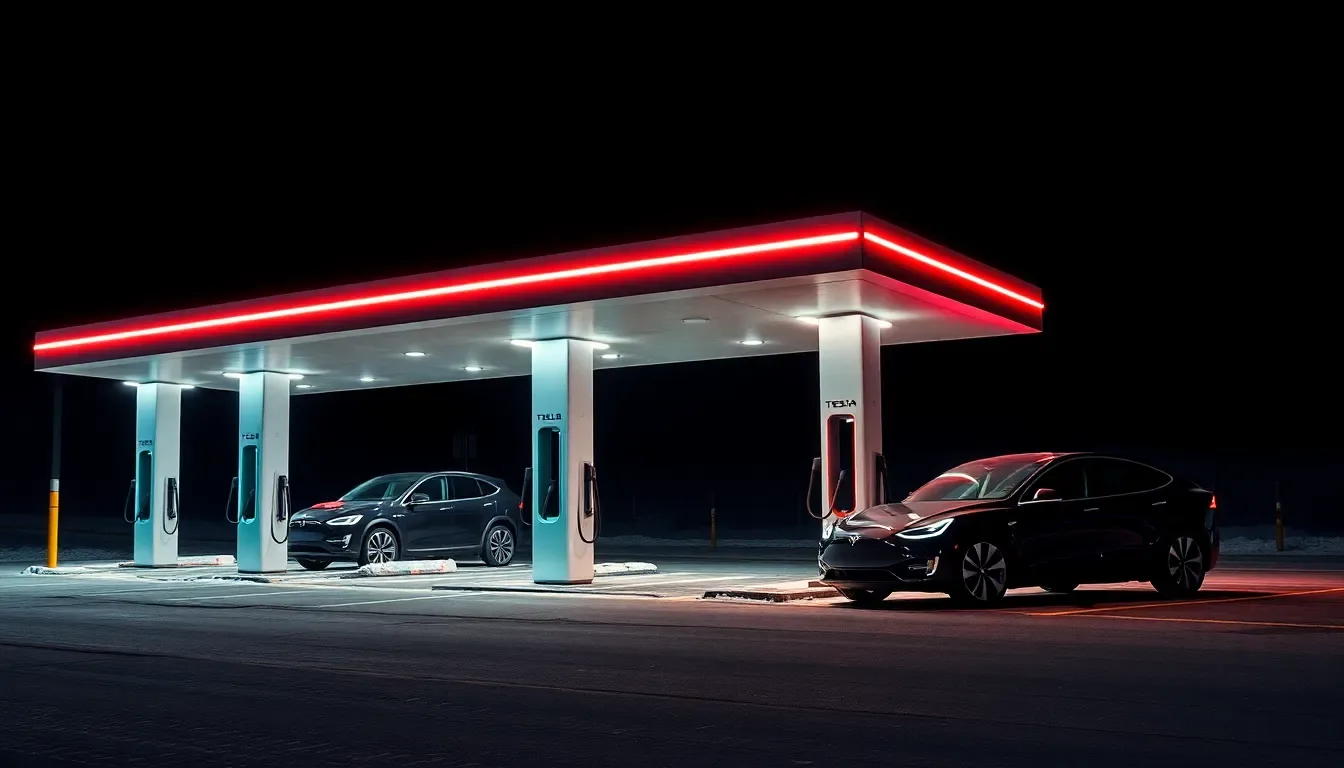
As electric vehicles (EVs) continue to revolutionize the automotive industry, companies like Tesla and Rivian are pushing the boundaries of technology and innovation. With advancements in autonomous driving and new insurance models, the landscape is rapidly evolving. This article delves into Tesla’s latest strategies and Rivian’s competitive edge, shedding light on the future of transportation.
Tesla tests Model S for a potential premium Robotaxi service
Tesla is known for its meticulous approach to engineering and technology. Recently, the company has expanded its testing efforts to include the Model S, marking a significant shift in its Robotaxi strategy. Traditionally, the Model Y crossover has been the face of Tesla’s autonomous taxi fleet, but the inclusion of the Model S suggests a strategic pivot.
Spotted in California, these Model S vehicles were equipped with advanced LiDAR rigs, typically associated with the Model Y during validation testing. This move raises questions about Tesla’s plans for a more luxurious Robotaxi service.
By considering the Model S for its Robotaxi fleet, Tesla could be aiming to offer a premium ride-hailing experience, similar to Uber Black or Lyft Lux. This could cater to customers seeking luxury in their transportation options. The Model S, being a flagship sedan, provides:
- Enhanced comfort and luxury.
- Spaciousness for multiple passengers.
- High performance and range.
CEO Elon Musk has acknowledged the sentimental value of the Model S, which has been a cornerstone of Tesla’s identity. Despite low production volumes, the Model S might have a renewed purpose as part of the autonomous ride-hailing segment, providing a premium option for those willing to pay extra.
While nothing is confirmed yet, this speculation aligns with Tesla’s innovative approach. The idea of incorporating the Model S into the Robotaxi fleet reflects a broader trend in the ride-hailing industry toward luxury and personalized service.
Rivian’s advancements in self-driving technology and competition with Tesla
In the competitive world of electric vehicles, Rivian is making headlines with its new self-driving chip and autonomy plans. At its recent AI and Autonomy Day, the company unveiled its ambitions to challenge Tesla’s dominance in the autonomous driving space.
The company plans to offer an Autonomy+ subscription model priced at $49.99 per month, along with a one-time purchase option for $2,500. This package will provide access to Rivian’s self-driving suite, reflecting a growing trend toward subscription-based services in the tech and automotive sectors.
CEO RJ Scaringe expressed enthusiasm about the potential of their in-house developed hardware platform, which includes a powerful 1600 sparse TOPS inference chip. This chip is designed to enhance the company’s self-driving capabilities significantly. Scaringe noted:
“I couldn’t be more excited for the work our teams are driving in autonomy and AI. Our updated hardware platform will enable us to achieve dramatic progress in self-driving.”
Rivian is opting for a multi-sensor strategy, utilizing:
- 11 cameras
- Five radar sensors
- One forward-facing LiDAR
This approach contrasts with Tesla’s vision-only methodology, showcasing Rivian’s commitment to a robust autonomous driving system. The company’s new chip, known as RAP1, is expected to deliver over 800 trillion calculations per second, dramatically enhancing processing power for real-time data analysis.
Rivian also plans to roll out its Universal Hands-Free feature, enabling hands-free driving on over 3.5 million miles of roadways in the U.S. and Canada, further solidifying its position in the race for autonomy.
Tesla collaborates with Lemonade for innovative insurance solutions
In a groundbreaking move, Tesla has partnered with Lemonade to offer an insurance program that could redefine how drivers perceive insurance for autonomous vehicles. Lemonade’s co-founder, Shai Wininger, recently proposed providing “almost free” coverage for Tesla’s Full Self-Driving (FSD) miles.
This innovative insurance model aims to streamline the coverage process for Tesla owners in California, Oregon, and Arizona. The advantages of this new program include:
- Direct connection with no telematics device required.
- Enhanced customer service experience.
- Competitive pricing based on AI algorithms.
Lemonade’s unique business model focuses on transparency and social responsibility, donating unclaimed premiums to charity. This aligns with Tesla’s ethos of sustainability and innovation, making the partnership particularly appealing.
The integration of Lemonade’s services through its app enables Tesla owners to access insurance factors easily, further enhancing the customer experience. This collaboration not only benefits Tesla drivers but also supports the company’s goals of promoting safe driving through data collection.
The impact of autonomous vehicles on insurance and safety
As the industry shifts toward autonomous driving, the implications for insurance are profound. Tesla’s FSD capabilities have demonstrated impressive safety records, being nine times less likely to be involved in an accident compared to the national average. This data significantly influences how insurance companies assess risk and pricing.
With Tesla’s own insurance program available in twelve states and expanding, the collaboration with Lemonade presents an opportunity to offer more tailored coverage for autonomous vehicle owners. The ability to provide stable and consistent insurance rates is crucial as autonomous technology evolves.
The continuous collection of driving data will enable insurance models to adapt, ensuring they reflect the actual risk associated with autonomous driving. This evolution will likely lead to more personalized and cost-effective insurance solutions for consumers.
Future directions for Tesla and Rivian in the EV market
The race for dominance in the electric vehicle market is intensifying, with Tesla and Rivian leading the charge. Tesla’s innovative Robotaxi plans and Rivian’s advanced self-driving technology highlight the industry’s shift towards automation and sustainability.
As these companies continue to innovate, the integration of luxury offerings, competitive pricing models, and advanced safety features will play a crucial role in attracting consumers. The collaboration between Tesla and Lemonade serves as a prime example of how companies are adapting to the changing landscape, ensuring that EV ownership remains appealing and accessible.
Ultimately, the future of transportation promises to be exciting, with technological advancements paving the way for safer, more efficient, and environmentally friendly travel options.