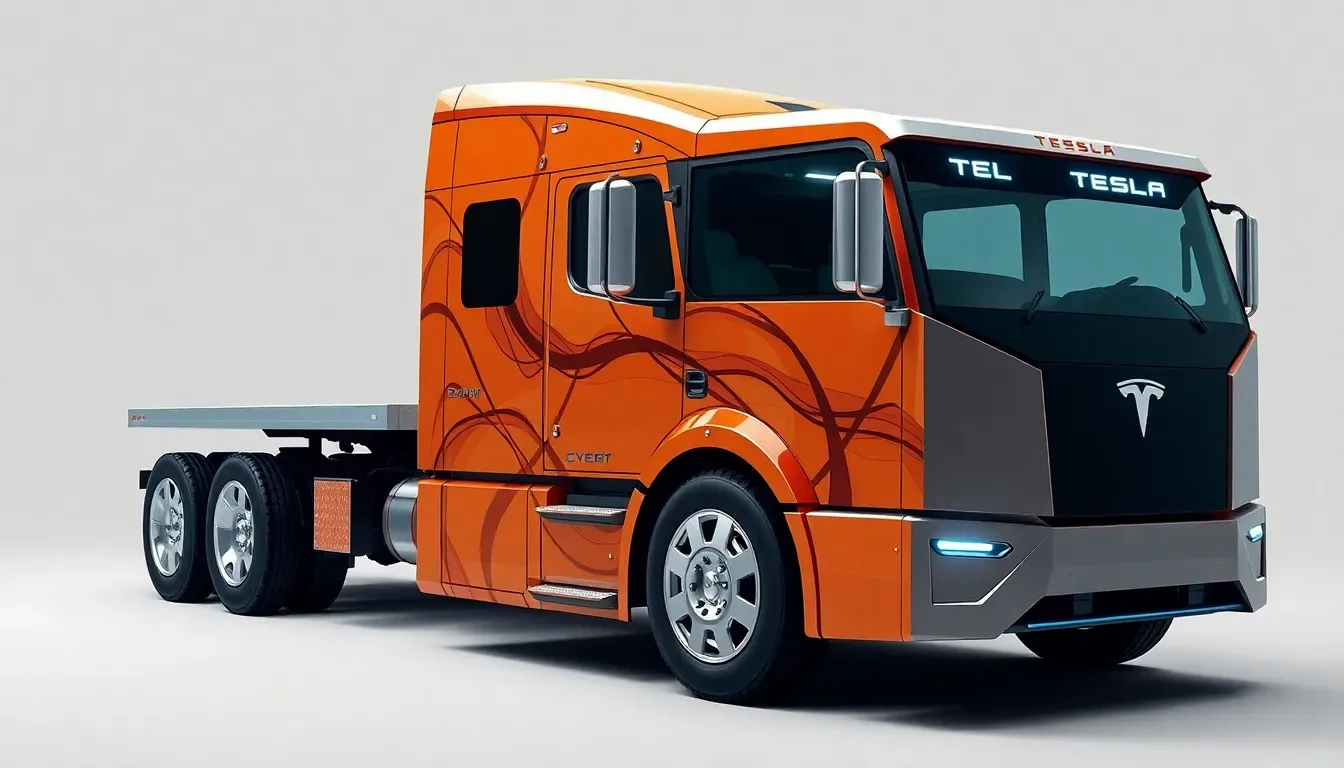
Tesla has recently made headlines with its decision to recall over 6,000 Cybertrucks due to an adhesive issue with the optional light bar. This move underscores the company’s commitment to safety and quality control, but it also reflects the complexities of launching a groundbreaking vehicle like the Cybertruck. As Tesla navigates these challenges, it continues to push the boundaries of electric vehicle technology and design.
Tesla recalls over 6,000 Cybertrucks due to light bar adhesive issue
On October 20, Tesla initiated a voluntary recall affecting 6,197 Cybertrucks. The recall is primarily due to concerns regarding the adhesive used to install an optional aftermarket light bar. According to the National Highway Traffic Safety Administration (NHTSA), the affected vehicles may have the light bar “inadvertently attached to the windshield using the incorrect surface primer.”
In February, Tesla first identified potential issues with the light bar’s adhesion and has spent months investigating. The company conducted extensive chemical testing and discovered that the BetaPrime primer used was not suitable for this specific application. As a result, Tesla took proactive steps to address the problem.
Upon issuing the recall, Tesla reported 619 warranty claims and only one field report associated with the adhesive issue. This shows that while the problem was serious enough to warrant a recall, it had not yet resulted in widespread complaints from Cybertruck owners.
The light bar in question is manufactured by Hella Romania S.R.L. While the primer itself is not of low quality, it is simply not the right adhesive for the installation. Fortunately, Tesla has confirmed that there have been no injuries or fatalities linked to this issue.
Tesla’s plan to rectify the situation includes inspecting all service-installed optional off-road light bar accessories for any signs of delamination or damage. If any issues are found, Tesla will replace the light bar at no charge to customers. If the light bar is found to be in good condition, the company will retrofit it with a positive mechanical attachment to enhance its safety.
This recall marks the third time this year that Tesla has had to address issues with the Cybertruck. Previous recalls included one on March 18, due to the risk of exterior trim panels detaching while driving, and another earlier this month regarding overly bright front parking lights. The latter issue was resolved through an Over-the-Air software update, demonstrating Tesla’s ability to swiftly address software-related concerns.
The implications of the Cybertruck recall
The recall of the Cybertruck highlights several critical issues in the automotive industry, especially as manufacturers introduce innovative technologies. Here are some implications of this situation:
- Safety first: Tesla’s quick response to this recall showcases its commitment to safety. Voluntary recalls are a proactive measure that reflects a manufacturer’s responsibility.
- Quality control: The situation raises questions about quality control processes in new vehicle production. As automakers innovate, ensuring that every component meets high standards is crucial.
- Impact on reputation: While recalls can damage a brand’s reputation, how a company handles them can strengthen customer trust. Tesla’s transparency in addressing the issue is a positive aspect.
- Future implications: As electric vehicles continue to gain popularity, other manufacturers will need to adopt similar proactive measures to handle recalls and quality assurance.
Tesla’s focus on autonomous technology
In light of the recent recall, Tesla’s CEO Elon Musk has reiterated the company’s commitment to developing autonomous vehicles. During a recent appearance on the Joe Rogan Experience podcast, Musk addressed speculation about establishing a division similar to Mercedes-Benz’s AMG, which focuses on high-performance vehicles.
Musk firmly stated, “I think it’s best to leave that to the custom shops. Tesla’s focus is autonomous cars, building futuristic autonomous cars. We want the future to look like the future.” This perspective emphasizes Tesla’s strategic direction toward autonomous vehicle technology, suggesting that performance modifications are secondary to the broader goal of achieving full autonomy.
By focusing on self-driving technology, Tesla aims to revolutionize transportation, prioritizing safety and efficiency over traditional performance metrics. This commitment could position Tesla as a leader in the autonomous vehicle market, setting it apart from competitors who may still prioritize performance enhancements.
Cybertruck fleet integration at SpaceX’s Starbase
In an interesting development, Tesla’s Cybertrucks have recently been integrated into SpaceX’s fleet at the Starbase facility in Texas. Hundreds of these all-electric pickups have been spotted at the site, signaling a significant shift towards more sustainable operations within the aerospace company.
The choice to utilize Cybertrucks aligns with SpaceX’s commitment to innovation and efficiency. The vehicles are intended to replace older gas-powered vehicles used for daily operations at the facility. This transition not only promotes sustainability but also showcases the synergy between Musk’s ventures.
Interestingly, the Cybertruck is constructed from the same stainless steel alloy used in SpaceX rockets, highlighting the connection between the two companies. As Tesla continues to produce and deliver Cybertrucks, the integration of these vehicles into SpaceX’s operations may also serve as a marketing tool for both companies.
Challenges in Cybertruck deliveries
Despite the enthusiasm surrounding the Cybertruck, Tesla has faced challenges in meeting delivery expectations. Initially, the company anticipated receiving between 1 million and 2 million orders before the vehicle’s production began. However, recent reports indicate that sales have not met these projections, leading to speculation about the reasons behind the shortfall.
One major factor contributing to the challenges in Cybertruck sales is the significant increase in price since its initial unveiling in 2019. As the production timeline extended, many potential customers found themselves priced out of the market. This shift in pricing dynamics has prompted some analysts to suggest that Tesla’s partnership with SpaceX may be a strategic move to alleviate inventory issues.
Ultimately, while the integration of Cybertrucks into SpaceX’s operations may seem like a bailout for lagging sales, it also represents a natural evolution of Musk’s vision—leveraging one company’s innovations to support another. The Cybertruck has been marketed as a versatile vehicle, even capable of operating on Mars, which further emphasizes the forward-thinking ethos behind its design.