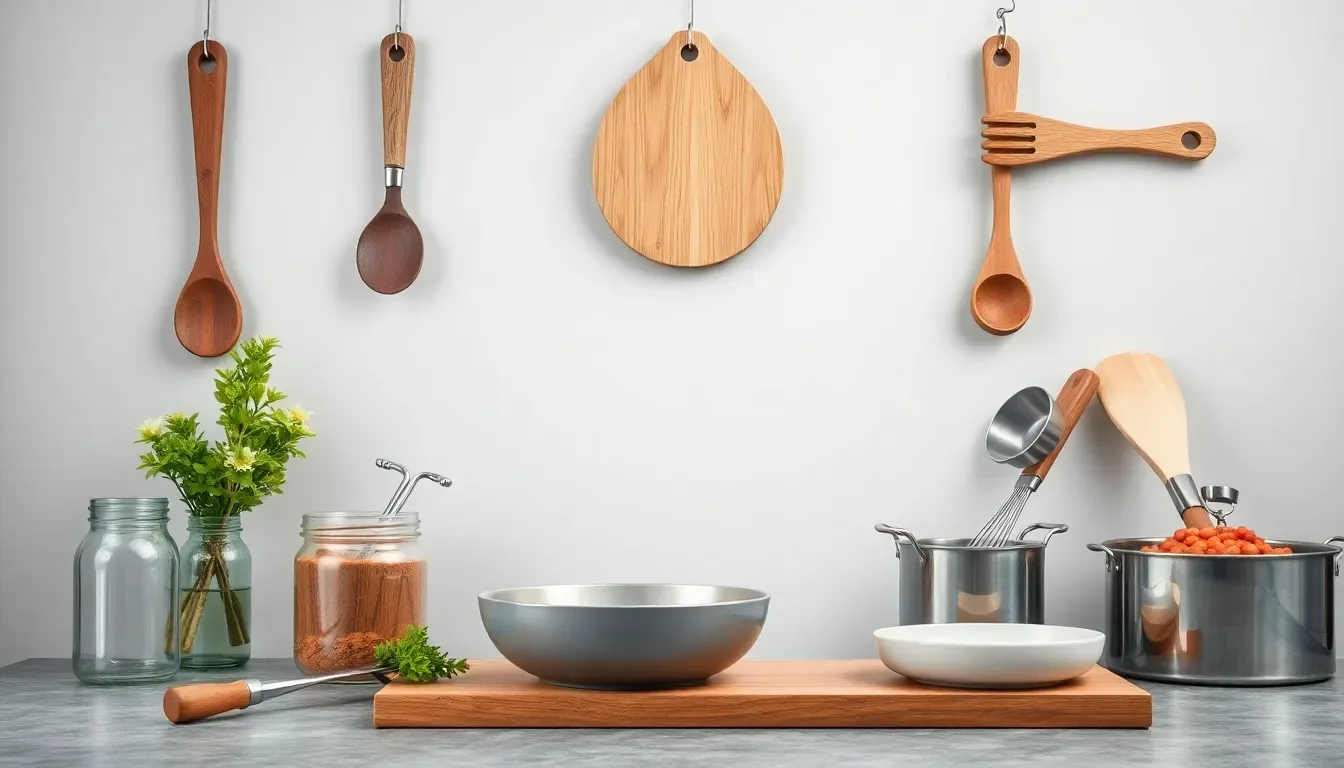
A functional kitchen is the heart of every home, and achieving this doesn’t require an arsenal of gadgets or high-end appliances. Instead, the key lies in having a carefully selected set of basic essential kitchen tools that facilitate everyday cooking with ease and efficiency. With the right tools at your disposal, even the simplest meals can be prepared with confidence and less stress. Conversely, lacking these essentials often leads to frustration and clutter.
Today, many households, particularly in the USA, UK, Canada, and Australia, are embracing a minimalist approach in their kitchens. There’s a growing preference for a compact collection of reliable tools that can handle a variety of tasks, rather than overcrowded drawers filled with seldom-used items. This trend emphasizes choosing tools based on comfort, durability, and daily usefulness, forming the backbone of a well-functioning kitchen. Whether you’re a casual cook or someone who prepares meals daily, having the right essentials can transform your cooking experience.
Essential kitchen tools list
When setting up a kitchen, it’s critical to prioritize the tools that will be most useful. Here’s a list of essential kitchen tools that should be in every modern kitchen:
- Chef’s Knife
- Cutting Board
- Measuring Spoons
- Mixing Bowls
- Cooking Utensils
- Pots and Pans
- Colander
- Kitchen Scissors
- Storage Containers
- Grater
Importance of a chef’s knife for everyday tasks
The chef’s knife is arguably the most crucial tool in any kitchen, serving a multitude of purposes, from chopping vegetables to slicing meats or mincing herbs. A high-quality chef’s knife enhances speed, precision, and safety in the kitchen. When the knife is sharp, it requires less force, which minimizes the risk of accidents during food preparation.
A well-balanced knife is essential for comfort; it allows for extended cutting sessions without causing fatigue. Rather than acquiring a range of cutting tools, investing in one dependable chef’s knife simplifies your cooking experience and keeps your kitchen organized.
Choosing the right cutting board for safe preparation
A cutting board is fundamental in any kitchen, providing a hygienic and stable surface for food prep. It protects countertops from damage and helps maintain the sharpness of your knives. Whether you opt for a wooden or high-quality plastic board, it’s essential to have separate boards for different food types—vegetables and raw meats—to enhance hygiene.
Consider the following when selecting a cutting board:
- Material: Wood is often preferred for its durability and aesthetic appeal, while plastic boards are easier to clean.
- Size: Choose a size that fits your workspace and suits the types of meals you prepare.
- Maintenance: Ensure it’s easy to maintain; some boards require oiling or special care.
Measuring spoons: the key to accuracy in cooking
Measuring spoons are a necessity in both cooking and baking, allowing for precise additions of spices, liquids, and other ingredients. This accuracy is vital for achieving consistent flavors, especially in baking where the ratio of ingredients can significantly affect the outcome.
For those new to cooking, having measuring spoons can boost confidence by eliminating guesswork and minimizing mistakes. A reliable set of measuring spoons can often include:
- 1 tablespoon
- 1 teaspoon
- ½ teaspoon
- ¼ teaspoon
These simple tools streamline the cooking process, making recipes easier to follow and enhancing overall efficiency in modern kitchens.
Mixing bowls for an organized kitchen workflow
Mixing bowls are versatile kitchen essentials that can be used for various tasks, including combining ingredients, marinating food, or storing prepped items. Having multiple bowls in different sizes allows for efficient meal preparation and helps keep your workspace tidy.
Benefits of using mixing bowls include:
- Enabling pre-preparation of ingredients, which leads to a smoother cooking process.
- Reducing clutter on countertops, fostering a calmer cooking environment.
- Facilitating organized workflow, which is essential for a pleasant cooking experience.
Everyday cooking utensils for daily tasks
Cooking utensils, such as spatulas, ladles, tongs, and serving spoons, are essential for executing daily kitchen tasks. These tools are used for stirring, flipping, serving, and safely transferring food from cooking vessels to plates.
When selecting cooking utensils, focus on comfort and durability. Heat-resistant materials are crucial for ensuring safety and ease of use. A well-curated set of utensils can help maintain an organized kitchen and reduce stress:
- Choose utensils with comfortable grips.
- Opt for materials that are safe for your cookware.
- Invest in a few high-quality pieces rather than a large assortment of inferior ones.
Pots and pans: the core of cooking needs
A compact set of quality pots and pans is sufficient for most everyday cooking tasks. Typically, this would include a saucepan, a frying pan, and a larger pot for boiling or stewing. Quality cookware can significantly impact cooking results, as well-made pots and pans provide even heat distribution.
For an efficient kitchen, consider these factors:
- Material: Stainless steel, cast iron, and non-stick options each have distinct benefits.
- Size: Choose pieces that suit your cooking style and portion sizes.
- Maintenance: Select cookware that is easy to clean and maintain.
The role of a colander in food preparation
A colander is a simple yet indispensable tool in any kitchen, used for washing vegetables, draining pasta, and rinsing grains. It serves to improve hygiene and expedite food prep, making it a crucial component of daily cooking routines.
Without a colander, many tasks become cumbersome. A sturdy option will allow you to wash and drain efficiently, thus reducing mess and saving time.
Kitchen scissors for flexible culinary use
Kitchen scissors are an often-overlooked tool that can enhance your cooking experience. They are perfect for cutting herbs, snipping kitchen twine, or even opening packaging. Their versatility makes them safer and more precise for certain tasks compared to knives.
When incorporating scissors into your kitchen toolkit, keep in mind:
- Opt for a pair that is easy to clean and maintain.
- Consider scissors with a built-in bottle opener or nutcracker for added functionality.
- Designate a pair specifically for kitchen use to maintain hygiene.
Storage containers for organization and food freshness
Food storage containers are essential for organizing leftovers, meal prep, and pantry items. Airtight containers help keep food fresh and reduce waste, which is particularly important in a modern kitchen where efficiency is key.
Using storage containers effectively can help maintain a tidy kitchen. Consider:
- Clear containers for easy visibility of contents.
- Different sizes for various storage needs.
- Labeling systems to track ingredients and expiration dates.
The grater: adding texture and flavor effortlessly
A grater is a simple tool that can make a significant difference in the kitchen. It’s used for cheese, vegetables, citrus zest, and spices, and freshly grated ingredients can elevate the flavor and texture of meals.
When selecting a grater, consider the following:
- Opt for a box grater for versatility.
- Handheld graters are convenient for small tasks.
- Look for easy-to-clean options to streamline maintenance.
FAQ: basic essential kitchen tools
Q1. What are the most important basic essential kitchen tools?
A chef’s knife, cutting board, measuring spoons, cooking utensils, pots and pans, and storage containers are the most crucial tools for daily cooking.
Q2. How many kitchen tools does a basic kitchen need?
A basic kitchen typically requires 10 to 15 well-chosen tools. Quality and comfort should be prioritized over quantity.
Q3. Are modern kitchen tools better than traditional ones?
Modern kitchen tools often emphasize comfort and efficiency, but the best tools are those that align with your cooking habits and feel easy to use.
Q4. Should beginners buy all kitchen tools at once?
Beginners should focus on acquiring basic essential kitchen tools first and gradually add more items as their cooking skills develop.