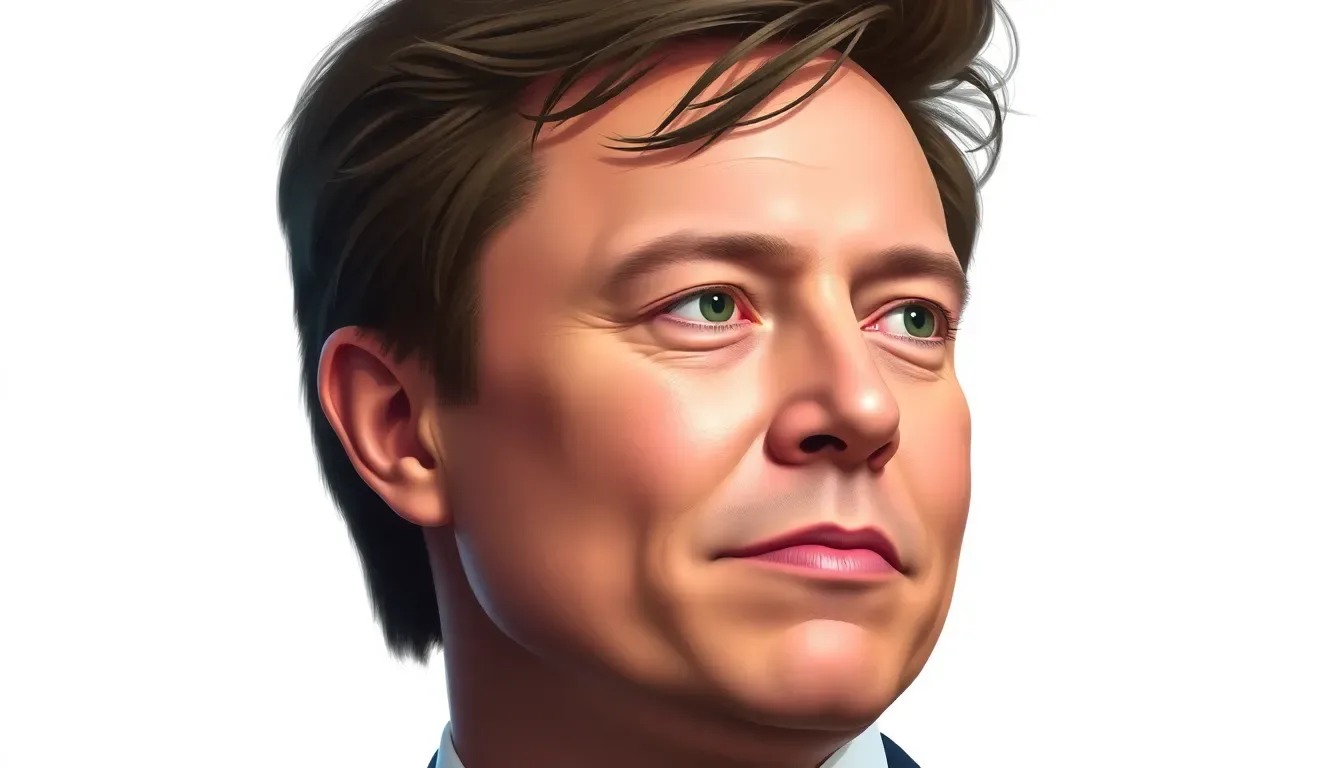
Elon Musk, the controversial and often polarizing CEO of Tesla, has not shied away from responding fiercely to criticisms regarding his proposed compensation package. Recently, a former employee of Tesla publicly criticized Musk’s pay structure on social media platform X (formerly Twitter), igniting a debate over executive compensation and shareholder value that is likely to shape discussions at the upcoming Tesla Shareholder Meeting.
As the meeting approaches, the spotlight is undeniably on Musk’s proposed pay package, which has raised eyebrows and sparked significant discussion among investors. The stakes are high, given that this package could potentially add up to $1 trillion to Musk’s wealth if he meets the outlined performance goals. The implications of such a figure are profound, not only for Musk but also for Tesla’s shareholders and the broader automotive industry.
Understanding the Proposed Compensation Package
The compensation package being proposed for Musk is not just about salary; it encompasses a wide range of performance-based incentives aimed at aligning his interests with those of Tesla’s shareholders. This structure has been met with mixed reactions. While many investors support Musk’s vision and believe his leadership is crucial for Tesla’s continued success, there are also concerns about the fairness and sustainability of such a massive payout.
- Performance Metrics: The package is tied to specific performance targets that Musk will need to meet in order to unlock different tranches of compensation.
- Potential Upside: If successful, Musk’s earnings could skyrocket, reflecting Tesla’s growth and market dominance.
- Shareholder Value: Critics argue that the proposed compensation does not sufficiently guarantee enhanced shareholder value, especially if performance metrics are not met.
Shareholder Reactions and Institutional Opinions
As Tesla prepares for its Shareholder Meeting, investor sentiment appears to be largely in favor of Musk’s pay package. However, a growing faction of institutional and individual shareholders has been vocal against it. Notably, the Institutional Shareholder Services (ISS), a prominent advisory firm, recommended a vote against the package, arguing that it could undermine the board’s ability to adjust compensation levels in future years.
ISS described the compensation proposition as “extraordinarily high,” emphasizing that such a structure could set a concerning precedent for executive pay. This perspective highlights the tension between rewarding leadership and ensuring responsible corporate governance.
Voices of Concern: Former Employees and Shareholders
One particularly vocal critic of Musk’s pay package was a former Tesla employee who took to X to express his discontent. He argued that the proposed compensation would barely outpace inflation and would significantly underperform against the S&P 500 Index. This comment resonates with many shareholders who are worried about the actual return on investment when such a substantial amount is allocated to one individual.
The former employee’s comments included:
- “Sorry, Tesla, some of us (and supposedly, ISS too) simply don’t think that underperforming the S&P 500 this much is worth paying somebody 20 billion dollars worth of company value.”
- “As a shareholder, I don’t want Tesla to overpay for its CEO.”
- “Other competent CEOs could grow Tesla just as much with way less political drama.”
Musk’s Response: Defending the Value of Leadership
In response to the criticisms, Musk’s retort was both pointed and revealing. He asserted, “Tesla is worth more than all other automotive companies combined. Which of those CEOs would you like to run Tesla? It won’t be me.” This statement encapsulates his belief in the unique value he brings to Tesla, a perspective that has been both supported and contested by different stakeholders.
Musk’s defense underscores an ongoing debate in the business world regarding the worth of exceptional leadership versus the need for equitable compensation practices. His assertion raises questions about what truly constitutes value in corporate leadership and how that should be measured.
The Political Landscape and its Impact
Another layer to this unfolding narrative is the concern over Musk’s political involvement, which has been a topic of contention among investors. Many believe that his political engagements could detract from his focus on Tesla. In their proxy filing, Tesla’s board sought to address these concerns by committing to ensure that Musk’s political activities would be minimized in the future. This proactive stance may be an attempt to reassure shareholders about the company’s leadership continuity and focus on strategic goals.
Historical Context: Previous Pay Packages and Legal Challenges
Musk’s previous compensation packages have faced scrutiny before, notably from a lawsuit initiated by a small shareholder which ultimately prevented him from receiving the full benefits of those arrangements. This history adds context to the current debate and emphasizes the complexities that surround executive compensation at major corporations like Tesla.
Understanding Musk’s compensation within this historical framework reveals the broader challenges that Tesla faces as it navigates its rapid growth and the expectations of its shareholders. Musk’s approach to executive pay not only reflects his unique position within the company but also highlights the evolving standards of compensation in the tech and automotive sectors.
The Future of Tesla’s Leadership and Shareholder Dynamics
As discussions around Musk’s pay package continue to unfold, it brings to light the critical relationship between executive compensation and shareholder interests. The upcoming Tesla Shareholder Meeting is likely to serve as a pivotal moment where the future trajectory of leadership at Tesla will be determined.
Ultimately, the decisions made regarding this pay package could either reinforce investor confidence in Musk’s leadership or catalyze a reevaluation of executive remuneration in the tech industry. As stakeholders weigh the balance between rewarding leadership and ensuring corporate responsibility, the outcome will undoubtedly have lasting impacts on Tesla and the automotive sector as a whole.