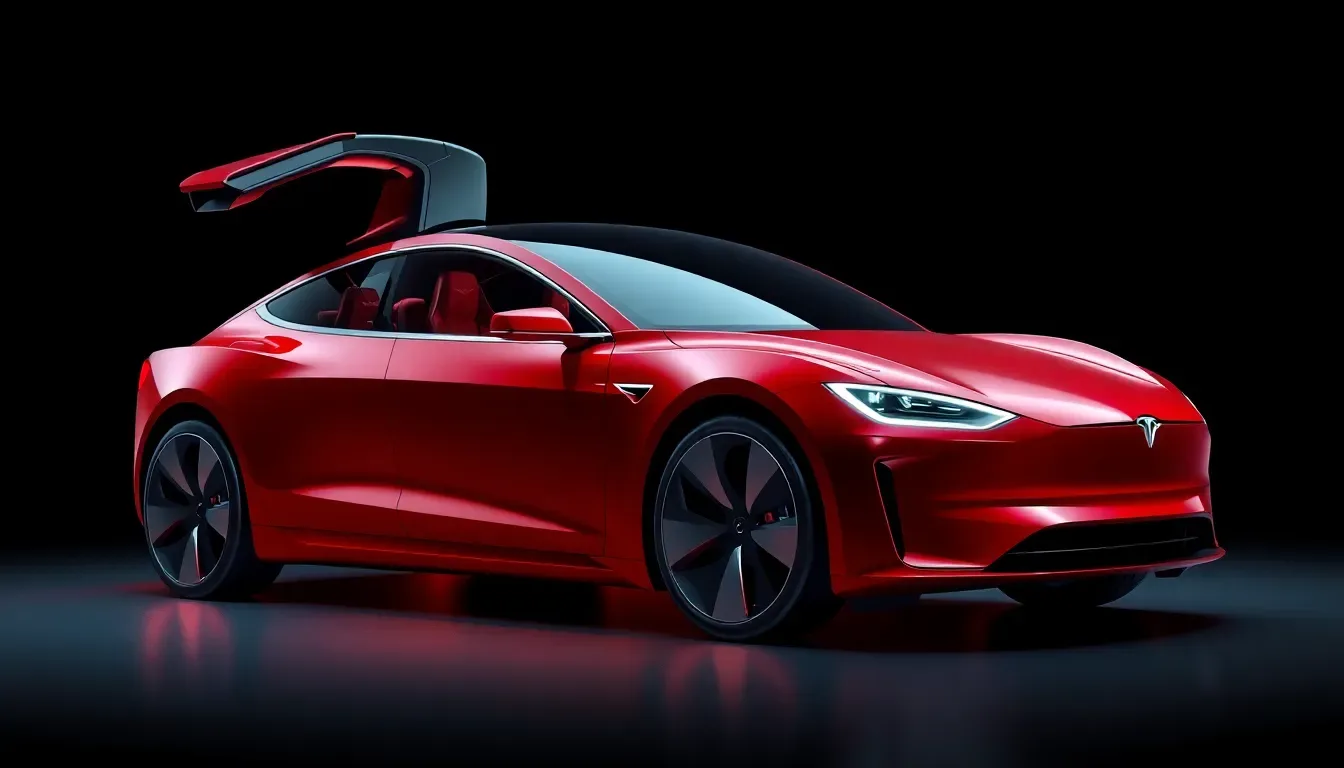
The evolution of autonomous driving technology has been a game-changer in the automotive industry, with Tesla at the forefront of these advancements. Recently, the company launched the Full Self-Driving (FSD) version 14.2.1.25, which promises a significant leap in performance and user experience. This update was unexpectedly paired with Tesla’s Holiday Update, generating excitement among Early Access Program (EAP) members. What does this latest iteration bring to the table? Let’s dive in.
Overview of the Latest Update
Tesla’s decision to roll out the Full Self-Driving v14.2.1.25 marks a pivotal moment in the development of its autonomous driving capabilities. Early testers were taken by surprise, as the update was launched alongside the highly anticipated Holiday Update. This dual release not only showcases Tesla’s commitment to continuous improvement but also highlights the integration of user feedback into their software development process.
Following extensive testing on the roads, the enhancements made in v14.2.1.25 have been described as impressive, particularly in areas where previous versions had faced challenges.
Improvements in Speed Profiles
One of the most significant changes in the latest version is the refinement of Speed Profiles. In earlier iterations, particularly v14.2.1, many users faced issues with the behavior of modes like Hurry Mode, which was overly conservative and often capped speed at just 10 MPH above the limit. This led to frustrating situations where the vehicle would impede traffic flow.
- Hurry Mode now travels with the flow of traffic, eliminating previous speed constraints.
- The vehicle adapts better to varying speed conditions, enhancing overall driving comfort.
- Users can now rely on the system to maintain appropriate speeds without frequent manual intervention.
These refinements have resulted in a more seamless driving experience, particularly during highway operations where maintaining speed is crucial.
Enhanced Lane Change Confidence
Another key area of improvement in v14.2.1.25 is the vehicle’s confidence in executing lane changes. Previous versions displayed hesitance, often resulting in unnecessary or poorly timed lane shifts. This could lead to driver frustration and an increased need for manual steering adjustments.
With the new update, lane changes are executed with greater assurance, showcasing better decision-making regarding when to switch lanes. Testers reported:
- Confident lane changes at appropriate times, reducing the need for driver intervention.
- Improved awareness of surrounding vehicles, allowing for smoother transitions.
- Strategic positioning in lanes, especially when approaching exits.
These enhancements contribute to a more relaxed driving experience, allowing drivers to trust the system to navigate complex situations.
Speed Limit Recognition Issues Resolved
Speed limit recognition has historically been a contentious aspect of Tesla’s Full Self-Driving capabilities. In the past, the system occasionally misinterpreted signs, leading to significant and sometimes dangerous drops in speed. For instance, misreading a sign intended for trucks could cause the car to abruptly slow down on a highway.
However, v14.2.1.25 has made strides in this area. The update appears to rely less on signage and more on map data and the behavior of nearby vehicles, resulting in fewer incorrect adjustments. Key improvements include:
- Reduced reliance on identifying speed limit signs that may not apply.
- Maintaining appropriate speeds even when misreading signs.
- Enhanced ability to gauge traffic patterns, allowing for smoother driving experiences.
Testers noted that despite seeing conflicting information on speed limits, the vehicle maintained a consistent speed that seemed appropriate for the situation, significantly reducing the need for driver intervention.
Identifying Remaining Challenges: Parking Issues
Despite the many improvements, testers did encounter challenges, particularly concerning parking functionalities. Many users have expressed a desire for enhancements in this area, as parking has proven to be less reliable in recent updates.
During testing, one driver observed:
“My lone complaint with my drive on Tesla FSD v14.2.1.25 was this strange parking instance. FSD swung out wide to the left to pull into this spot, and this is where it seemed to be stumped.”
This highlights that while the driving functions have improved dramatically, parking capabilities still require significant attention. Users are eagerly awaiting future updates focused on enhancing this feature.
The Future of Tesla’s Full Self-Driving Technology
With the release of v14.2.1.25, Tesla has demonstrated its commitment to refining its self-driving technology. The enhancements noted in speed profiles, lane changes, and speed limit recognition signify a step forward in creating a more reliable and user-friendly autonomous driving experience.
As Tesla continues to listen to user feedback, the potential for further innovations remains vast. Future updates will likely address remaining challenges, particularly in parking, ensuring that Tesla maintains its position as a leader in the autonomous vehicle sector.
- Anticipated updates may include:
- Further improvements in parking algorithms.
- Enhanced vehicle-to-vehicle communication for better traffic integration.
- Continuous refinements based on real-world driving data.
As the landscape of autonomous driving evolves, Tesla’s Full Self-Driving technology stands poised to redefine the way we think about vehicle operation, safety, and convenience. The journey is ongoing, and with each update, the horizon looks brighter for both Tesla and its users.