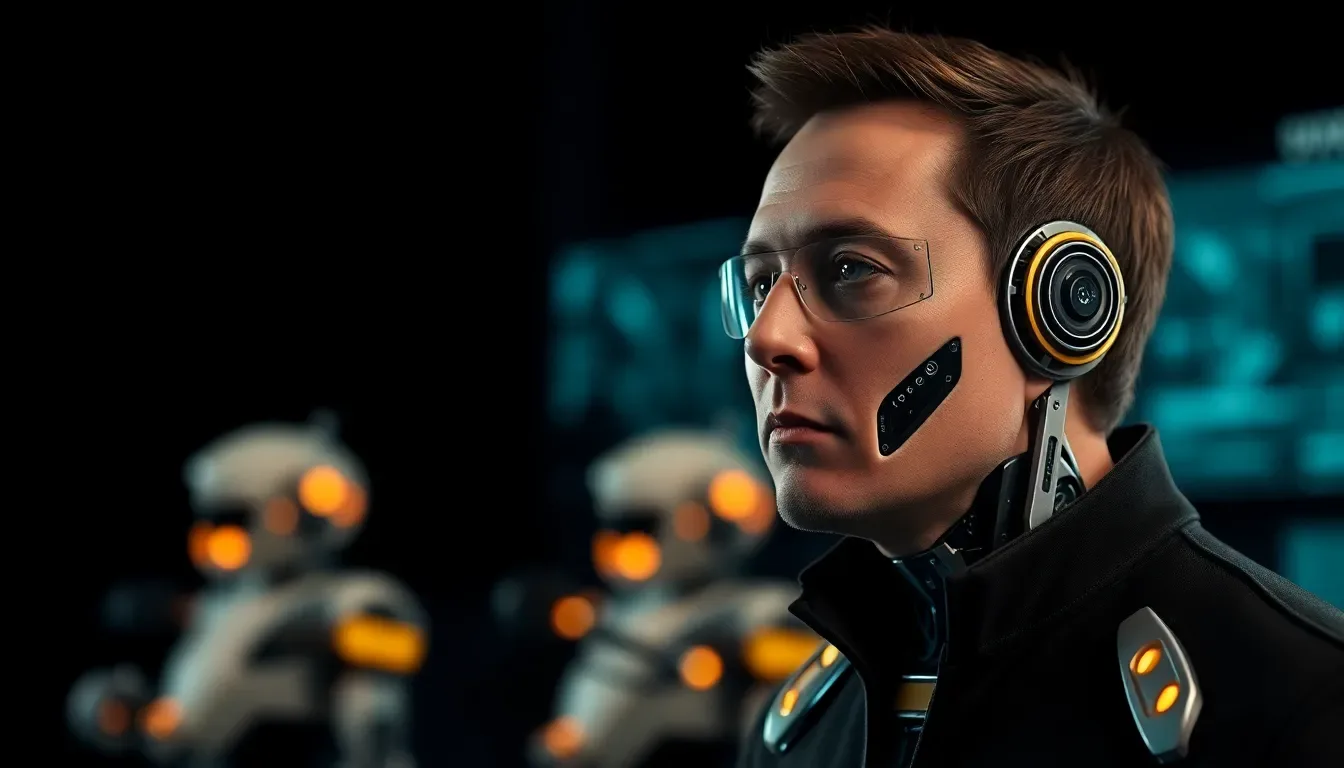
In an era where technological advancements shape our daily lives, the prospect of automation significantly impacting the nature of work has gained considerable attention. Elon Musk, the CEO of Tesla and a prominent figure in the tech industry, has recently suggested that within the next twenty years, artificial intelligence (AI) and robotics could render traditional work “optional.” This bold claim invites us to explore the implications of such a shift in our society.
Elon Musk envisions a future with optional work
Elon Musk has long been a visionary in the fields of technology and transportation. His recent comments about the future of work suggest a dramatic transformation in how we perceive employment. By leveraging AI and robotics, Musk predicts that many jobs currently performed by humans could be automated, leading to a society where working is not a necessity for survival.
This perspective challenges the conventional understanding of work. Traditionally, employment has been tied to financial stability and social identity. If work becomes optional, individuals may have the freedom to pursue passions, hobbies, or other interests without the pressure of financial obligations.
The role of AI and robotics in the workforce
The integration of AI and robotics into various industries is already underway. Here are some key areas where these technologies are making significant strides:
- Manufacturing: Automation has transformed assembly lines, increasing efficiency and reducing costs.
- Healthcare: AI systems assist in diagnostics, patient management, and even robotic surgeries.
- Transportation: Self-driving vehicles are being tested and deployed, potentially reshaping logistics and personal transport.
- Customer service: AI chatbots and virtual assistants handle inquiries, reducing the need for human staff in certain roles.
As these technologies continue to evolve, the potential for reducing the necessity of human labor increases, raising questions about the future job landscape.
Societal implications of work becoming optional
The shift toward optional work would have profound effects on society. Here are some potential implications:
- Economic adjustments: With fewer people reliant on traditional jobs, economies may need to adapt to new models of income distribution.
- Changes in social structure: Work often defines social status. A society without mandatory employment could reshape social hierarchies.
- Increased leisure time: People may have more time for personal development, creative pursuits, and community engagement.
- Education reform: Educational institutions may shift focus from job preparation to fostering skills in creativity, critical thinking, and emotional intelligence.
These changes could lead to a more fulfilled society but also present challenges regarding how we define purpose and success.
Challenges and concerns about automation
Despite the promising possibilities, there are significant challenges and concerns associated with the transition to a future where work is optional:
- Job displacement: Many workers may find themselves unemployed as their roles become automated.
- Income inequality: The benefits of automation might not be evenly distributed, leading to increased economic disparity.
- Regulatory hurdles: Governments may need to create new frameworks to manage the transition and protect workers’ rights.
- Social unrest: A sudden shift in the job market could lead to dissatisfaction and unrest among those affected.
Addressing these challenges will require collaborative efforts among governments, businesses, and communities to ensure a smooth transition.
The future of education in an automated world
As the nature of work changes, so too must our approach to education. Preparing future generations for a world where traditional jobs may not be necessary is crucial. Here are some key considerations for educational reform:
- Focus on soft skills: Skills like communication, empathy, and critical thinking will be invaluable in a job market dominated by automation.
- Emphasis on lifelong learning: Continuous education through courses and workshops will be essential for adapting to new technologies.
- Encouraging creativity: Fostering creative thinking can empower individuals to innovate and create new opportunities.
These strategies can help ensure that individuals remain relevant in a rapidly changing job market.
Conclusion: The transformative power of AI and robotics
Elon Musk’s assertion that work could become optional within the next two decades presents an exciting yet daunting vision for the future. While the benefits of increased automation and AI integration are clear, the societal implications are complex and multifaceted. As we navigate this transition, it is essential to address the challenges and opportunities that arise, ensuring that all individuals can thrive in a world where work is no longer a necessity.