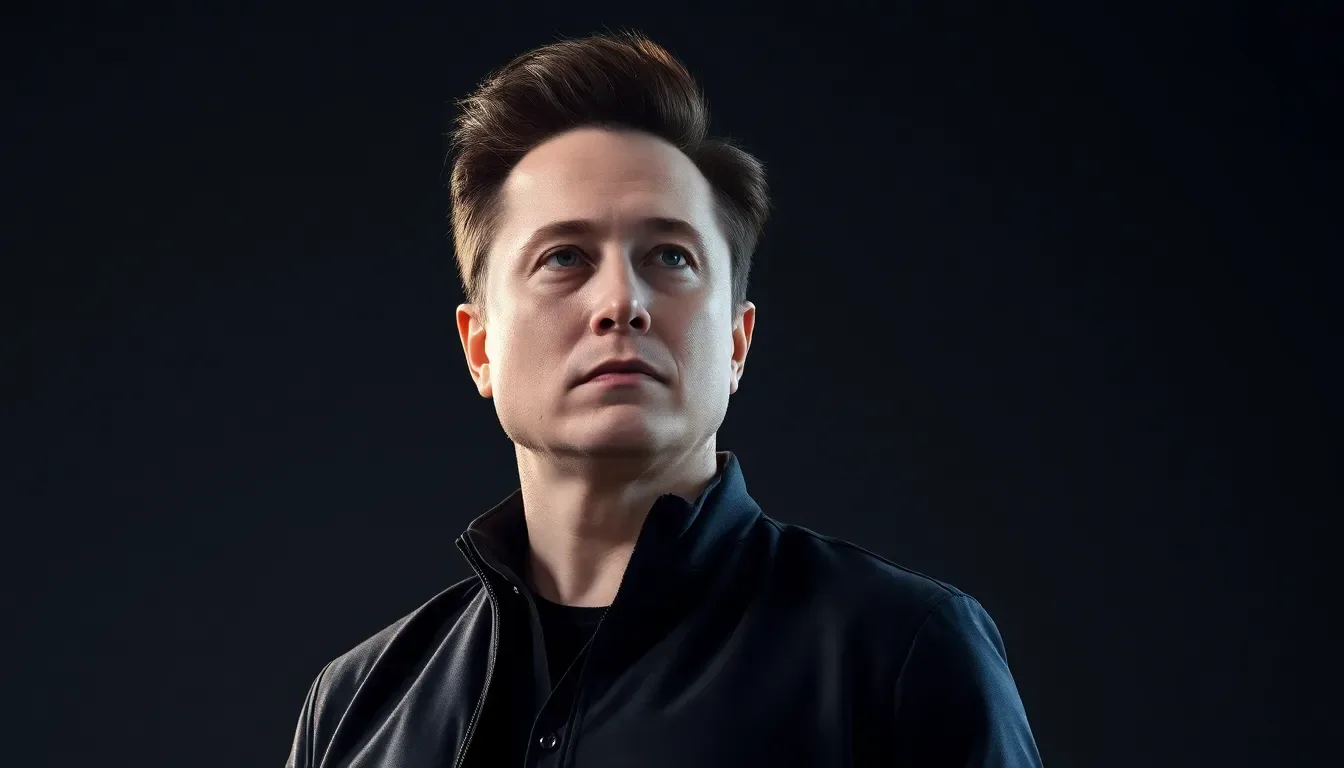
Elon Musk, the visionary behind numerous groundbreaking companies, recently highlighted SpaceX’s commitment to global humanitarian aid through its satellite internet service, Starlink. This announcement comes at a critical time, as natural disasters continue to wreak havoc across the globe, leaving communities in dire need of reliable communication.
Musk’s comments reflect a broader initiative by Starlink to provide essential services during crises, reinforcing the company’s dedication to supporting those affected by unforeseen calamities. As we delve into the details of Musk’s recent statements and the implications of Starlink’s actions, we gain insight into how technology can play a pivotal role in disaster relief.
Starlink’s free service in Indonesia and Sri Lanka
In a recent move, Starlink announced the provision of free internet service for individuals impacted by devastating flooding in Indonesia and Cyclone Ditwah in Sri Lanka. This initiative is a testament to the company’s agile response in deploying satellite terminals to affected regions swiftly.
- In Indonesia, Starlink has partnered with government agencies to restore connectivity in the Sumatra region, where traditional communication networks have been severely disrupted.
- The free service extends to both new and existing customers until the end of December, ensuring that those affected can stay informed and connected.
- In Sri Lanka, the same provisions are in place, with Starlink working closely with local authorities to facilitate quick deployment and support in the wake of the cyclone.
Musk emphasized on social media, stating, “It would not be right to profit from misfortune.” This philosophy underpins Starlink’s operational ethos, prioritizing humanitarian aid over profit during crises. Through these efforts, Starlink is not only restoring communication but also bridging critical gaps in information dissemination during emergencies.
The track record of Musk’s companies in crisis support
Musk’s companies, including Tesla and SpaceX, have a history of providing aid in times of need, often without seeking publicity. This proactive approach challenges the common narrative that portrays Musk solely as a profit-driven businessman.
- After the devastating earthquake in Japan in January 2024, Tesla opened its Supercharger stations for free, enabling emergency responders and affected individuals to recharge their electric vehicles.
- During the 2023 Maui wildfires, Starlink’s satellite services were deployed to assist in communication and coordination efforts.
- In 2024, the company provided essential internet connectivity during Hurricane Helene in North Carolina, facilitating emergency response actions.
These initiatives total millions in waived fees and logistical support, showcasing Musk’s commitment to leveraging technology for social good. As Musk himself noted, the motivation for these actions often stems from engineering solutions rather than public relations optics.
Media narratives around Musk and his companies
Despite these humanitarian efforts, mainstream media often paints a different picture of Musk, portraying him as a controversial figure driven by self-interest. Such narratives have intensified as Musk’s policies and statements have shifted towards more conservative viewpoints.
For instance, recent protests against Tesla and its operations highlight the growing divide between public perception and the actual practices of the company. Negative media coverage can lead to significant misunderstandings regarding the motivations behind Musk’s actions, especially when viewed in isolation.
What is Elon Musk’s 1-hour rule?
In business, Musk is known for his intense focus and productivity strategies, one of which is often referred to as the “1-hour rule.” This approach emphasizes the importance of maintaining a structured schedule to maximize efficiency.
The essence of this rule lies in breaking down tasks into manageable segments, allowing for focused work periods followed by brief breaks. This technique has proven effective not only in Musk’s companies but also serves as an inspiration for many entrepreneurs seeking to enhance their productivity.
The significance of the number 42 to Elon Musk
The number 42 holds special significance for Musk, as it is famously known as the “Answer to the Ultimate Question of Life, the Universe, and Everything” from Douglas Adams’ science fiction series, *The Hitchhiker’s Guide to the Galaxy*. Musk’s affinity for this number reflects his appreciation for innovative thinking and exploration.
Using this number in various contexts, Musk has often expressed his belief in pushing the boundaries of understanding and existence, resonating with his ventures in space exploration and technology.
Faith and beliefs: Does Musk believe in God?
Musk’s views on religion and spirituality have sparked considerable debate. He has often expressed skepticism about traditional religious institutions, while also acknowledging the complexities of existence and the universe.
His focus on scientific inquiry and technological advancement suggests a more secular approach to understanding life, yet he remains open to philosophical discussions about the existence of a higher power.
SpaceX and its billionaire ownership
As the founder of SpaceX, Elon Musk is synonymous with the company. His vision has driven SpaceX to the forefront of aerospace innovation, making it a leader in the commercial space sector.
Under Musk’s leadership, SpaceX has achieved significant milestones, including:
- Successful reusability of rocket components, drastically reducing the cost of space travel.
- Launch of the Starlink satellite constellation, aimed at providing global broadband coverage.
- Development of the Starship vehicle, designed for missions to Mars and beyond.
Through these initiatives, Musk continues to redefine the possibilities of space exploration, inspiring a new generation of scientists and engineers.
Musk’s ongoing rivalry with Bill Gates
The relationship between Musk and Bill Gates has been contentious, particularly concerning Gates’ short position against Tesla. Musk has publicly criticized Gates for betting against his company while simultaneously seeking philanthropic opportunities.
This ongoing tension reflects broader debates in the tech industry regarding business practices and ethical considerations. Musk’s recent comments about Gates’ financial losses due to his short position further underscore the competitive nature of their relationship.
The future of Tesla’s Robotaxi services
As Tesla continues to roll out its Robotaxi platform, industry analysts emphasize the need for speed and efficiency in scaling driverless operations. This expansion is crucial for profitability, especially as Tesla seeks to capture a larger share of the autonomous vehicle market.
- Analysts predict that the key focus will be on how quickly Tesla can deploy its technology to additional cities.
- Successful implementation of driverless rides in Austin is considered a significant milestone in this venture.
- The removal of Safety Monitors during testing signals Tesla’s commitment to advancing its autonomous capabilities.
As Tesla prepares for major expansions, the company’s ability to navigate regulatory challenges and public perception will play a significant role in its success.
In conclusion, Elon Musk’s recent initiatives through SpaceX’s Starlink service represent a broader commitment to humanitarian efforts amidst a complex narrative shaped by media and public perception. His ongoing ventures continue to push the boundaries of technology while addressing critical global challenges.