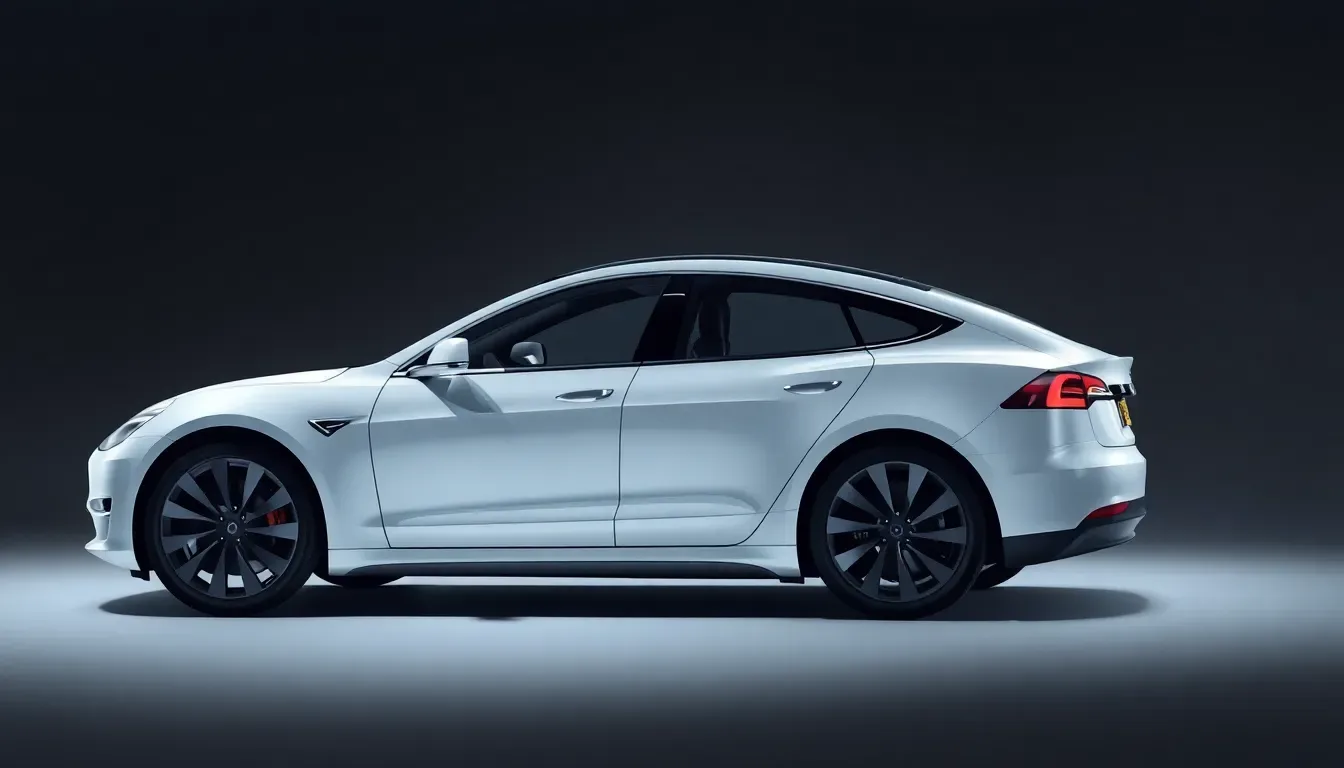
Tesla, a pioneer in the electric vehicle (EV) industry, is undergoing a remarkable transformation that goes beyond just car deliveries. As the company moves into 2026, analysts are beginning to realize that the traditional metrics of success, particularly vehicle deliveries, are becoming less relevant to its stock valuation. This shift reflects a broader change in how investors and the market perceive Tesla’s future.
Changing Perspectives on Tesla’s Stock Valuation
Dan Levy, an analyst at Barclays, has recently indicated that vehicle deliveries may no longer hold the same weight in assessing Tesla’s stock. This perspective marks a significant departure from the past, where delivery numbers were critical indicators of the company’s growth and market performance.
With the advent of new technologies and initiatives, many investors are shifting their focus from vehicle sales to Tesla’s advancements in artificial intelligence (AI) and robotics. CEO Elon Musk has frequently underscored the importance of these areas, suggesting that they will drive the bulk of Tesla’s value in the long term.
As Musk stated, “The future of the company is fundamentally based on large-scale autonomous cars and large-scale and large volume, vast numbers of autonomous humanoid robots.” This statement encapsulates a vision that transcends traditional automotive metrics.
The Diminishing Importance of Delivery Figures
Historically, Tesla’s quarterly delivery figures were closely scrutinized by analysts and investors alike. Significant fluctuations in the stock price were often tied directly to whether the company met or exceeded its delivery forecasts:
- January 3, 2022: +13.53% after record deliveries
- January 3, 2023: -12.24% following missed delivery estimates
- July 2, 2024: +10.20% after beating expectations
- October 3, 2022: -8.61% due to factory shutdowns
- July 2, 2020: +7.95% surpassing low expectations during COVID-19
However, in recent quarters, there has been a noticeable shift in investor sentiment. Many are now prioritizing progress in AI initiatives, such as the development of Tesla’s Optimus robot and advancements in autonomous driving technology, over conventional delivery metrics.
The Future Focus: AI and Robotics
As Tesla pivots towards AI and robotics, the company is betting that these sectors will not only redefine its market position but also enhance its overall valuation. The integration of AI into Tesla vehicles and the ongoing development of autonomous robots represent two key areas of growth:
- Optimus: Tesla’s humanoid robot, designed for a variety of applications, from manufacturing to personal assistance.
- Autonomous Driving: Innovations in self-driving technology are expected to revolutionize personal transportation.
- AI Integration: Leveraging AI to improve vehicle performance and safety features, enhancing user experience.
Investors are increasingly eager to see tangible outcomes from these projects, which they believe will ultimately drive Tesla’s financial success and stock valuation.
Market Reactions and Analyst Insights
Levy’s note to investors reflects a growing consensus that the fourth-quarter delivery figures may not have the same impact on Tesla’s stock as in prior years. Barclays anticipates softer delivery numbers for the quarter, which underscores the evolving landscape of investor priorities.
While traditional automotive growth metrics still hold some relevance, they are gradually being overshadowed by the potential of Tesla’s innovations in AI and robotics. Analysts are increasingly recognizing that Tesla’s valuation will hinge more on software and technological advancements than on the sheer number of cars sold.
Investor Sentiment and Future Predictions
The transition in investor focus raises questions about how Tesla’s stock will react to future earnings reports. With greater emphasis placed on technological developments rather than delivery figures, it’s crucial for Tesla to demonstrate progress in its AI and robotics initiatives.
Investors are watching closely for key indicators that may signal the company’s ability to capitalize on its investments in these areas:
- Updates on the Optimus robot’s capabilities and deployment timelines.
- Progress on Full Self-Driving (FSD) technology and its integration into the Tesla ecosystem.
- Partnerships or collaborations that enhance Tesla’s AI capabilities.
Ultimately, while vehicle deliveries will remain a component of Tesla’s operations, their significance is waning as the company charts a new course driven by innovation.
Conclusion: A New Era for Tesla
As Tesla navigates these changes, the landscape of electric vehicles and advanced technologies continues to evolve. The company is not just an automaker; it is positioning itself as a leader in AI and robotics, potentially reshaping what it means to be a technology company in the automotive space. This shift invites a fresh perspective on Tesla’s value and growth trajectory, one that may redefine the company’s success metrics for years to come.