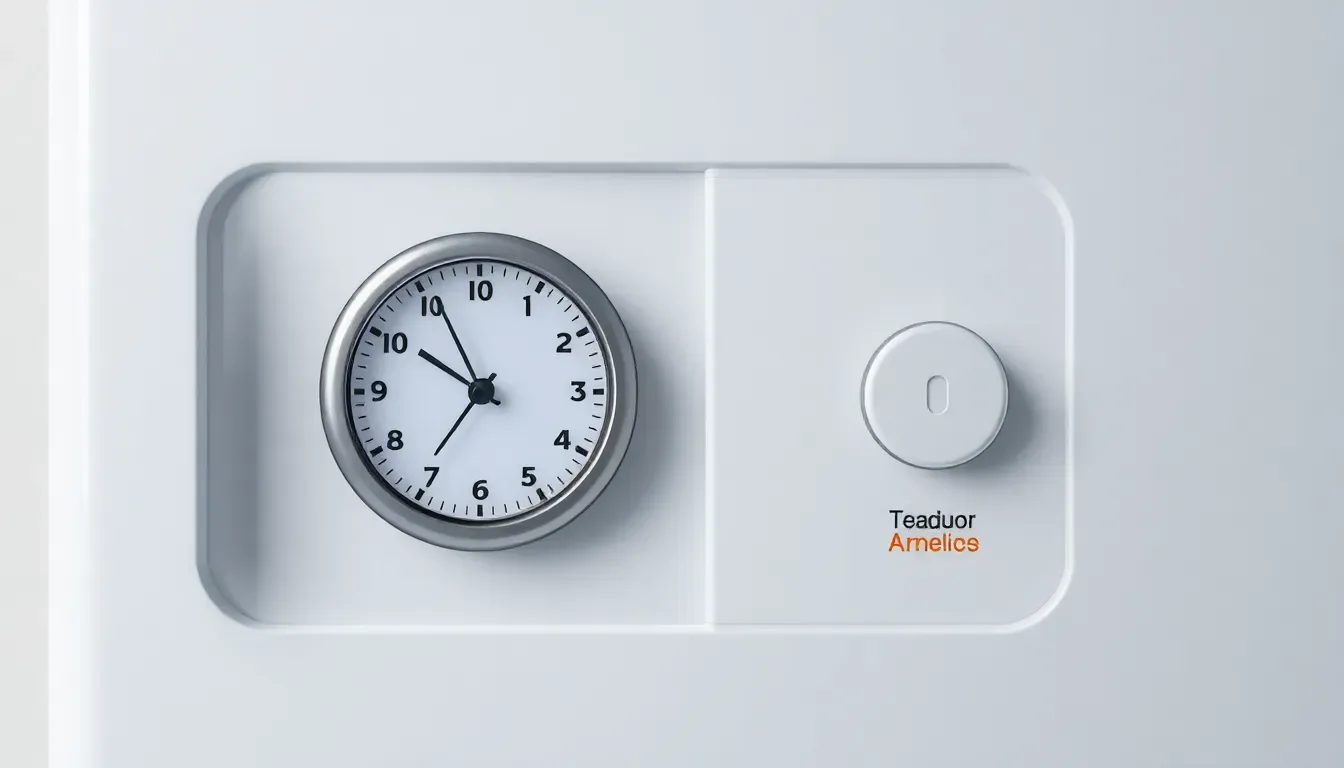
Understanding the inner workings of your refrigerator can significantly enhance its performance and longevity. One of the key components that plays a crucial role in this appliance is the timer. In this article, we will explore the functions, adjustments, and common issues related to the timer in a refrigerator, providing you with valuable insights.
Whether you are facing cooling issues or simply want to understand how your refrigerator operates, this guide will equip you with the knowledge you need.
What is the timer in a refrigerator?
The timer in a refrigerator is a critical component that regulates the defrost cycle in frost-free models. This device is usually electro-mechanical or electronic and is responsible for ensuring that the refrigerator alternates between cooling and defrosting at appropriate intervals.
Typically, the timer operates on a set schedule. For example, it might turn off the compressor after a certain period of time, allowing the evaporator coils to warm up and melt any frost build-up. This process is vital for maintaining the efficiency of your refrigerator.
- Prevents frost accumulation on the evaporator coils.
- Regulates temperature to ensure food safety.
- Extends the lifespan of the compressor.
How to adjust the timer of a refrigerator
Adjusting the timer on your refrigerator can be necessary if you notice that the defrost cycle is not functioning as it should. Here’s how you can make adjustments:
- Locate the timer, usually found in the control panel or behind the fridge.
- Set the timer to the desired defrost interval, typically between 6 to 12 hours.
- Test the refrigerator to ensure that it properly cycles through cooling and defrosting.
Always refer to your refrigerator’s manual for specific instructions related to your model.
Understanding the cost of refrigerator timers
The price of a refrigerator timer can vary significantly based on the brand and model of your appliance. On average, you can expect to pay:
- Basic mechanical timers: $15 – $50
- Electronic timers: $30 – $100
- Installation costs (if you hire a professional): $50 – $150
While it may be tempting to choose the cheapest option, consider investing in a quality timer to ensure the long-term efficiency of your refrigerator.
Common failures associated with refrigerator timers
Various issues can arise with refrigerator timers that may affect the overall performance of the appliance. Here are some common failures:
- The timer does not advance, leading to continuous cooling or defrosting cycles.
- Inconsistent temperature control within the fridge and freezer compartments.
- Unusual noises, indicating that the timer is malfunctioning.
If you notice any of these symptoms, it might be time to inspect or replace the timer.
Where is the timer located in a refrigerator?
Finding the timer in your refrigerator can be a bit tricky, as its location varies between models. Generally, you can check:
- Behind the control panel, on the back of the refrigerator.
- Inside the freezer compartment, attached to the wall.
- Near the compressor area at the back of the unit.
Consult your user manual for specific guidance on locating the timer in your refrigerator model.
How to adjust the timer for LG refrigerators
LG refrigerators often come equipped with advanced electronic timers. Here’s a simple guide to adjusting the timer:
- Access the control panel by opening the refrigerator door.
- Look for the “Settings” or “Timer” button.
- Press the button to adjust the defrosting interval according to your needs.
Always refer to your model’s user guide for detailed instructions.
Identifying if the timer is damaged
Determining whether your refrigerator timer is malfunctioning can save you time and money. Look out for these signs:
- Constant frost build-up in the freezer.
- Running compressor without stopping.
- Fridge not cooling properly.
If you observe any of these symptoms, it’s advisable to test or replace the timer.
Specifics of the Mabe refrigerator timer
Mabe refrigerators feature their unique timers that function similarly to other brands. These timers are designed for efficiency and reliability. If you own a Mabe refrigerator, regular maintenance of the timer can enhance its performance.
When troubleshooting, consider the following:
- Check for signs of wear and tear.
- Ensure connections are secure and not corroded.
- Consult the Mabe manual for specific timer features.
Understanding the 6-hour timer function
Some refrigerators are equipped with a 6-hour timer function. This feature is designed to optimize the cooling process while minimizing energy consumption.
Typically, these timers work by:
- Cooling for 6 hours before initiating a defrost cycle.
- Allowing for efficient food preservation without frost build-up.
- Maintaining optimal temperatures for food safety.
It’s an excellent feature for households that want to balance efficiency with functionality.
How to set the refrigerator temperature correctly
The ideal temperature setting for your refrigerator is crucial for food preservation. Here’s how to set it:
- Refrigerator: 35°F – 38°F (1.6°C – 3.3°C)
- Freezer: 0°F (-17.8°C)
Regularly check the temperature using an appliance thermometer to ensure it’s within the recommended range for food safety.
What does the timer signify in refrigerator operation?
The timer is the backbone of efficient refrigerator operation. It ensures that the appliance runs at optimal levels by:
- Controlling the defrost cycle to prevent frost accumulation.
- Regulating temperature for food safety.
- Aiding in energy conservation by preventing overcooling.
Understanding the timer’s function can enhance your ability to maintain your refrigerator effectively.
How to determine if the thermostat in the refrigerator has failed
Failure of the thermostat can lead to temperature inconsistencies. Signs of a faulty thermostat include:
- The compressor running continuously.
- Temperature fluctuations inside the fridge.
- Failure to cool or freeze properly.
If you suspect thermostat issues, consider conducting a test or consulting a professional technician.