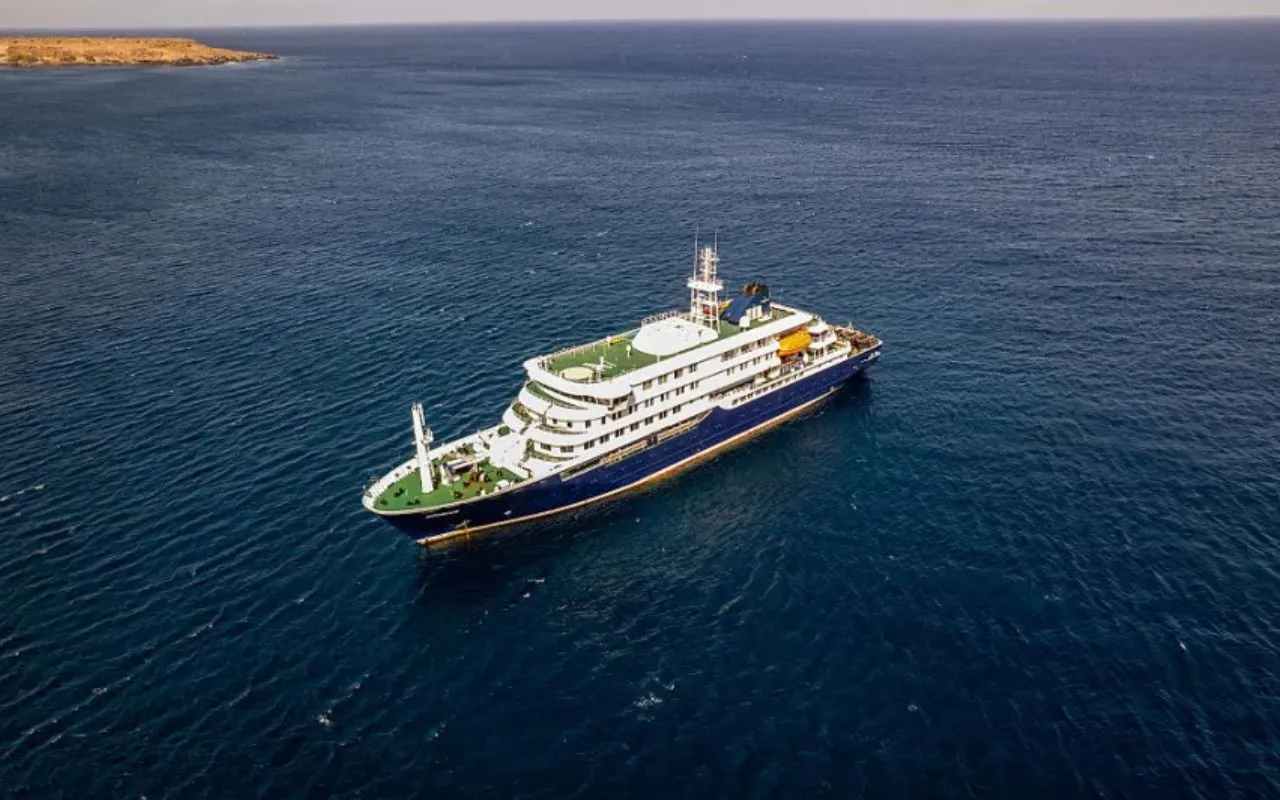
Recent events aboard the cruise ship MV Hondius have raised significant health concerns, particularly in relation to the hantavirus, a serious viral infection spread via rodent excretions. The reported outbreak has already claimed the lives of three passengers, with another individual battling for survival. This incident serves as a stark reminder of the potential health risks associated with travel, particularly in confined environments like cruise ships.
Understanding the implications of such outbreaks is crucial not only for the passengers involved but also for the broader public, as they highlight the need for vigilance in health measures within the tourism industry. Here, we delve deeper into the hantavirus, its transmission, and the responses necessary to mitigate such risks in the future.
What is hantavirus and how does it spread?
Hantavirus is part of a family of viruses that can cause various diseases in humans, primarily transmitted by rodents. The primary vectors for hantavirus include:
- Deer mice – Commonly found in rural and semi-rural areas in North America.
- Rice rats – Frequently encountered in agricultural areas.
- Voles – Known to inhabit grassy or marshy regions.
The virus is primarily transmitted through contact with rodent urine, droppings, or saliva. Inhaling dust contaminated with these substances can lead to infection. Although human-to-human transmission is rare, it has been documented in certain cases, making understanding the dynamics of the virus crucial for public health.
Symptoms of hantavirus infection can begin to manifest between one to eight weeks after exposure and may include:
- Fever and chills
- Muscle aches
- Dizziness and fatigue
- Headaches
- Nausea and vomiting
In severe cases, the infection can progress to Hantavirus Pulmonary Syndrome (HPS), which can lead to respiratory failure and has a mortality rate of approximately 35%. This highlights the importance of early detection and medical intervention.
How did the hantavirus outbreak occur on the MV Hondius?
The outbreak aboard the MV Hondius reportedly began during its voyage along the African coast. The ship, operated by Oceanwide Expeditions, had embarked from Argentina and was en route to Cape Verde when the first cases were identified. The first victim, a 70-year-old man, tragically succumbed to the disease, with his 69-year-old wife also passing shortly after due to related complications.
Reports indicate that there was at least one confirmed case of hantavirus, with several others pending confirmation. This underscores the critical need for immediate responses from health authorities and the cruise line in managing the outbreak and protecting other passengers. The World Health Organization (WHO) has been actively involved, assisting in medical evacuations and assessments of public health risks for those still aboard.
The cruise industry and health outbreaks
The MV Hondius incident is not an isolated one; cruise ships have been historically vulnerable to outbreaks of various illnesses. Common outbreaks include:
- Norovirus: Often spreads quickly in crowded environments, leading to gastrointestinal illness.
- Influenza: Seasonal outbreaks can affect large numbers of passengers and crew.
- COVID-19: The pandemic highlighted significant vulnerabilities within cruise travel due to close quarters.
The cruise industry has faced increasing scrutiny regarding health protocols in the wake of such outbreaks. Enhanced sanitation measures, health screenings before boarding, and immediate isolation procedures are essential to prevent infection spread. The use of technology, like contact tracing apps, has also been proposed as a means to improve response times during outbreaks.
Current situation and health measures on the MV Hondius
Following the outbreak, health authorities are working diligently to manage the situation. The WHO reported that they are currently focused on:
- Evaluating the health status of remaining passengers.
- Facilitating medical evacuations for symptomatic individuals.
- Conducting a thorough assessment of the ship’s sanitation protocols.
Efforts to repatriate passengers and crew members involved are underway, with discussions about potential isolation measures in Cape Verde and subsequent transportation to Spain’s Canary Islands. Oceanwide Expeditions has confirmed its commitment to ensuring the health and safety of all passengers, emphasizing their responsibility in managing such crises.
Preventive measures and public health recommendations
In light of this incident, both the cruise line and health authorities are urged to implement and maintain rigorous health protocols to prevent future outbreaks. Recommendations include:
- Enhanced sanitation: Regular disinfection of common areas and cabins.
- Health screenings: Mandatory health checks for passengers before embarkation.
- Education: Informing passengers about the risks and symptoms of diseases such as hantavirus.
- Response plans: Establishing clear action plans for managing outbreaks, including evacuation and treatment protocols.
Understanding these preventive strategies is crucial for enhancing overall safety in the cruise industry, which remains a popular mode of travel despite its vulnerabilities.
The broader implications of hantavirus outbreaks
This outbreak serves as a stark reminder of the interconnectedness of global health and travel. As outbreaks can occur in any setting, travelers must remain aware of the potential risks associated with certain environments. Public health authorities worldwide must remain vigilant and proactive in monitoring diseases that can impact travel, particularly in light of changing climate patterns and wildlife interactions.
Furthermore, the tourism industry must prioritize health and safety to maintain public confidence. Implementing robust health protocols and fostering transparency during health crises will be essential in reassuring travelers and protecting public health.
As we continue to navigate the complexities of global travel, each incident will inform better practices and strategies to safeguard public health, ensuring that travel remains a safe and enjoyable experience for everyone involved.