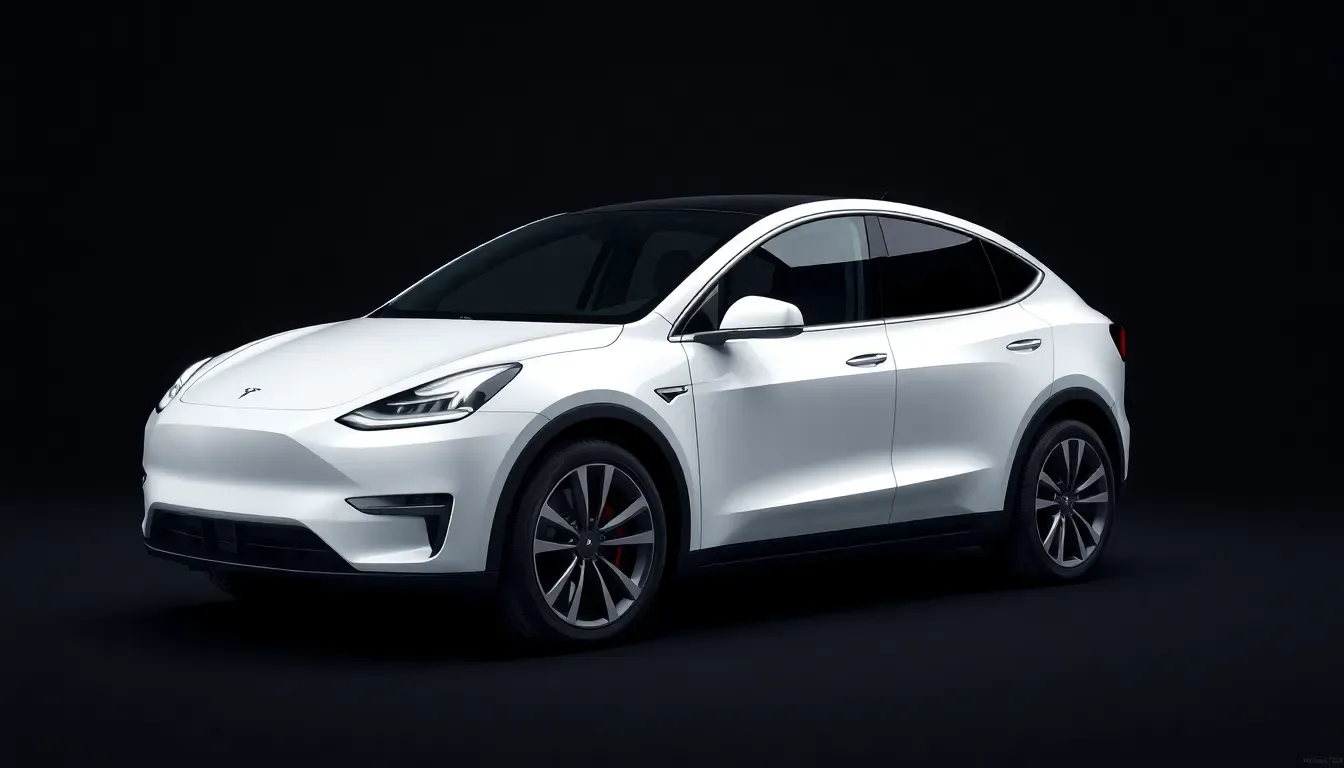
As Tesla continues to reshape the automotive landscape, its latest developments are setting the stage for a transformative future in transportation. With innovations in self-driving technology and the introduction of more affordable models, the company is working to address both consumer needs and market challenges. This article will delve into Tesla’s recent earnings narrative, new features in its Full Self-Driving (FSD) software, and the broader implications of these advancements.
The evolving narrative around Tesla’s earnings
As Tesla gears up to report its third-quarter earnings, analysts are increasingly suggesting that traditional metrics such as delivery numbers are losing significance. The focus is shifting towards the company’s broader technological ambitions, particularly its journey toward autonomy. According to Gene Munster from Deepwater Asset Management, “Numbers are going down next year, but that’s ok because it’s all about autonomy.”
This perspective highlights a key shift in how investors should view Tesla. Instead of fixating solely on delivery figures, which soared to a record 497,099 units in Q3, there is a growing understanding that Tesla’s future lies beyond just selling vehicles.
While the drop in deliveries is anticipated, Munster emphasizes that Tesla’s ventures into autonomous driving and related technologies will drive long-term value. This sentiment is echoed by other industry experts who acknowledge that Tesla’s innovations in self-driving capabilities are crucial in positioning the company as a leader in the automotive industry.
Tesla’s strategies amid changing market dynamics
In response to the recent loss of the $7,500 tax credit, Tesla has implemented several strategic measures to maintain customer interest and sales. Some of these strategies include:
- Launching new Standard models to cater to a wider audience.
- Offering lease deals that significantly reduce upfront costs.
- Cutting lease prices by up to 23% to encourage short-term demand.
Such adaptations not only showcase Tesla’s agility in a competitive market but also reflect its commitment to making electric vehicles more accessible. These moves are particularly important as the company navigates shifting consumer incentives and regulatory landscapes.
Innovations in Full Self-Driving technology
Tesla’s approach to self-driving technology is unique in that it relies exclusively on camera systems, a strategy that diverges from the industry norm of utilizing a combination of LiDAR and radar. This decision, spearheaded by CEO Elon Musk, is rooted in the belief that camera-based systems can provide a more effective and comprehensive solution for autonomous driving.
Recently, Tesla rolled out a new feature in its Full Self-Driving (FSD) v14.1.3 update to address a common concern among owners: the accumulation of condensation and debris on the front camera, which can impede FSD functionality. This update includes:
- Automatic cleaning of the front camera to enhance visibility.
- Optimized aerodynamics for better performance at higher speeds.
- Real-time monitoring to ensure camera clarity and operational efficiency.
This proactive approach to software updates exemplifies Tesla’s commitment to continuous improvement, ensuring that its autonomous driving features remain functional and reliable.
The wider rollout of Full Self-Driving v14
Tesla is expanding the reach of its Full Self-Driving v14 update beyond the Early Access Program (EAP) to a broader customer base. This rollout is significant as it prepares for full deployment across Tesla’s fleet. The updates have included numerous enhancements and refinements, aimed at improving the overall driving experience.
Some notable features introduced in v14 include:
- A new Mad Max Speed Profile that mimics human driving behavior, adapting to traffic conditions.
- Improved lane change capabilities for smoother transitions during driving.
- Refinements to braking and acceleration to enhance rider comfort and safety.
Feedback from users has been overwhelmingly positive, with many reporting smoother and more intuitive driving experiences. As Tesla continues to roll out updates, it is clear that the company is focused on refining its technology to meet consumer expectations.
The future of autonomous driving with Tesla
Looking ahead, Tesla’s ambitions extend well beyond personal vehicles. The company is actively pursuing the development of a dedicated Robotaxi platform, which is intended to revolutionize urban transportation. Tesla has already launched pilot programs in states like Texas and California and is working to secure regulatory approvals in additional states, including Arizona and Nevada.
This initiative aligns with the broader trend of shared mobility solutions, catering to a growing demand for sustainable transportation options. Munster notes that while the Robotaxi concept is garnering significant attention, it is essential to not overlook the advancements in FSD technology, which serve as the backbone for these autonomous services.
Conclusion: A paradigm shift in the automotive industry
Tesla is not just redefining what it means to be an automotive company; it is reshaping the entire transportation ecosystem. By focusing on autonomous technologies and innovative product offerings, Tesla is setting the pace for the future of mobility. As the company continues to evolve, its commitment to enhancing self-driving capabilities and making electric vehicles more accessible will likely position it as a cornerstone of the next generation of transportation.