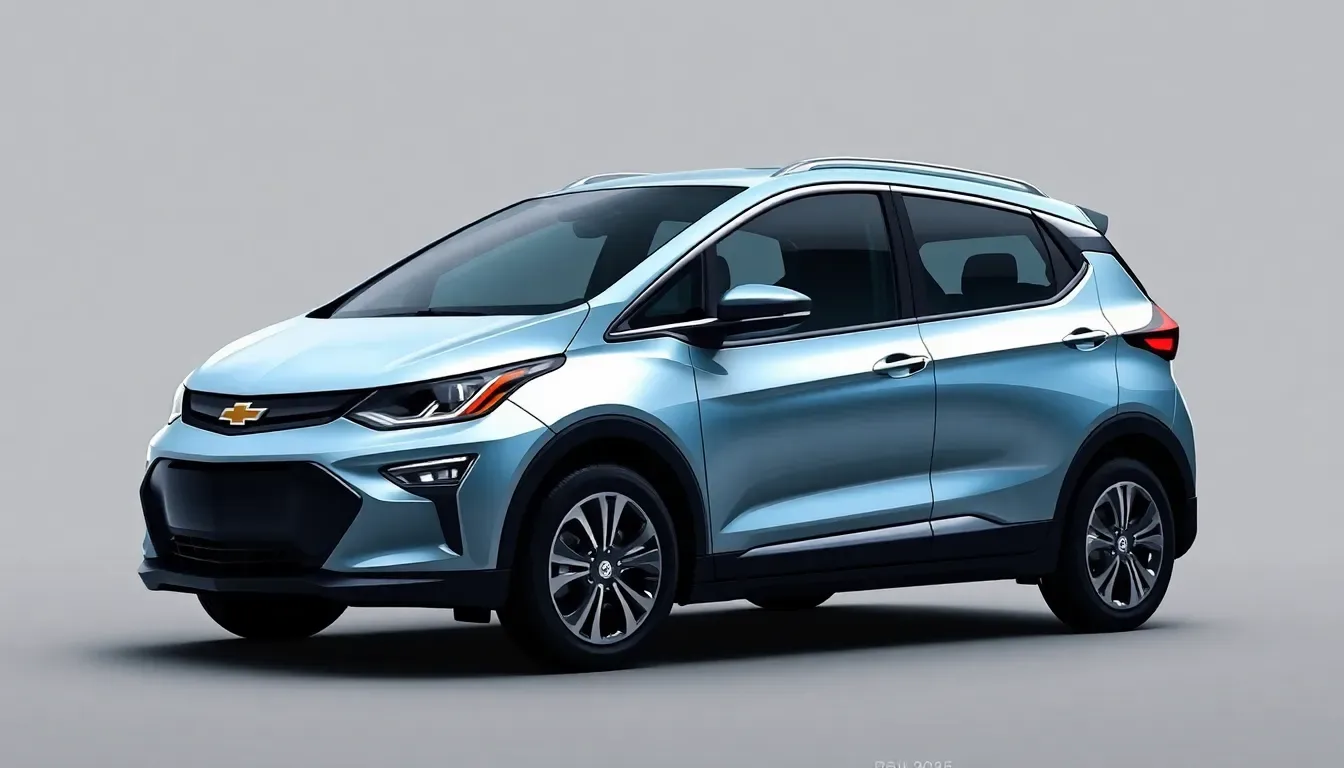
The electric vehicle (EV) market is evolving rapidly, with consumers increasingly seeking affordable options that don’t compromise on features or performance. However, the paradox remains: while the demand for budget-friendly EVs is soaring, many consumers still lean towards larger, more luxurious vehicles. The 2027 Chevy Bolt EV embodies this contradiction perfectly—it’s an impressive, affordable option that seems destined for obscurity. Let’s delve into the details of this fascinating vehicle.
Gallery: 2027 Chevy Bolt: First Drive
Experience the sleek design and innovative features of the 2027 Chevy Bolt through our gallery. This vehicle not only stands out for its performance but also for its aesthetic appeal.
What is the 2027 Chevy Bolt?
The 2027 Chevy Bolt is a continuation of the original long-range affordable EV, first introduced in 2016. At that time, it made headlines by offering a range of approximately 250 miles—an achievement that predated Tesla’s offerings for the average American consumer. Despite its pioneering spirit, the first-generation Bolt faced several limitations, including:
- No heat pumps, which are crucial for efficient heating in colder climates.
- A software suite that felt outdated compared to contemporary offerings.
- Initial lack of fast-charging capabilities, with support limited to just 55 kilowatts, which was insufficient for long-distance travel.
Nevertheless, the Bolt was well-liked for its charm, affordability, and driving enjoyment. The 2027 version aims to address the shortcomings of its predecessor by incorporating advanced technologies and features. This new model introduces the Google Built-In infotainment system, enhancing user experience with advanced connectivity options. Notably, it boasts an impressive fast-charging capability of up to 150 kilowatts, allowing for a 10-80% charge in just 26 minutes, which is faster than several other Chevrolet models.
| Specification | Details |
|---|---|
| Base Price | $28,995 (including destination) |
| Battery | 65 kilowatt lithium-iron-phosphate (LFP) |
| Charge Time | 10-80% in 26 minutes |
| EV Range | 262 miles |
| Drive Type | Front-wheel drive |
| Output | 210 hp / 169 lb-ft |
| Speed (0-60 MPH) | 6.8 seconds |
The 2027 Bolt utilizes lithium-iron-phosphate (LFP) battery chemistry, a choice that offers several advantages over traditional nickel-based batteries:
- Cost-effective and stable.
- Can be charged to 100% without degrading performance.
- Longer lifespan and reduced risk of overheating.
While the battery capacity remains at 65 kWh, the range has increased to 262 miles, surpassing the previous model’s 247 miles. Additionally, all 2027 Bolts adopt the SUV-like body style of the Bolt EUV, moving away from the original hatchback design.
Powering the Bolt is a front motor that delivers 210 horsepower and 169 lb-ft of torque, allowing it to accelerate from 0-60 MPH in just 6.8 seconds. Starting at $28,995, the Bolt is now positioned as one of the most affordable EVs in the United States.
However, the clock is ticking. The Kansas factory producing the Bolt is set to transition to manufacturing gas-powered SUVs after just 18 months, casting a shadow on the Bolt’s future.
Inside the 2027 Chevy Bolt
The interior of the new Bolt is noticeably improved, with a fresh design that enhances comfort and user interaction. While the exterior maintains a familiar look, the revamped interior incorporates the Google Built-In infotainment system, which offers a range of features:
- One-pedal driving control with adjustable levels of aggression.
- Automatic power on/off functionality.
- Advanced route planning with native navigation.
- Access to streaming services like Spotify, Apple Music, and even video platforms.
While CarPlay and Android Auto are not available, the infotainment system compensates by providing a rich suite of features that cater to modern drivers. Another noteworthy inclusion is a video recording feature that utilizes 360-degree cameras, similar to Tesla’s Sentry Mode, which records footage directly to a USB device.
The Bolt also excels in storage options, featuring an array of cubbies, shelves, and cupholders designed for practicality. Key storage features include:
- Two shelves in front of the passenger seat.
- A spacious glove box.
- Door pockets designed to hold water bottles.
- Multiple cupholders with adjustable dividers.
Moreover, the rear seating area is surprisingly spacious for a car of its size, offering ample legroom even for taller passengers. The front seats, however, have been noted for their lack of padding, which may pose comfort issues during extended drives.
Driving Experience of the 2027 Chevy Bolt
Behind the wheel, the Bolt offers a lively and engaging driving experience. The steering may not be the most responsive, but the vehicle’s compact size and instantaneous torque make it enjoyable on winding roads. Key driving characteristics include:
- Good acceleration out of corners, making it agile in urban environments.
- Decent highway comfort, though some body roll may be apparent during aggressive maneuvers.
- Handling that is predictable and stable under normal driving conditions.
The ride quality, however, can be bouncy, which is common in smaller vehicles with short wheelbases. This characteristic can lead to a slightly uncomfortable experience over rough road surfaces, reinforcing the stereotype that smaller cars are less comfortable.
On the highway, the Bolt proves to be a quiet and pleasant environment. With well-managed noise levels and available Super Cruise hands-free driving, it stands out in its class. The latest iteration of Super Cruise can even automatically adjust the vehicle’s position on the highway based on the planned route.
Despite its advanced features, the Super Cruise option comes at a significant premium. The package costs an additional $3,255 on top of already included features, resulting in a total price increase of 23% compared to the base model. Furthermore, after three years, users must subscribe to continue using it, which may deter prospective buyers.
Why the Future Looks Grim for the 2027 Chevy Bolt
Despite its many strengths, the 2027 Chevy Bolt faces an uncertain future. Chevy representatives highlight the loyalty of Bolt customers and the significance of affordability in their EV strategy, yet the reality is that American consumers often prefer larger vehicles. The withdrawal of the $7,500 tax credit and the introduction of tariffs may have sealed the Bolt’s fate, as GM pivots towards more profitable models.
This predicament underscores a larger trend in the automotive industry where the demand for small, affordable cars is waning, leading to a continuous cycle of production shifts away from such models.
Early Impressions of the 2027 Chevy Bolt
Overall, the 2027 Chevy Bolt is an impressive offering in the EV market. It combines affordability, practicality, and enjoyable driving dynamics. Highlights include:
- Availability in vibrant colors that appeal to a diverse customer base.
- Comprehensive technology package that rivals luxury vehicles.
- Charming design that aligns with modern consumer values.
However, the harsh reality remains: the market’s demand for larger, more extravagant vehicles overshadows the appeal of this affordable EV. Companies like GM face significant challenges in marketing such models when consumer preferences lean towards higher-priced alternatives with more perceived value.
The future of the Bolt may be limited, but it serves as a testament to what is possible in the realm of electric vehicles. The dream of creating a widely accepted and affordable EV remains alive, but it hinges on a cultural shift among consumers towards valuing practicality over excess.