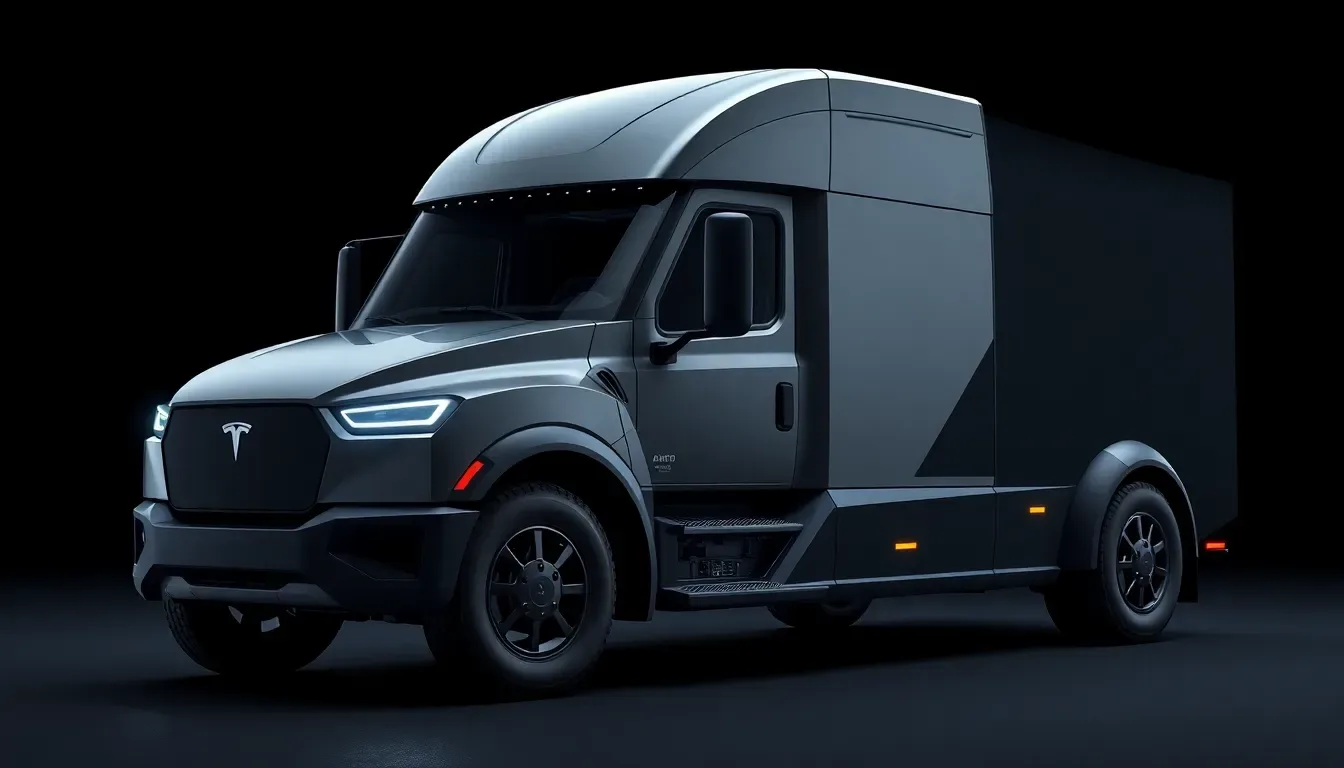
Tesla continues to pave the way in the realm of electric vehicles with its latest advancements, especially with the much-anticipated Cybertruck. As the company rolls out significant updates to its Full Self-Driving (FSD) software, both enthusiasts and industry observers are eager to see how these innovations will enhance the driving experience and overall functionality of this iconic vehicle.
With the Cybertruck’s unique design and capabilities, it has generated significant interest not only among potential owners but also within various industries looking to incorporate its technology. Let’s dive into the recent updates surrounding the Cybertruck, its integration into operational fleets, and future developments that may reshape Tesla’s offerings.
Wide rollout of Full Self-Driving v14 to Cybertruck owners
Tesla has officially commenced the broad rollout of Full Self-Driving (Supervised) v14, specifically tailored for the Cybertruck. This rollout follows a prior release to other Tesla vehicles, which began about a month earlier. On a recent Monday, Tesla announced the deployment of version 14.1.5 for Cybertruck owners, marking the first significant FSD update for this all-electric pickup.
Cybertruck owners, who have eagerly awaited this update, are now experiencing the new features that enhance the vehicle’s functionality. Feedback from the community indicates that many are downloading Software Update 2025.38.8.5, which includes the much-anticipated FSD v14.1.5. Social media buzz has documented a plethora of excited responses from users who have successfully updated their vehicles:
- Whole Mars Catalog: “Tesla Self-Driving 14.1.5 for Cybertruck rolling out now! Too bad I just left for Austin!”
- Chuck Cook: “Look what I just got on my @cybertruck! FSD v14.1.5”
- Wes: “Can confirm – arrived last night!”
Tesla’s approach to rolling out FSD for the Cybertruck has been notably cautious. The vehicle features an all-wheel steering system that differs from Tesla’s other models, presenting unique challenges for the AI team tasked with calibrating the vehicle’s driving algorithms. Additionally, the Cybertruck’s larger size and different camera placements necessitate extensive adjustments to ensure safety and reliability.
Key features of Full Self-Driving v14.1.5
The update to FSD v14.1.5 includes several enhancements designed to improve user experience and driving safety. The full release notes highlight the innovative features added:
- Arrival Options: Users can now select specific locations for parking, including parking lots, driveways, and curbside.
- Emergency Vehicle Protocol: Enhanced algorithms allow the vehicle to yield for emergency services, such as police and ambulances.
- Navigation Improvements: The update incorporates real-time handling for blocked roads and alternate routes through a vision-based neural network.
- Speed Customization: Users can now tailor the vehicle’s driving style preferences more closely to their personal tastes.
- Obstacle Handling: The update includes improved handling for both static and dynamic road obstacles.
- Fault Management: The system now better manages faults and recovers from degraded operational states for enhanced reliability.
- Visibility Alerts: Alerts for residue build-up on the windshield have been introduced, signaling when maintenance is required.
These features are designed not only to enhance the Cybertruck’s performance but also to ensure a safer driving experience for its users. The ongoing development of FSD reflects Tesla’s commitment to advancing autonomous driving capabilities.
Integration of Cybertruck into SpaceX’s fleet
In an intriguing development, Tesla Cybertrucks have been integrated into SpaceX’s operational fleet at the Starbase facility in Texas. Hundreds of these vehicles were spotted recently, marking a significant step toward replacing traditional gas-powered vehicles previously used for daily operations at the site.
This transition is not only a testament to the Cybertruck’s durability and performance but also highlights the innovative synergy between Tesla and SpaceX. Both companies, led by Elon Musk, have been known for their bold approaches to technology and design. The choice of using the same stainless steel alloy for the Cybertruck as is utilized in SpaceX rockets further exemplifies this connection.
While some analysts view this fleet integration as a necessity due to Tesla’s current struggles with Cybertruck sales, it’s essential to recognize the strategic benefits. SpaceX’s adoption of the Cybertruck aligns with Musk’s vision of creating a cohesive ecosystem among his companies, promoting electric vehicles at every operational level.
First look at the Tesla Cybertruck police cruiser interior
In a noteworthy application of the Cybertruck’s technology, the Las Vegas Metro Police Department has begun incorporating modified Cybertrucks into its fleet. Recently released footage showcases the design and functionality of these police cruisers, highlighting their potential for law enforcement applications.
Donated by billionaires Ben and Felicia Horowitz, the Cybertrucks have been outfitted for police use, featuring a well-designed interior that prioritizes officer safety and functionality. Key features of the police cruiser include:
- A mounted laptop next to the central touchscreen for easy access to information.
- Siren and light controls conveniently located for rapid response.
- Reinforced partitions made of ballistic glass to protect officers from suspects.
These modifications illustrate the versatility of the Cybertruck, allowing it to adapt to various roles, from personal use to law enforcement. The addition of the Cybertruck to the police fleet is a significant move that underscores its innovative design and robust safety features.
Future possibilities: Cyber SUVs and a smaller Cybertruck
Looking ahead, Tesla has hinted at the potential development of a Cyber SUV and a more compact version of the Cybertruck. This revelation comes after years of requests from fans for these types of vehicles.
Currently, Tesla lacks a full-size SUV in its lineup, which could compete effectively with popular models such as the Chevrolet Tahoe and Ford Expedition. The suggestion of both a Cyber SUV and a smaller Cybertruck reflects Tesla’s responsiveness to consumer demand and market trends.
In a recent interview, Tesla’s Chief Designer Franz von Holzhausen acknowledged the consideration of these vehicles, stating:
“Those are definitely things we’ve considered. Wait & see is probably the best way I can answer that. We’re working on so many innovative & fun things.”
This statement aligns with Tesla’s history of teasing new products before their official announcements, often generating excitement among fans and potential buyers. The introduction of a smaller Cybertruck could open up international markets where the current model’s size is a disadvantage.
While there have been regulatory challenges regarding the Cybertruck’s design in certain regions, Tesla’s commitment to adapting its offerings shows a forward-thinking approach that may lead to a successful expansion of its vehicle lineup.
As Tesla continues to evolve its technology and product offerings, the Cybertruck remains at the forefront of innovation within the electric vehicle market. With the recent updates to its FSD capabilities, integration into operational fleets, and potential future models, Tesla is set to maintain its position as a leader in electric mobility.